Concrete Stamps Durability: Lifespan of Tools and Stamped Surfaces
Discover the true lifespan of concrete stamps and stamped surfaces. Learn about sealer degradation, freeze-thaw failure modes, and maintenance costs.
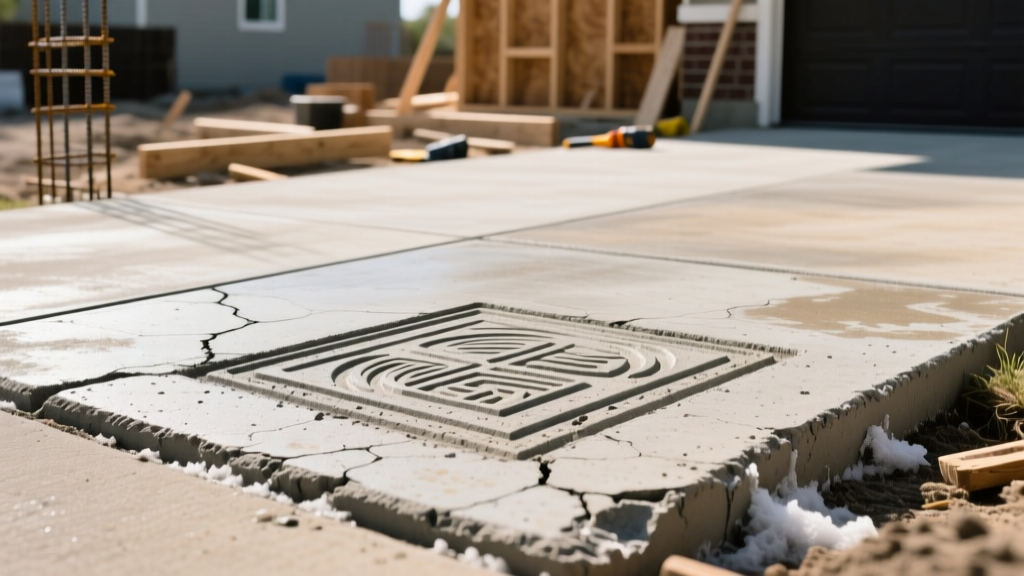
The Dual Lifespan: Polyurethane Tools vs. Finished Surfaces
When contractors and homeowners discuss concrete stamps, the term refers to two distinct entities with vastly different lifespans: the polyurethane stamping mats (the tools) and the resulting stamped concrete surface (the finish). Understanding the durability of both is critical for accurate project budgeting and long-term maintenance planning. A well-poured stamped concrete patio can easily last 25 to 30 years, matching the structural lifespan of standard flatwork. However, the decorative wear layer, color integrity, and the physical stamping tools themselves are subject to entirely different degradation mechanisms.
Quick Lifespan Data Snapshot
- Structural Concrete Base: 25–40 years (dependent on subgrade and mix design)
- Decorative Color/Stamped Texture: 15–25 years (if properly sealed and maintained)
- Acrylic Sealer Coat: 1–3 years before reapplication
- Polyurethane Stamping Mats (Tools): 500–1,000 pours (approx. 5–10 years for active contractors)
Critical Failure Modes of Stamped Concrete Surfaces
The decorative surface of stamped concrete is inherently more vulnerable than a standard broom-finished slab. The stamping process alters the surface chemistry and physical geometry, introducing specific failure modes that dictate the lifespan of the installation.
1. Bleed Water Entrapment and Delamination
The most common cause of early surface failure (flaking or delamination within the first 1–3 years) is improper timing during the stamping process. When concrete is poured, bleed water rises to the surface. If contractors apply the concrete stamps while bleed water is still present, that water is trapped beneath the densified surface layer created by the mat's pressure. As the slab cures and undergoes freeze-thaw cycles, this trapped moisture expands, causing the top 1/8-inch of the stamped surface to sheer off. To prevent this, the surface must be sufficiently dry to support weight without water squeezing out from the edges of the stamp mat.
2. Control Joint Depth and Micro-Cracking
Stamping depresses the surface of the concrete by approximately 1/4 to 1/2 inch, depending on the aggressiveness of the stone or slate pattern. Standard control joints are cut to 25% of the slab depth (usually 1 inch for a 4-inch slab). However, because the stamping process removes surface volume, a standard 1-inch cut effectively becomes a shallower joint relative to the original pour height. According to guidelines from the American Society of Concrete Contractors (ASCC), control joints in stamped concrete must be cut to 1.5 inches deep (measured from the lowest point of the stamped depression) to ensure the slab cracks at the joint rather than randomly across the decorative pattern.
3. Efflorescence and Color Fading
Stamped concrete relies on surface-applied color hardeners or integral pigments. Over time, UV radiation breaks down the chemical bonds in cheaper acrylic sealers, leading to a chalky, faded appearance. Furthermore, if the concrete mix contains high levels of soluble salts and the sealer is non-breathable, moisture vapor attempting to escape the slab will deposit salts on the surface (efflorescence), creating a white, powdery film that obscures the stamped color.
Sealer Degradation: The True Limiting Factor
The lifespan of the stamped aesthetic is entirely dependent on the protective sealer. Without a sealer, the porous textured surface will absorb oil, dirt, and water, degrading the visual appeal within a single season. The Portland Cement Association (PCA) emphasizes that decorative concrete requires a continuous, breathable protective barrier to maintain its lifespan.
| Sealer Type | Expected Lifespan | UV Resistance | 2026 Avg. Cost (Installed) | Breathability |
|---|---|---|---|---|
| Solvent-Based Acrylic | 1–2 Years | Moderate (Yellows over time) | $1.50 – $2.50 / sq ft | High |
| Water-Based Acrylic | 1–3 Years | High (Non-yellowing) | $1.75 – $3.00 / sq ft | Very High |
| Polyurethane (Aliphatic) | 3–5 Years | Excellent | $3.50 – $5.00 / sq ft | Moderate |
| Polyaspartic Polyurea | 7–10+ Years | Superior (100% UV stable) | $6.00 – $9.00 / sq ft | Low (Requires dry slab) |
Decision Framework: For high-traffic commercial applications or driveways exposed to de-icing salts, polyaspartic polyurea is the only viable choice despite the higher upfront cost. For residential patios where the homeowner is willing to perform biennial maintenance, water-based acrylics offer the best balance of breathability and cost, preventing moisture entrapment issues.
Maximizing the Lifespan of Polyurethane Concrete Stamps (The Tools)
The physical concrete stamps—flexible polyurethane mats manufactured by brands like Proline, Butterfield Color, and Matcrete—are significant capital investments, often costing $150 to $350 per mat. A full set for a residential project can exceed $3,000. Their lifespan is dictated not by the mechanical stress of pressing into concrete, but by chemical degradation and improper cleaning.
- Release Agent Management: Stamp mats will bond permanently to curing concrete without a release agent. While liquid release agents are easier to clean, powdered antique release agents provide the secondary color variations essential for realistic stone patterns. If powdered release is allowed to dry and harden in the deep grout lines of the polyurethane mat, contractors often use stiff wire brushes to clean them. This micro-tears the polyurethane, destroying the crisp edges of the mat and reducing its usable life by up to 50%.
- Chemical Cleaning Protocols: Never use harsh solvents like xylene or acetone to clean concrete stamps; these chemicals break down the plasticizers in the polyurethane, causing the mats to become brittle and crack in cold weather. Mats should be washed with mild dish soap, warm water, and a soft-bristle nylon brush immediately after use.
- Storage and UV Protection: Polyurethane is highly susceptible to UV degradation. Storing concrete stamps in the bed of a truck exposed to direct sunlight will cause the material to warp and lose its Shore A hardness rating. Mats must be stored flat in a climate-controlled, dark environment to maintain their 10-year structural integrity.
The 3-5-10 Year Maintenance Framework
To ensure the stamped surface reaches its maximum 25-year structural lifespan, property owners must adhere to a strict maintenance schedule. The Concrete Network recommends proactive resealing rather than waiting for the existing coat to fail completely.
Years 1–3: The Curing and Initial Wear Phase
During the first three years, the slab undergoes its highest degree of shrinkage and settling. Monitor control joints closely. If the initial sealer was a solvent-based acrylic, expect to apply a fresh maintenance coat by month 18. Before applying new sealer, the surface must be cleaned with a low-pressure wash (under 1,500 PSI) to avoid etching the color hardener.
Years 4–7: The Mid-Lifecycle Assessment
At year five, assess the slip resistance of the surface. Stamped concrete, particularly patterns with smooth slate or seamless textures, becomes hazardous when wet as the sealer wears down. If the surface is in a pool deck or high-moisture environment, the sealer must be stripped using a chemical stripper and recoated with a polyurethane sealer mixed with a polymer grit anti-slip additive (typically 100-120 mesh aluminum oxide).
Warning on De-icing Salts: Never use ammonium sulfate or ammonium nitrate-based de-icers on stamped concrete. These chemicals cause an aggressive chemical reaction with the Portland cement paste, leading to severe surface scaling and pitting that will permanently destroy the stamped texture within a single winter. Use only calcium chloride or sand for traction.
Years 8–15: Deep Restoration
By year ten, even high-end polyurethane sealers will begin to show wear patterns in high-traffic corridors. At this stage, a simple topcoat is insufficient. The surface must be chemically stripped to the bare color hardener, neutralized, and resealed. If the secondary color (antique release) has worn away in the grout lines, a tinted sealer or specialized color wash must be applied prior to the final clear topcoat to restore the three-dimensional depth of the concrete stamps.