Average Cost to Build a Chicken Coop: Detailed Material Breakdown
Discover the true cost to build a chicken coop. We break down lumber, hardware, roofing, and labor prices for 4 to 10-bird backyard structures.
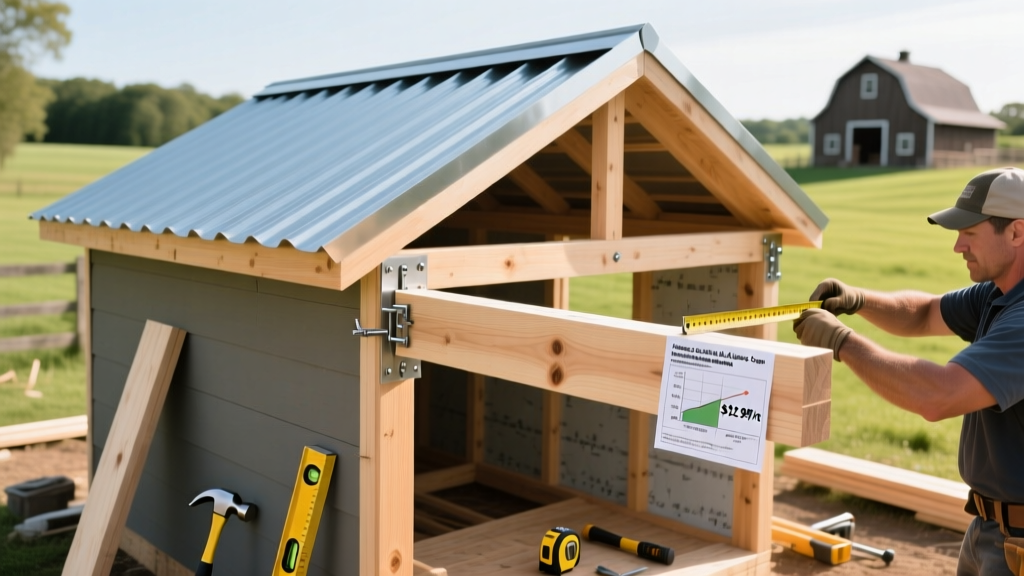
The national average cost to build a chicken coop ranges from $650 to $2,500, with most homeowners spending around $1,200 for a custom-built, predator-proof structure housing 4 to 6 birds. While budget-friendly prefab kits are available for under $300, they frequently fail to withstand local predators and weather extremes, leading to higher replacement costs. Understanding the exact line-item costs for framing, hardware cloth, roofing, and foundation materials is critical for budgeting a structure that will last a decade or more.
Cost Breakdown by Flock Size and Footprint
The primary driver of your total budget is the physical footprint of the coop and the attached run. According to the University of Minnesota Extension, standard welfare guidelines require a minimum of 3 to 4 square feet of interior coop space per bird, alongside 8 to 10 square feet of exterior run space. Undersizing the structure leads to rapid moisture buildup, ammonia accumulation, and flock cannibalism.
| Flock Size | Interior Coop (Sq Ft) | Exterior Run (Sq Ft) | Material Cost (DIY) | Total Cost (Pro Built) |
|---|---|---|---|---|
| 3-4 Birds | 16 sq ft (4x4) | 40 sq ft (4x10) | $500 - $800 | $1,100 - $1,600 |
| 5-6 Birds | 24 sq ft (4x6) | 60 sq ft (6x10) | $750 - $1,100 | $1,500 - $2,200 |
| 7-10 Birds | 40 sq ft (5x8) | 100 sq ft (10x10) | $1,200 - $1,800 | $2,400 - $3,500 |
| 12+ Birds | 60+ sq ft (6x10+) | 150+ sq ft | $2,000 - $3,500+ | $4,000 - $6,000+ |
Line-Item Material Costs: Framing and Exterior
Material selection dictates both the upfront cost and the lifespan of the coop. Moisture management is the biggest threat to backyard coops; chicken respiration and droppings generate massive amounts of humidity.
Lumber and Siding
- Pressure-Treated Pine (Framing): $3.50 to $5.00 per linear foot. Essential for the bottom plates and skids that contact the ground. Never use untreated pine for ground-contact framing, as it will rot within 3 years.
- Rough-Sawn Cedar (Siding): $6.00 to $9.00 per linear foot. Cedar contains natural tannins that resist rot and insect damage without chemical treatments. It is the premium choice for exterior siding.
- T1-11 Plywood Siding: $45 to $65 per 4x8 sheet. A cost-effective alternative to cedar, but requires exterior-grade paint or stain every 2 to 3 years to prevent delamination.
- LP SmartSide: $1.50 to $2.50 per square foot. Engineered wood that resists moisture better than standard plywood, but must be painted to maintain its warranty.
Roofing Materials
The roof must shed water completely and provide adequate overhang (minimum 6 inches) to keep rain out of ventilation openings.
- 29-Gauge Corrugated Metal: $2.50 to $3.50 per square foot. The industry standard for coops. It sheds snow easily, reflects summer heat, and requires zero maintenance. Requires 2x4 purlins spaced 24 inches on center.
- Architectural Asphalt Shingles: $4.00 to $5.50 per square foot (including OSB decking and underlayment). Heavier and requires a steeper pitch (minimum 4:12) to prevent water pooling.
Predator-Proofing: The Hardware Cloth Mandate
According to Penn State Extension, proper predator mitigation requires heavy-duty welded wire. You must budget for 1/2-inch, 19-gauge galvanized hardware cloth.
- Cost: $0.75 to $1.25 per square foot (typically sold in 3-foot or 4-foot wide rolls).
- Installation: Attach using 3/4-inch galvanized poultry staples (U-nails) or exterior-rated washer-head screws placed every 6 inches. Do not rely on standard staples, which predators can pry loose.
- Trenching: Bury the hardware cloth 12 inches deep around the perimeter, or extend it 18 inches outward along the ground (an 'apron') covered by soil to prevent foxes and coyotes from digging under the run.
Prefab Kits vs. Custom Framing: A Decision Matrix
Online marketplaces are flooded with $200 to $400 prefab chicken coops. While the initial cost to build a chicken coop from a kit is low, the hidden costs of repair and predator losses often negate the savings.
| Feature | Prefab Kits ($200 - $500) | Custom Built ($1,000 - $2,500) |
|---|---|---|
| Lumber Quality | Thin, untreated whitewood; prone to warping and rot. | Pressure-treated framing; cedar or engineered siding. |
| Wire Mesh | Flimsy chicken wire; raccoons can reach through and pull birds apart. | 1/2-inch 19-gauge welded hardware cloth. |
| Ventilation | Severely lacking; leads to frostbite in winter and heatstroke in summer. | Custom ridge vents and eave openings (1/5th of wall space). |
| Lifespan | 2 to 4 years before structural failure. | 15+ years with basic maintenance. |
Foundation and Site Preparation Costs
Placing a coop directly on bare soil invites moisture rot, burrowing predators, and a muddy, unsanitary run. Budget for one of the following foundation methods:
- Crushed Gravel Base (Type 2A Limestone): $40 to $60 per ton. Excavate 4 inches of topsoil, lay landscape fabric, and compact the gravel. This provides excellent drainage and deters digging predators. Total cost for a 10x10 run: $150 - $250.
- Concrete Sonotube Piers: $15 to $25 per pier (materials only). Dig below the local frost line, pour concrete, and mount pressure-treated 4x4 skids using galvanized post bases. Ideal for large, heavy coops on sloped terrain. Total cost for 6 piers: $100 - $150.
- Poured Concrete Slab: $6 to $12 per square foot. Overkill for most backyard flocks, but necessary if you plan to hose out the coop interior frequently or live in an area with severe termite pressure.
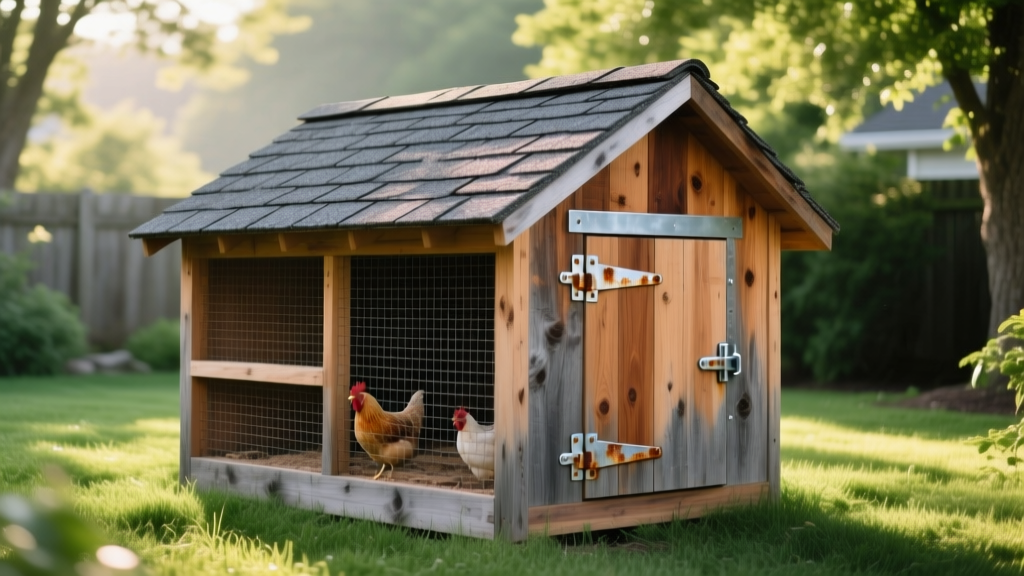
Interior Build-Out and Automation Upgrades
The interior layout impacts both bird health and your daily maintenance time. Budget for these specific interior components:
- Roosting Bars: Use 2x4 lumber with the wide side facing up ($5 per board). This allows chickens to roost flat-footed, covering their toes with their bodies to prevent winter frostbite. Never use round dowels or metal pipes.
- Nesting Boxes: Build 12x12x12-inch boxes using scrap plywood. You need one box for every 3 to 4 hens. Line with pine shavings (not cedar, which can cause respiratory issues).
- Automatic Coop Door: $200 to $350. Models like the Run-Chicken Automatic Door or PulletSHUT use light sensors to open and close the pop door. This upgrade is highly recommended to protect the flock from nocturnal predators if you are not home before dusk.
- Heated Water Base: $40 to $60. Essential in freezing climates to prevent waterers from icing over. Requires running a buried, UV-rated UF-B direct burial electrical cable to the coop ($2.50 per linear foot).
Labor, Permits, and Zoning Considerations
If you are hiring a carpenter or general contractor, expect to pay $65 to $125 per hour for labor. A professional crew of two can typically frame, side, and roof a 4x6 coop in 16 to 24 man-hours, adding $1,200 to $2,500 to the material costs.
Zoning Check: Before purchasing materials, check your municipal code for 'accessory agricultural structures.' Many urban and suburban areas restrict flock sizes (often to 4-6 hens, no roosters) and mandate property line setbacks of 15 to 30 feet for animal enclosures. Some municipalities require a simple $50-$100 zoning permit for structures over 120 square feet.
Ultimately, the cost to build a chicken coop is an investment in food security and pest control. By allocating the majority of your budget toward 19-gauge hardware cloth, pressure-treated ground framing, and proper ventilation, you will construct a facility that pays for itself in egg production and avoided predator losses within the first two years.
Written by
David NakamuraDavid Nakamura is a licensed architect (AIA) and construction technology writer focused on sustainable building methods, mass timber engineering, and high-performance building envelopes. He holds a Master of Architecture from the University of Washington and is a certified Passive House Consultant (CPHC). David spent eight years at the Seattle firm Mithun, where he led the design of three LEED Platinum projects, before founding his own practice specializing in net-zero residential design. He serves on the editorial advisory board of GreenBuilder Magazine and has authored peer-reviewed papers on cross-laminated timber (CLT) connections for the Journal of Structural Engineering. In his spare time, David teaches woodworking at Pratt Fine Arts Center and kayaks the Puget Sound.
More from David Nakamura
View all
Construction Cost
Labor Cost to Build a Deck Per Sq Ft: 2026 Installation Guide
Discover the exact labor cost to build a deck per sq ft in 2026. This installation guide breaks down contractor rates, complexity factors, and hidden fees.
Aug 4, 2026

Construction Cost
How Much Does It Cost to Build a 3 Bedroom House? Financing Guide
Learn exactly how much it costs to build a 3 bedroom house and explore 2026 financing options, construction loan types, and budget frameworks for your build.
Aug 4, 2026

Construction Cost
Cost to Build a Tennis Court: 2026 Guide
How much does it cost to build a tennis court in 2026? Breakdowns for asphalt, concrete, and synthetic surfaces plus fencing and lighting.
Jul 30, 2026