Metal Deck Material Durability: Aluminum vs Steel Lifespan
Compare metal deck material durability and lifespan. Discover how aluminum and steel decking perform against weather, rot, and wear over 50 years.
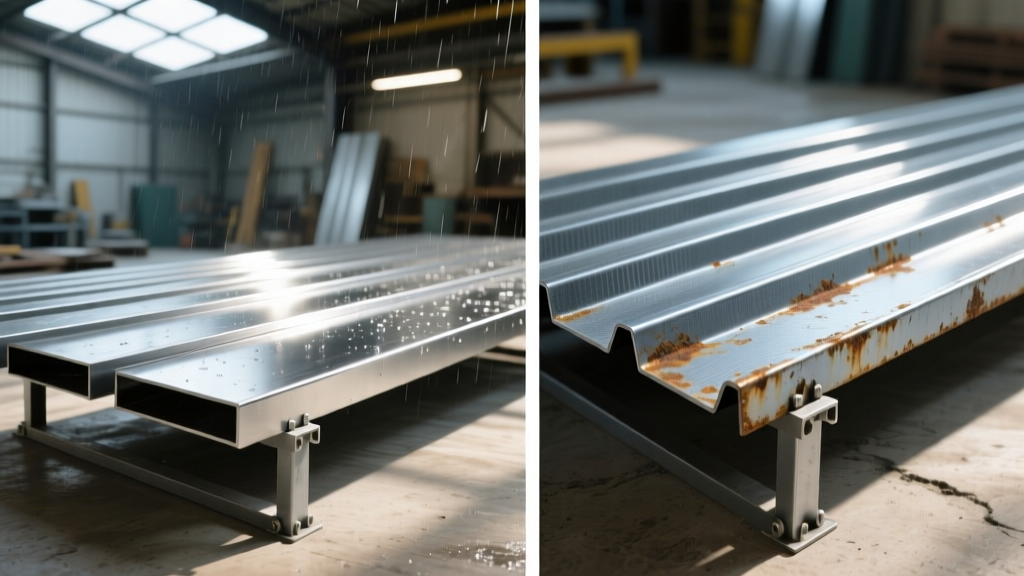
When evaluating outdoor flooring for multi-generational longevity, metal deck material represents the absolute pinnacle of structural endurance. While pressure-treated lumber rots and composite boards succumb to UV degradation and moisture retention, properly engineered metal decking—specifically marine-grade aluminum and galvanized steel—offers a functional lifespan that routinely exceeds half a century. However, the term 'metal decking' encompasses vastly different metallurgical profiles. The durability of your installation depends entirely on alloy composition, surface treatment technologies, and strict adherence to galvanic isolation protocols during construction.
The True Lifespan Expectancy of Metal Alloys
The lifespan of a metal deck is not a single metric; it is a composite of structural integrity and aesthetic retention. Structural failure in metal decking is exceptionally rare when load limits are respected. Aesthetic failure, however, can occur within a decade if the wrong finish is applied.
Aluminum Decking: The 50-Year Standard
Premium aluminum decking is extruded from 6061-T6 or 6063-T5 alloys. The 6061-T6 variant, often classified as marine-grade, boasts a yield strength of approximately 40,000 psi, making it highly resistant to bending under concentrated loads like hot tubs or heavy outdoor kitchen appliances. Because aluminum naturally forms a microscopic layer of aluminum oxide when exposed to oxygen, it is inherently immune to the red-oxide rust that destroys ferrous metals. According to data from the Aluminum Association, structural aluminum used in exterior applications retains its load-bearing capacity indefinitely, effectively giving the structural core an infinite lifespan.
Steel Decking: Heavy-Duty but Vulnerable
Steel decking, typically formed from galvanized or galvalume-coated carbon steel, offers superior sheer strength and lower initial material costs than aluminum. However, its lifespan is strictly tethered to the integrity of its zinc coating. Once the galvanized layer is compromised by a deep scratch, cut edge, or prolonged moisture trap, the underlying carbon steel will oxidize rapidly. While a well-maintained steel deck can last 25 to 35 years, it requires periodic inspections and touch-up applications of cold-galvanizing compounds to prevent subsurface delamination.
The most common cause of premature failure in aluminum metal deck material is galvanic corrosion. When aluminum comes into direct contact with dissimilar metals (like standard zinc-plated screws or untreated steel joist hangers) in the presence of an electrolyte (rainwater or humidity), the aluminum acts as an anode and corrodes rapidly. You must exclusively use Type 305 or Type 316 stainless steel fasteners and isolate aluminum boards from steel framing using neoprene or EPDM rubber gaskets.
Finish Technologies and UV Degradation
The physical metal will outlive the structure it is attached to, but the color finish requires advanced chemical engineering to survive decades of solar radiation. Modern metal deck manufacturers utilize powder coatings or liquid fluoropolymer finishes governed by the American Architectural Manufacturers Association (AAMA). When sourcing metal deck material, you must verify the AAMA rating on the spec sheet:
- AAMA 2603: Standard baked enamel. Suitable for interior use; will chalk and fade within 5-7 years outdoors. Avoid for decking.
- AAMA 2604: High-performance silicone polyester powder coating. Offers a 5-to-10-year warranty against chalking and fading. Acceptable for budget-conscious residential decks.
- AAMA 2605: Superior performance fluoropolymer (PVDF/Kynar) coating. This is the industry gold standard for exterior metal decking, offering 20-year warranties with minimal Delta E (color shift) and chalk resistance. As noted by the Fenestration and Glazing Industry Alliance (AAMA), 2605 coatings are specifically formulated to withstand extreme UV and coastal salt spray.
Lifetime Cost vs. Initial Investment Matrix
Comparing metal deck material to traditional options requires analyzing the lifetime cost of ownership, factoring in replacement cycles, maintenance labor, and chemical treatments over a 50-year horizon.
| Material Type | Initial Cost (per sq. ft.) | Expected Lifespan | 50-Year Replacements | Estimated 50-Yr Cost |
|---|---|---|---|---|
| Pressure-Treated Pine | $15 - $25 | 10 - 15 Years | 3 to 4 | $110 - $180+ |
| Capped Composite | $35 - $60 | 25 - 30 Years | 1 to 2 | $85 - $140 |
| Aluminum (AAMA 2605) | $120 - $180 | 50+ Years | 0 | $120 - $180 |
| Galvanized Steel | $70 - $110 | 25 - 35 Years | 1 | $110 - $170 |
Thermal Dynamics and Structural Movement
A frequently overlooked aspect of metal deck material durability is thermal expansion and contraction. Aluminum has a coefficient of thermal expansion of approximately 0.000013 inches per inch per degree Fahrenheit. While this sounds negligible, a 20-foot aluminum deck board experiencing a 90-degree temperature swing (e.g., from a 20°F winter night to a 110°F summer afternoon in direct sun) will expand and contract by nearly 0.23 inches.
If the decking system utilizes rigid, fixed-fastener installations without accommodating this movement, the boards will buckle, warp, or tear the fastener holes into elongated ovals. Premium metal decking systems, such as those engineered by Wahoo Decks or LockDry, utilize a hidden fastener clip system that locks the board laterally while allowing it to glide longitudinally along the joist. When installing, always leave the manufacturer-specified gap at butt joints and perimeter walls to prevent structural binding.
Installation Protocols for Maximum Longevity
Even the most robust 6061-T6 aluminum extrusion will fail prematurely if the substructure and fastening protocols are ignored. The North American Deck and Balcony Association emphasizes that sub-frame integrity is just as critical as the decking surface. Follow these strict installation parameters:
- Joist Spacing Limits: Unlike rigid wood, hollow-extruded aluminum decking requires tighter joist spacing to prevent deflection. Maintain a maximum 16-inch on-center (O.C.) spacing for standard residential loads, and reduce to 12-inch O.C. for commercial applications or areas supporting concentrated point loads.
- Slope and Drainage: While interlocking metal deck boards are often marketed as 'watertight,' you must still frame the substructure with a minimum 1/8-inch per foot slope away from the primary structure. Standing water beneath the deck on flat joists will accelerate the corrosion of the steel sub-frame and wooden ledger boards.
- Cut Edge Treatment: Whenever you cut an aluminum or galvanized steel board on-site, the exposed raw edge loses its protective coating. Immediately seal all cut edges with a manufacturer-approved, UV-stable polyurethane sealant or cold-galvanizing spray to prevent moisture ingress into the hollow extrusion chambers.
- Slip-Resistance Verification: Bare metal becomes highly slippery when wet or covered in morning dew. Ensure the metal deck material you select features either a ribbed extrusion profile, a baked-in aggregate grip strip, or a specialized textured powder coat. Smooth, untextured metal boards are a severe liability hazard and should never be used in uncovered exterior applications.
Sourcing and Brand Specifications
When procuring metal deck material, bypass generic hardware store options and source directly from specialized architectural extruders. Look for brands that publish their alloy specifications and AAMA coating certifications publicly. Systems that integrate a built-in under-deck drainage channel (catching water between the interlocking board seams and routing it to a gutter) offer dual-layer protection, extending the life of both the metal surface and the underlying wooden joists by keeping the substructure entirely dry.
Written by
Priya KapoorPriya Kapoor is a real estate market analyst and construction economics researcher with expertise in housing affordability, development feasibility, and infrastructure investment. She holds a Master of Regional Planning from Cornell University and previously worked as a senior analyst at CBRE's Investment Properties group, where she modeled returns for $4B in mixed-use development pipelines. Priya now runs an independent research practice advising developers, municipalities, and REITs on construction cost forecasting and market timing. She publishes the quarterly "BuildMat Market Pulse" report tracking material price indices across 12 commodity categories. Based in Austin, TX, Priya serves on the board of Habitat for Humanity Austin and is a marathon runner.
More from Priya Kapoor
View all
Construction Cost
Cost to Build a 1600 Sq Ft Home in 2026: Full Breakdown
Accurate 2026 cost to build a 1600 sq ft home—material, labor, and regional pricing breakdowns included. Plan your budget with real-time estimates.
Aug 11, 2026

Wood & Lumber
Name the Types of Wood for Pressure Treatment and Preservation
Learn how to name the types of wood best suited for pressure treatment. Compare species treatability, chemical retention levels, and 2026 preservation costs.
Aug 4, 2026

Stone & Masonry
Stone Veneer Suppliers Lindenhurst: 2026 Cost Analysis
Analyze 2026 stone veneer costs in Lindenhurst, NY. Compare local supplier pricing, delivery fees, and Suffolk County installation labor rates.
Aug 4, 2026