2026 Roofing Materials Distributor Comparison: Wholesale Portfolios
Compare top roofing materials distributor portfolios for 2026. Analyze wholesale pricing, asphalt, TPO, and metal supply chain logistics.
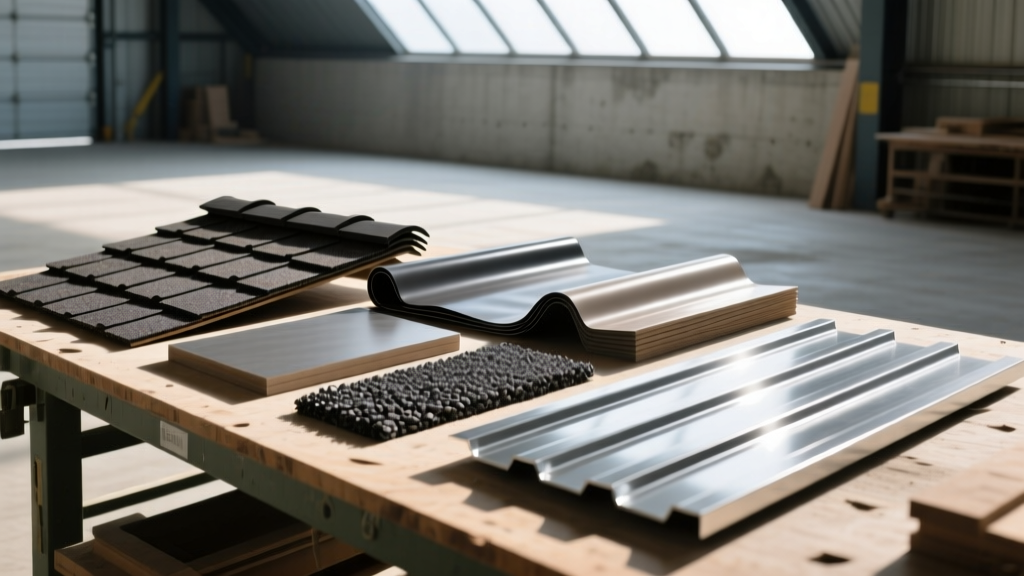
National vs. Regional Distributor Material Matrices
Procuring roofing materials at scale requires navigating a fragmented wholesale landscape. In 2026, the choice of a roofing materials distributor dictates not only your per-square cost but also your access to premium manufacturer warranties, delivery logistics, and specialized fabrication. National giants like ABC Supply and Beacon Building Products offer massive inventory depth, while regional specialists and manufacturer-direct co-ops provide niche material access and localized credit terms.
Before negotiating volume discounts, contractors must align their primary material focus with the distributor's core supply chain strengths. The matrix below outlines the primary portfolio differences among major distributor categories.
| Distributor Type | Primary Material Focus | Key Asphalt Brands Carried | Flat Roof / Single-Ply Brands | Delivery Fleet Standard |
|---|---|---|---|---|
| National Mega-Distributor (e.g., ABC, Beacon) | Residential Asphalt & Light Commercial | GAF, Owens Corning, CertainTeed, Malarkey | Carlisle, Holcim, Johns Manville, GAF TPO | Knuckle-boom trucks, Moffett forklifts |
| Commercial Specialist (e.g., SRS, Bradco) | TPO, EPDM, PVC, Polyiso Insulation | Limited (Specialty/Heavy-duty only) | Firestone/Holcim, Carlisle, FiberTite | Flatbeds with crane, specialized rigging |
| Metal & Architectural Co-Op | Standing Seam, Metal Shingles, Coil | None | None | A-frame trailers, enclosed box trucks |
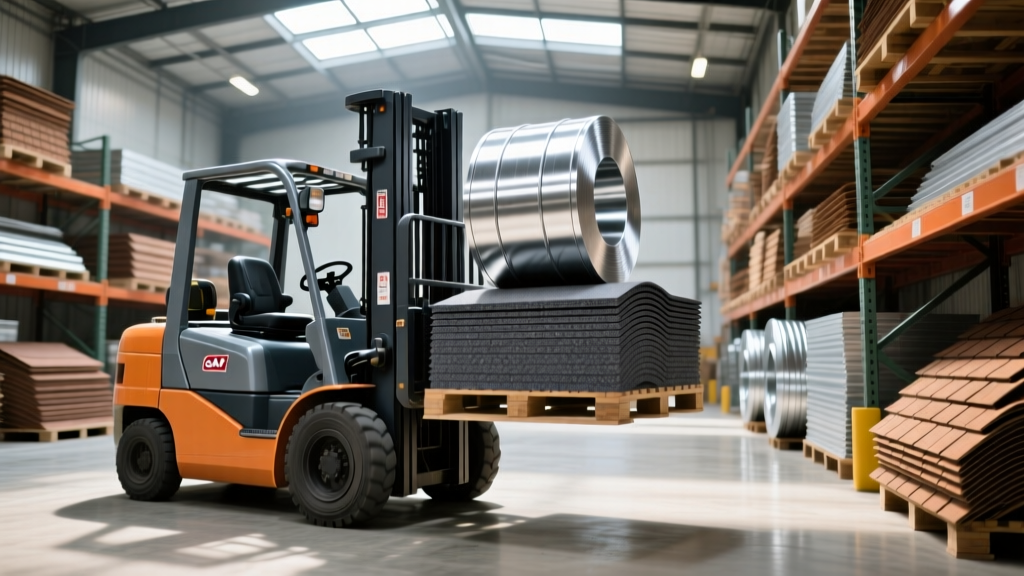
Asphalt Shingle Wholesale Availability & Tier Restrictions
When sourcing architectural and luxury asphalt shingles, distributor inventory is heavily gated by manufacturer contractor tiers. For example, purchasing GAF Timberline UHDZ or Owens Corning Duration Flex at the lowest wholesale tier requires holding Master Elite or Platinum status, which mandates purchasing through specifically authorized roofing materials distributor branches.
Pallet Configurations and Breakage Allowances
Wholesale pricing is rarely just about the per-bundle cost; it is heavily influenced by pallet configurations and distributor breakage policies. In 2026, standard architectural shingles like the CertainTeed Landmark series are typically palletized at 21 bundles per pallet (covering roughly 7 squares). National distributors generally enforce a strict "no-break-pallet" policy for baseline wholesale pricing, meaning ordering 18 bundles will trigger a broken-pallet surcharge of $75 to $120. Regional distributors with smaller yards may offer broken-pallet flexibility but usually operate with a 4% to 8% higher baseline cost per square.
Furthermore, according to the National Roofing Contractors Association (NRCA), improper handling during offloading is a leading cause of latent shingle damage. Distributors utilizing articulating knuckle-boom trucks with specialized shingle forks reduce pallet crushing by up to 40% compared to standard Moffett forklifts navigating uneven job sites.
Commercial Flat Roofing: Single-Ply Fabrication Capabilities
For commercial low-slope applications, the value of a roofing materials distributor extends far beyond warehousing rolls of membrane. The most critical differentiator in 2026 is in-house CNC fabrication for TPO and EPDM systems.
Custom Cutting vs. Raw Roll Procurement
Distributors equipped with automated factory-sequencing machines can pre-cut Carlisle Sure-Weld or Holcim UltraPly TPO membranes to exact roof dimensions. This service, often billed at a nominal premium of $0.02 to $0.04 per square foot, reduces on-site seam welding by up to 30% and cuts membrane waste from the standard 10% down to 3%. When comparing distributors, always audit their fabrication turnaround times; top-tier commercial distributors guarantee 48-hour fabrication for 60-mil and 80-mil TPO, whereas lower-tier suppliers may outsource this to the manufacturer, adding 7 to 10 days to the lead time.
Polyiso insulation procurement is another major variable. With R-value requirements continuously tightening under the IECC, distributors stock varying thicknesses of HD (high-density) cover boards. A specialized commercial distributor will stock 1/2-inch and 5/8-inch Securoc or DensDeck prime on-site, whereas generalist distributors often require special ordering, delaying project mobilization.
Purchasing single-ply membranes or premium asphalt from unauthorized liquidators or "gray market" online wholesalers will instantly void the manufacturer's NDL (No Dollar Limit) warranty. Manufacturers like Johns Manville and Firestone actively track batch numbers. If a membrane failure occurs and the batch number traces back to an unauthorized roofing materials distributor, the contractor assumes 100% liability for the replacement. Always verify distributor authorization via the manufacturer's official portal before issuing a purchase order.
Metal Roofing Coil and Panel Supply Chain Specializations
Metal roofing requires an entirely different supply chain architecture. While national distributors carry standard corrugated and R-panel profiles in 29-gauge and 26-gauge Galvalume, they rarely support the architectural standing seam market effectively.
For 24-gauge and 22-gauge standing seam panels requiring PVDF (Kynar 500) resin coatings, contractors must rely on specialized metal coil distributors or local roll-forming co-ops. These specialized distributors offer:
- Coil Slitting Services: Converting 48-inch master coils down to 12-inch, 16-inch, or 18-inch widths required for specific portable roll-forming machines (e.g., Schlebach or New Tech Machinery).
- Protective Interleaving: Applying strippable films to prevent micro-scratching on high-gloss and metallic finishes during transit.
- Color Matching Guarantees: Ensuring all coils for a single project originate from the same paint batch to prevent delta-E color variance under direct sunlight.
Industry data published by Roofing Contractor Magazine highlights that metal supply chain delays are most frequently caused by coating shortages rather than raw steel scarcity. Specialized distributors with direct mill accounts can secure 24-gauge Kynar inventory with 3-week lead times, compared to 8 to 12 weeks through generalist building supply chains.
Decision Framework: Matching Material to Distributor Type
Use the following operational framework to select the correct roofing materials distributor for your specific project pipeline:
- High-Volume Residential Asphalt (50+ squares per week): Partner with a National Mega-Distributor. Negotiate a tiered rebate program based on quarterly volume. Require dedicated knuckle-boom delivery routes to ensure morning offloading before crew arrival.
- Custom Architectural Metal (Standing Seam, Zinc, Copper): Bypass generalists entirely. Contract with a specialized metal coil distributor that offers on-site slitting and batch-matching guarantees. Verify they stock strippable protective films for all PVDF coated coils.
- Commercial TPO/PVC with Complex Geometry: Select a Commercial Specialist distributor with verified in-house CNC fabrication. Request sample cut-sheets to verify seam allowance precision (standard is 3-inch overlap allowance on all perimeter cuts).
- Historic or Specialty Tile (Slate, Clay, Concrete): Utilize regional boutique distributors. National chains rarely carry the structural decking reinforcement or specialized copper flashing required for heavy-tile systems, nor do they provide the localized engineering load-calculations required for permitting.
Optimizing your procurement strategy requires treating your distributor as a logistical partner rather than a simple vendor. By aligning your primary material output with the distributor's specific supply chain strengths, you eliminate hidden surcharges, reduce job-site waste, and secure the manufacturer warranties that protect your bottom line.
Written by
David NakamuraDavid Nakamura is a licensed architect (AIA) and construction technology writer focused on sustainable building methods, mass timber engineering, and high-performance building envelopes. He holds a Master of Architecture from the University of Washington and is a certified Passive House Consultant (CPHC). David spent eight years at the Seattle firm Mithun, where he led the design of three LEED Platinum projects, before founding his own practice specializing in net-zero residential design. He serves on the editorial advisory board of GreenBuilder Magazine and has authored peer-reviewed papers on cross-laminated timber (CLT) connections for the Journal of Structural Engineering. In his spare time, David teaches woodworking at Pratt Fine Arts Center and kayaks the Puget Sound.
More from David Nakamura
View all
Construction Cost
Labor Cost to Build a Deck Per Sq Ft: 2026 Installation Guide
Discover the exact labor cost to build a deck per sq ft in 2026. This installation guide breaks down contractor rates, complexity factors, and hidden fees.
Aug 4, 2026

Construction Cost
How Much Does It Cost to Build a 3 Bedroom House? Financing Guide
Learn exactly how much it costs to build a 3 bedroom house and explore 2026 financing options, construction loan types, and budget frameworks for your build.
Aug 4, 2026

Construction Cost
Cost to Build a Tennis Court: 2026 Guide
How much does it cost to build a tennis court in 2026? Breakdowns for asphalt, concrete, and synthetic surfaces plus fencing and lighting.
Jul 30, 2026