Fire Resistant Clothing Material Cost Breakdown 2026
Analyze the true cost of fire resistant clothing material for 2026. Compare Nomex, PBI, and modacrylic pricing, lifecycle TCO, and NFPA compliance.
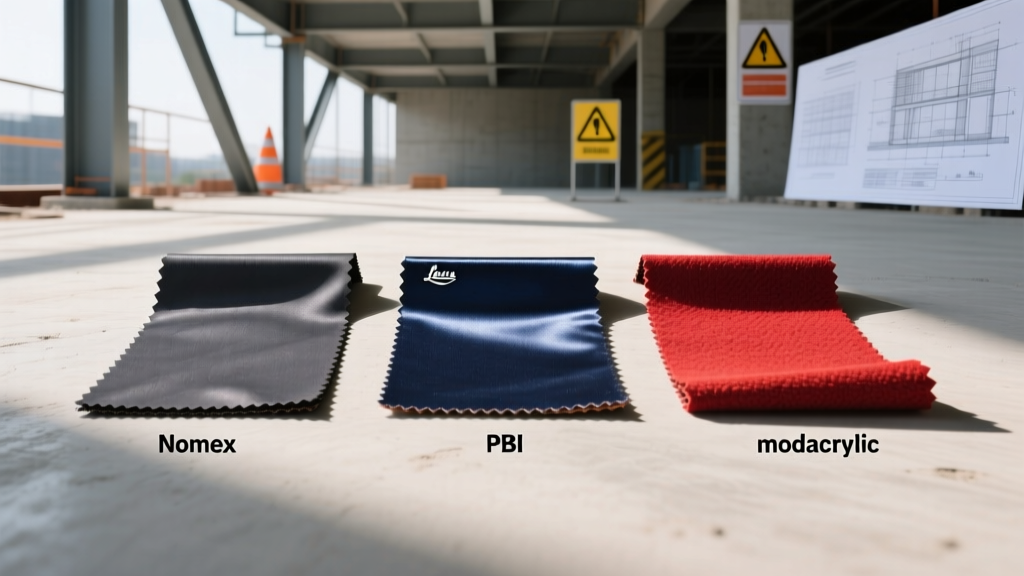
The True Cost of Fire Resistant Clothing Material for Site Crews
Procuring personal protective equipment (PPE) for construction, welding, and electrical crews requires balancing upfront budgets against long-term safety liabilities. When evaluating fire resistant clothing material, the initial price per yard or per garment is only a fraction of the actual financial impact. In 2026, supply chain stabilization has normalized the cost of advanced aramids and modacrylics, but the gap between inherent flame-resistant (FR) fabrics and chemically treated alternatives continues to dictate total cost of ownership (TCO). For safety directors and procurement managers, understanding the precise cost drivers, lifecycle degradation, and compliance thresholds of FR textiles is critical to avoiding catastrophic site failures and severe regulatory fines.
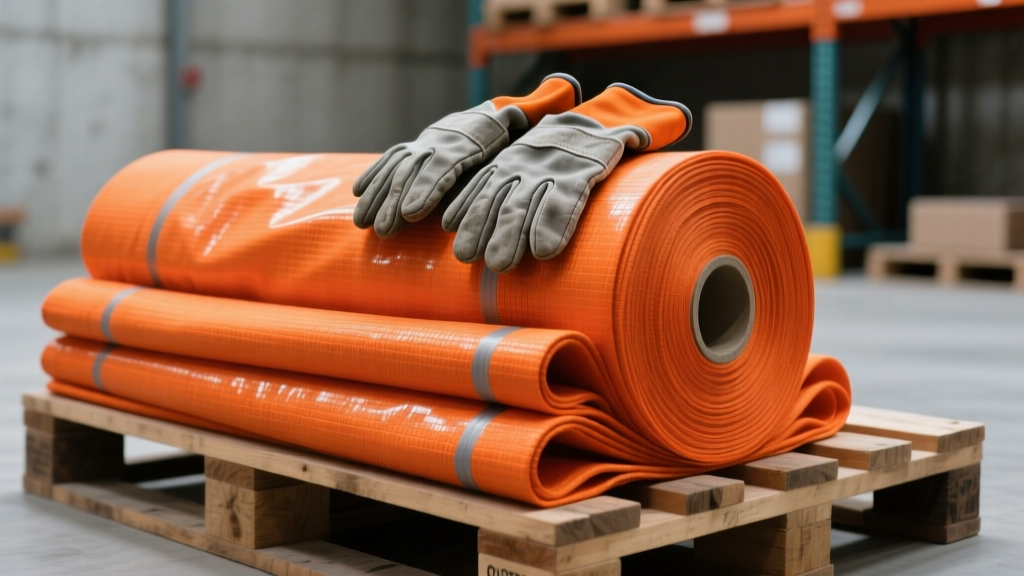
Inherent vs. Treated FR Fabrics: A Cost & Lifecycle Matrix
The most fundamental cost decision in FR workwear is choosing between inherent FR fibers (where the molecular structure of the polymer is naturally flame-resistant) and treated FR fabrics (where standard cotton or synthetic blends are chemically treated post-manufacturing). The table below outlines the core financial and performance differences between these two categories.
| Material Category | Examples | Avg. Cost (Per Yard) | Wash Durability | ATPV Rating Range | Primary Cost Driver |
|---|---|---|---|---|---|
| Inherent FR | Nomex, Kevlar, PBI, Modacrylic | $14.00 - $90.00 | Life of garment | 4.0 - 40+ cal/cm² | Advanced polymer extrusion |
| Treated FR | Proban Cotton, Pyrovatex | $8.00 - $16.00 | 50 - 100 washes | 5.0 - 12 cal/cm² | Chemical immersion process |
Material Breakdown: Price Per Yard and Performance Metrics
To build an accurate procurement budget, you must evaluate specific fire resistant clothing material options based on their exact weight, thermal performance, and market pricing. Below is a deep dive into the four dominant textiles used in heavy construction and industrial PPE.
DuPont™ Nomex® (Meta-Aramid)
Nomex remains the industry baseline for high-heat environments. It does not melt, drip, or support combustion in the air. When exposed to flash fire, the fiber thickens and carbonizes, creating an insulating barrier between the heat source and the skin.
- 2026 Market Price: $22.00 - $34.00 per yard (depending on weight and distributor volume).
- Standard Weights: 4.5 oz/yd² (shirts) to 7.5 oz/yd² (coveralls).
- ATPV (Arc Thermal Performance Value): Typically 4.0 to 11.0 cal/cm² for standard single-layer weaves.
- Edge Case: Nomex is susceptible to UV degradation. If your crew works primarily outdoors in direct sunlight for 12+ hours a day, the fabric will fade and lose tensile strength over 18 months, though its FR properties remain intact.
PBI (Polybenzimidazole)
PBI is the premium tier of fire resistant clothing material, frequently blended with Kevlar or Nomex to create outer shells for proximity firefighting and high-risk petrochemical work. It boasts the highest thermal stability of any commercial textile.
- 2026 Market Price: $55.00 - $95.00 per yard.
- Standard Weights: 5.5 oz/yd² to 7.0 oz/yd².
- ATPV Rating: 9.0 to 15+ cal/cm² in single layers; significantly higher in layered systems.
- Procurement Reality: PBI is rarely used for standard daily construction wear due to its high capital cost. It is reserved for specialized hazard task forces and confined-space rescue teams where the thermal threshold exceeds standard aramid limits.
Modacrylic Blends (e.g., TenCate Protex®)
Modacrylic fibers offer a cotton-like hand feel while maintaining inherent FR properties. They are heavily utilized in base layers, underwear, and lightweight summer work shirts where breathability and moisture-wicking are paramount.
- 2026 Market Price: $14.00 - $24.00 per yard.
- Standard Weights: 3.5 oz/yd² to 6.0 oz/yd².
- ATPV Rating: 4.0 to 8.0 cal/cm².
- Limitation: Modacrylics have a lower melting point than aramids. While they will not ignite, they can melt if exposed to direct, sustained contact with molten metal splash (e.g., heavy welding). They must be blended with high-tenacity fibers for structural integrity in extreme heat.
Treated FR Cotton (Proban® / Pyrovatex®)
Chemically treated cotton is the most affordable fire resistant clothing material upfront. The cotton is impregnated with a phosphorus-based chemical that interrupts the combustion cycle.
- 2026 Market Price: $8.00 - $16.00 per yard.
- Standard Weights: 7.0 oz/yd² to 12.0 oz/yd² (treated cotton is inherently heavier and stiffer).
- ATPV Rating: 8.0 to 14.0 cal/cm² (high ATPV due to fabric mass, not fiber technology).
Treated FR cotton loses its flame-resistant properties when washed with chlorine bleach, hydrogen peroxide, or hard water containing high levels of calcium and magnesium. If your site relies on industrial laundering services that utilize aggressive oxidizing agents to remove heavy construction grease, the FR coating will strip prematurely, leaving your crew in standard, highly flammable cotton without visible warning.
Calculating the Total Cost of Ownership (TCO) for FR Workwear
To justify the premium of inherent FR materials to financial stakeholders, you must model the TCO over a standard 36-month deployment cycle. Let us compare outfitting a 50-person electrical and welding crew with two sets of coveralls each.
Scenario A: Treated FR Cotton Coveralls
- Garment Cost: $85.00 each.
- Initial Outlay (100 garments): $8,500.
- Lifecycle: Due to industrial wash degradation and heavy fabric wear, treated cotton coveralls must be retired and replaced every 9 months to maintain NFPA compliance.
- 36-Month Replacements: 3 replacement cycles (300 garments total).
- Total 3-Year Cost: $34,000.
Scenario B: Inherent Nomex/Aramid Blend Coveralls
- Garment Cost: $175.00 each.
- Initial Outlay (100 garments): $17,500.
- Lifecycle: Inherent FR fabrics easily withstand 150+ industrial washes without losing thermal protection. Garments are retired only due to physical tearing or severe soiling, averaging a 30-month lifespan.
- 36-Month Replacements: 1 partial replacement cycle at month 30 (approx. 40 garments).
- Total 3-Year Cost: $24,500.
The Verdict: Despite costing more than double upfront, the inherent fire resistant clothing material yields a 27.9% savings over three years, while drastically reducing the administrative burden of tracking wash cycles and compliance testing.
NFPA and ASTM Compliance: Where Cutting Costs Becomes a Liability
Selecting a material based solely on the lowest invoice price exposes the firm to severe regulatory and legal risks. In the United States, FR workwear procurement is governed by strict consensus standards.
For flash fire hazards (common in petrochemical construction, pipeline welding, and confined space tasks), garments must meet NFPA 2112: Standard on Flame-Resistant Garments for Protection of Industrial Personnel Against Short-Duration Thermal Exposures from Fire. This standard requires rigorous thermal shrinkage testing; if a cheap treated fabric shrinks more than 10% during a 3-second flash fire simulation, it fails, as the shrinking garment will transfer heat directly to the worker's skin.
For electrical construction and arc flash hazards, procurement must align with NFPA 70E: Standard for Electrical Safety in the Workplace. This requires matching the garment's ATPV rating to the specific incident energy level of the equipment being serviced. Furthermore, OSHA 1910.269 legally mandates that employers provide FR clothing to workers exposed to flames or electric arcs, and explicitly prohibits clothing that could melt onto the skin (ruling out standard polyester or nylon blends, even if worn under an FR outer layer).
Procurement Strategy: Matching Fabric to Site Hazard
Use this decision framework to specify the correct fire resistant clothing material for your next site mobilization:
- Choose Modacrylic Blends if: The primary hazard is low-level arc flash (Category 1 or 2), the work is performed in high-heat/humid outdoor environments, and worker comfort/compliance is a major hurdle. The softer drape increases the likelihood that workers will actually wear the PPE correctly.
- Choose Nomex/Aramid Blends if: You require a durable, all-around workhorse for general construction, welding, and electrical tasks. It offers the best balance of lifecycle cost, physical durability, and broad-spectrum thermal protection.
- Choose PBI Blends if: Your crew is engaged in high-risk proximity work, specialized rescue, or environments where the incident energy exceeds 40 cal/cm², and budget is secondary to maximum survivability.
- Choose Treated FR Cotton ONLY if: The PPE is intended for short-term, single-use, or highly specialized dirty tasks (e.g., asbestos abatement alongside fire risks, or heavy grease environments) where the garment will be discarded or destroyed long before the chemical treatment washes out.
Ultimately, the cost of fire resistant clothing material should never be evaluated in a vacuum. By aligning the molecular properties of the fabric with the specific thermal hazards of your job site, and modeling the replacement cycles accurately, you transform PPE from a grudging expense into a highly optimized component of your site's risk management strategy.
Written by
Priya KapoorPriya Kapoor is a real estate market analyst and construction economics researcher with expertise in housing affordability, development feasibility, and infrastructure investment. She holds a Master of Regional Planning from Cornell University and previously worked as a senior analyst at CBRE's Investment Properties group, where she modeled returns for $4B in mixed-use development pipelines. Priya now runs an independent research practice advising developers, municipalities, and REITs on construction cost forecasting and market timing. She publishes the quarterly "BuildMat Market Pulse" report tracking material price indices across 12 commodity categories. Based in Austin, TX, Priya serves on the board of Habitat for Humanity Austin and is a marathon runner.
More from Priya Kapoor
View all
Construction Cost
Cost to Build a 1600 Sq Ft Home in 2026: Full Breakdown
Accurate 2026 cost to build a 1600 sq ft home—material, labor, and regional pricing breakdowns included. Plan your budget with real-time estimates.
Aug 11, 2026

Wood & Lumber
Name the Types of Wood for Pressure Treatment and Preservation
Learn how to name the types of wood best suited for pressure treatment. Compare species treatability, chemical retention levels, and 2026 preservation costs.
Aug 4, 2026

Stone & Masonry
Stone Veneer Suppliers Lindenhurst: 2026 Cost Analysis
Analyze 2026 stone veneer costs in Lindenhurst, NY. Compare local supplier pricing, delivery fees, and Suffolk County installation labor rates.
Aug 4, 2026