Using Glass as a Building Material for Maximum Energy Efficiency
Discover how to specify glass as a building material for peak energy efficiency. Compare U-values, SHGC ratings, and low-E coatings for modern builds.
The Thermal Performance Matrix: U-Factor vs. SHGC
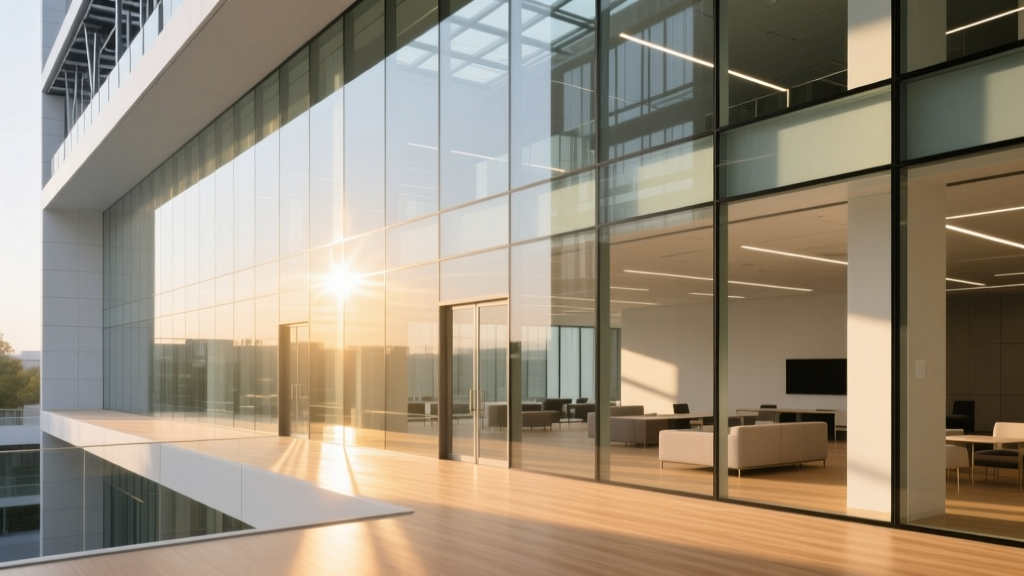
Specifying glass as a building material requires balancing two competing thermal metrics: the U-factor (rate of heat loss) and the Solar Heat Gain Coefficient (SHGC). While early architectural glass prioritized visible light transmittance (VLT) and aesthetics, modern energy codes demand rigorous thermal resistance. According to the U.S. Department of Energy, windows and glazed facades account for 25% to 30% of residential and commercial heating and cooling energy use. Optimizing these metrics is no longer optional; it is the baseline for net-zero and high-performance building envelopes.
The National Fenestration Rating Council (NFRC) provides the standardized testing framework for these metrics. When evaluating products, always require NFRC-certified labels rather than relying on manufacturer center-of-glass values, which artificially inflate performance by ignoring edge-of-glass and framing thermal bridges. For a comprehensive breakdown of testing methodologies, refer to the NFRC Energy Performance Ratings database.
| Glazing Configuration | U-Factor (W/m²K) | SHGC Range | Approx. Cost (USD/sq ft) | Optimal Climate Application |
|---|---|---|---|---|
| Single Pane (Clear) | 5.70 - 6.20 | 0.75 - 0.85 | $10 - $15 | Unconditioned spaces only |
| Double Pane Low-E (Argon) | 1.40 - 1.70 | 0.25 - 0.45 | $18 - $28 | Mixed climates (IECC Zones 4-5) |
| Triple Pane Low-E (Krypton) | 0.85 - 1.10 | 0.15 - 0.35 | $35 - $50 | Cold/Alpine (IECC Zones 6-8) |
| Vacuum Insulated Glass (VIG) | 0.40 - 0.70 | 0.30 - 0.50 | $80 - $120 | Historic retrofits, ultra-thin profiles |
| Electrochromic Smart Glass | 1.10 - 1.50 | 0.05 - 0.40 (Dynamic) | $95 - $145 | High-solar commercial facades |
Gas Fills and Warm-Edge Spacer Technologies
The airspace between glass lites is the primary insulating barrier in an Insulated Glass Unit (IGU). Replacing standard air with heavy inert gases reduces convective heat transfer within the cavity. Argon gas is the industry standard for double-pane units, offering a 67% thermal conductivity rate compared to air and costing only marginally more. However, for triple-pane units where cavity widths are reduced to maintain overall unit thickness, Krypton gas is required. Krypton performs optimally in narrower gaps (8mm to 10mm) but carries a 300% to 400% price premium over argon.
Equally critical is the spacer system separating the glass panes. Traditional aluminum box spacers act as massive thermal bridges, causing edge-of-glass condensation and inflating the overall U-factor. Modern high-performance IGUs utilize warm-edge spacers made from structural silicone foam, stainless steel, or thermoplastic composites. Upgrading from an aluminum spacer to a stainless-steel warm-edge spacer can improve the overall IGU U-factor by up to 0.05 W/m²K and raise the interior edge temperature by 4°F to 6°F, drastically reducing condensation risk in high-humidity environments.
Advanced Coatings: Beyond Standard Low-E
Low-emissivity (Low-E) coatings are microscopically thin metallic layers that reflect long-wave infrared heat while allowing short-wave visible light to pass. In 2026, the market is dominated by magnetron sputter vacuum deposition (MSVD) soft-coat Low-E, which offers superior thermal performance over pyrolytic hard-coat options.
• Heating-Dominated (Northern): Specify passive Low-E (high SHGC 0.40+) to capture free solar heat. Position the coating on the #3 surface (inner pane, cavity side).
• Cooling-Dominated (Southern): Specify solar control Low-E (low SHGC 0.20 or below) to block solar radiation. Position the coating on the #2 surface (outer pane, cavity side).
• Mixed Climates: Utilize triple-silver Low-E coatings (e.g., Guardian SunGuard SuperNeutral) which provide high VLT (up to 70%) while maintaining a low SHGC (around 0.27), offering the best balance without darkening the interior.
Dynamic and Electrochromic Glazing
For large commercial facades, static coatings are increasingly being replaced by dynamic glazing. Electrochromic glass (such as SageGlass or View Dynamic Glass) uses a low-voltage current to alter the tint of the glass, adjusting the SHGC and VLT in real-time. While the upfront cost is substantial ($95 to $145 per square foot), the Whole Building Design Guide notes that dynamic glazing can reduce perimeter HVAC cooling loads by up to 20%, allowing engineers to downsize chillers and air handling units, offsetting a significant portion of the glazing premium.
Structural Framing and Thermal Breaks
Glass as a building material is only as thermally efficient as the frame holding it. A high-performance triple-pane IGU installed in a standard, non-thermally broken aluminum storefront system will suffer massive thermal bridging, negating the glass's benefits. For aluminum curtain walls and window walls, specify systems with deep thermal breaks. Modern high-performance systems utilize 34mm to 54mm polyamide strut thermal breaks (e.g., Schüco AWS 75 SI+ or YKK AP EW 6500 series) that physically separate the interior and exterior aluminum extrusions.
Alternatively, fiberglass framing offers inherently low thermal conductivity—roughly 1/1000th that of aluminum—without requiring complex thermal break engineering. Fiberglass frames also share a similar coefficient of thermal expansion with glass, reducing seal stress and extending IGU lifespan.
Real-World Edge Cases and Failure Modes
When designing with architectural glass, ignoring edge cases leads to catastrophic field failures. Specifiers must account for the following physical limitations:
- Thermal Stress Cracking: High-absorption solar control Low-E coatings absorb significant solar radiation, heating the center of the glass pane while the edges remain cool (shaded by the frame). This temperature differential creates tensile stress. To prevent spontaneous cracking, specify heat-strengthened or fully tempered glass for any lite with an SHGC below 0.30 or when using dark exterior shading devices.
- Argon Gas Leakage: All IGUs lose their gas fill over time. Industry standard acceptance allows for a 1% loss per year. Ensure the manufacturer uses dual-seal systems (primary PIB seal for gas retention, secondary structural silicone or polyurethane seal for structural integrity) and provides a 10-year minimum warranty against seal failure and fogging.
- Altitude and Pressure Differentials: IGUs manufactured at low altitudes and shipped to high-altitude job sites (above 3,000 feet elevation change) will experience severe outward bowing due to internal pressure expansion. Specify capillary tubes during manufacturing to equalize pressure on-site, or utilize flexible warm-edge spacers that can absorb the deflection without compromising the primary seal.
"The integration of Vacuum Insulated Glass (VIG) in historic retrofits represents a major leap. VIG achieves the thermal performance of a thick triple-pane unit in a profile less than 8mm thick, allowing preservationists to upgrade heritage buildings to modern energy codes without altering the original sightlines."
Lifecycle Cost and HVAC Downsizing ROI
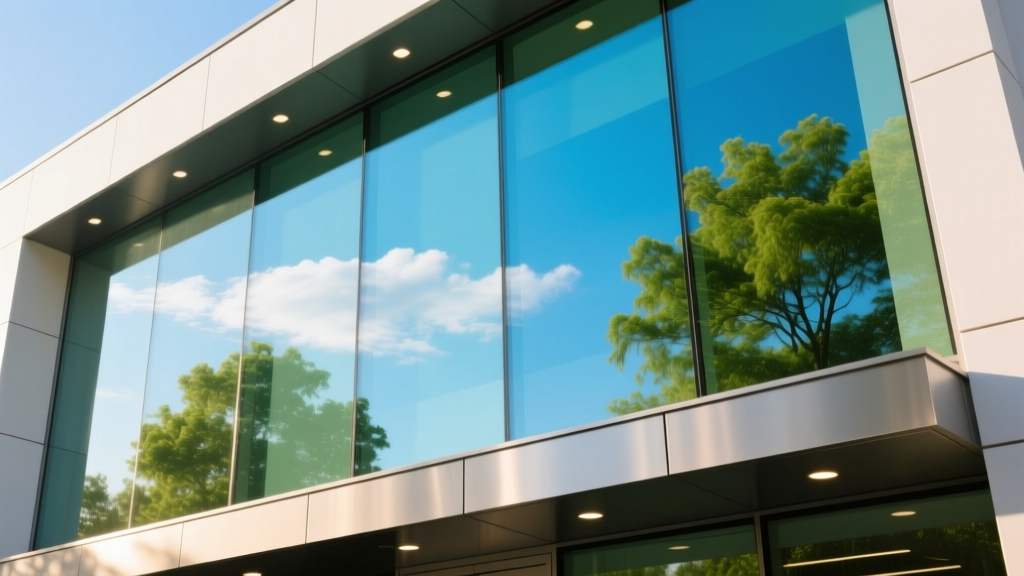
Evaluating glass purely on material cost per square foot is a flawed procurement strategy. The true ROI of high-performance glass is realized in mechanical downsizing and operational energy savings. By specifying triple-pane glass with a 0.20 SHGC on a west-facing commercial facade, the peak cooling load in the perimeter zone can drop by 15 to 25 BTU per square foot. This reduction often allows the mechanical engineer to eliminate perimeter baseboard heaters and reduce the capacity of the central chiller plant. In mid-sized commercial projects, this mechanical savings typically recovers 40% to 60% of the premium paid for upgraded glazing, with the remaining premium achieving payback within 5 to 7 years through reduced utility expenditures.
Written by
David NakamuraDavid Nakamura is a licensed architect (AIA) and construction technology writer focused on sustainable building methods, mass timber engineering, and high-performance building envelopes. He holds a Master of Architecture from the University of Washington and is a certified Passive House Consultant (CPHC). David spent eight years at the Seattle firm Mithun, where he led the design of three LEED Platinum projects, before founding his own practice specializing in net-zero residential design. He serves on the editorial advisory board of GreenBuilder Magazine and has authored peer-reviewed papers on cross-laminated timber (CLT) connections for the Journal of Structural Engineering. In his spare time, David teaches woodworking at Pratt Fine Arts Center and kayaks the Puget Sound.
More from David Nakamura
View all
Construction Cost
Labor Cost to Build a Deck Per Sq Ft: 2026 Installation Guide
Discover the exact labor cost to build a deck per sq ft in 2026. This installation guide breaks down contractor rates, complexity factors, and hidden fees.
Aug 4, 2026

Construction Cost
How Much Does It Cost to Build a 3 Bedroom House? Financing Guide
Learn exactly how much it costs to build a 3 bedroom house and explore 2026 financing options, construction loan types, and budget frameworks for your build.
Aug 4, 2026

Construction Cost
Cost to Build a Tennis Court: 2026 Guide
How much does it cost to build a tennis court in 2026? Breakdowns for asphalt, concrete, and synthetic surfaces plus fencing and lighting.
Jul 30, 2026