Brickyard Building Materials Vacaville CA: Masonry Construction
Master masonry construction using brickyard building materials in Vacaville, CA. Learn seismic code compliance, mortar selection, and local sourcing.
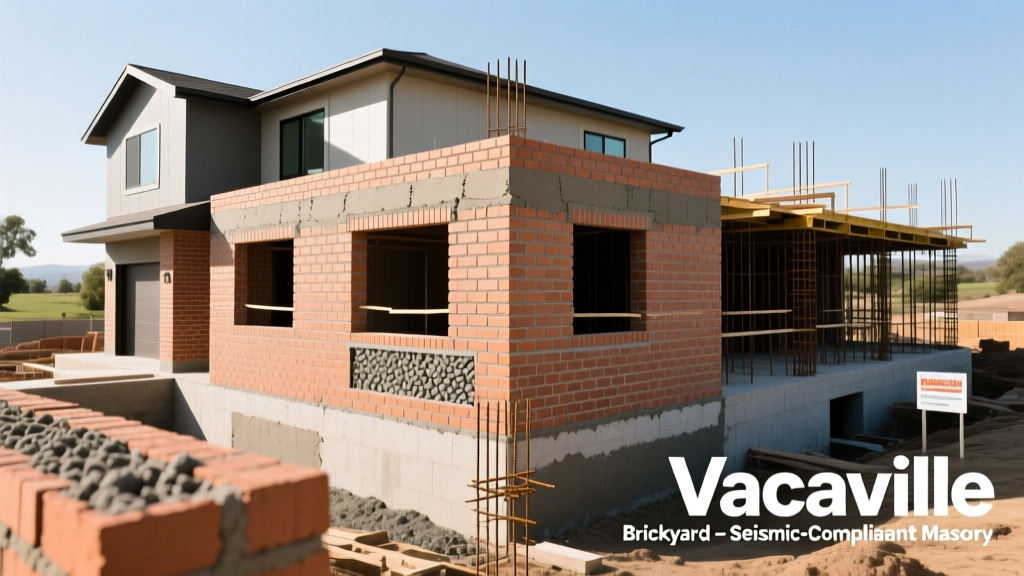
Navigating Local Supply Chains in Solano County
Procuring high-quality masonry supplies in Northern California requires a strategic approach to local inventory, delivery logistics, and regional climate adaptations. When sourcing brickyard building materials, Vacaville, CA contractors and homeowners benefit from proximity to major North Bay distribution hubs. Local yards typically stock a comprehensive range of ASTM-certified clay face bricks, concrete masonry units (CMUs), and specialized veneers. However, simply purchasing the materials is only the first step; executing a structurally sound masonry build in this specific microclimate demands strict adherence to California's rigorous seismic codes and specialized hot-weather construction techniques.
Local suppliers in the Vacaville and Fairfield corridor frequently carry regional favorites like McNear brick and Pine Hall pavers, alongside standard modular clay bricks (nominal 4x8x2-2/3 inches). For structural applications, verifying that the yard's stock meets ASTM C216 (Standard Specification for Facing Brick) or ASTM C62 (Standard Specification for Building Brick) is non-negotiable. Always request the manufacturer's test report from the yard's dispatch office before signing the delivery ticket to ensure the brick's compressive strength and absorption rates align with your engineering plans.
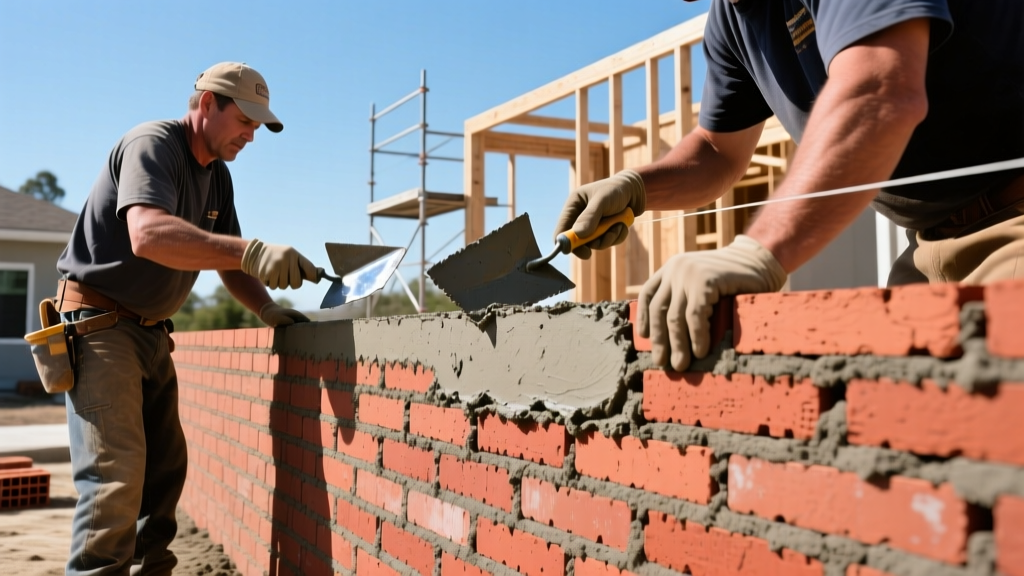
Material Selection Matrix for Northern California Climates
Vacaville experiences a Mediterranean climate characterized by hot, dry summers (frequently exceeding 100°F) and cool, wet winters. This thermal cycling demands materials with high durability and low moisture absorption to prevent spalling and efflorescence. Below is a breakdown of common materials sourced from local brickyards and their optimal applications.
| Material Type | ASTM Standard | Best Local Application | Seismic Suitability |
|---|---|---|---|
| Severe Weather (SW) Clay Brick | ASTM C216 / C62 | Exterior veneers, retaining walls, planters | High (when tied to backup) |
| Loadbearing CMU | ASTM C90 | Structural shear walls, foundation stem walls | Excellent (fully grouted/reinforced) |
| Thin Brick Veneer | ASTM C1088 | Interior accent walls, exterior retrofits | N/A (Non-structural) |
| Concrete Pavers | ASTM C936 | Driveways, patios, pool decks | N/A (Flexible pavement) |
Hot-Weather Masonry Construction Methods
Constructing masonry in Vacaville between June and September introduces severe hydration challenges. When ambient temperatures exceed 90°F, mortar loses its workability rapidly due to high evaporation rates and rapid absorption by the clay units. This leads to poor bond strength, increased shrinkage cracking, and compromised structural integrity. The Brick Industry Association (BIA) outlines strict protocols for hot-weather masonry that local contractors must follow.
Step-by-Step Hot-Weather Protocol
- Material Shading: Store pallets of brick and bags of masonry cement in shaded, well-ventilated areas. Direct sunlight can raise the surface temperature of clay bricks to over 130°F, which will flash-set the mortar upon contact.
- Controlled Wetting: Lightly hose down high-absorption bricks (initial rate of absorption > 30 g/30 sq in) the evening before laying. Do not soak them on the day of installation; the surface must be damp, not saturated, to prevent the brick from floating on the mortar bed.
- Mortar Retarders: Use ASTM C1384-compliant retarders or extended-board-life admixtures. Avoid using sugar or unauthorized household chemicals, which can unpredictably alter the compressive strength and cause severe efflorescence.
- Batch Sizing: Mix mortar in smaller batches that can be consumed within 45 minutes. Once the mortar begins to lose its plasticity (thumbprint hard), discard it. Never re-temper mortar that has exceeded its initial set window.
Reinforced Masonry and Seismic Detailing
Because Solano County is situated near the active fault systems of the Bay Area, the California Building Standards Commission (CBSC) mandates rigorous reinforcement for structural masonry. When building reinforced brick or CMU walls, the integration of steel and grout is what provides the necessary ductility to absorb seismic energy.
When pouring grout into reinforced masonry cells, limit your grout lifts to a maximum of 5 feet (or 8 feet if using an approved vibratory consolidation method and inspection port). Pouring higher risks honeycombing and void spaces at the base of the wall, which will fail ultrasonic or radiographic non-destructive testing (NDT) during municipal inspections.
For residential shear walls, standard detailing requires vertical #4 or #5 Grade 60 rebar spaced at a maximum of 48 inches on center, and horizontal joint reinforcement (such as Dur-O-Wall Type T) placed every two courses. The Masonry Society's TMS 402/602 Building Code Requirements dictate that all vertical rebar must be securely tied to foundation dowels before the first course is laid. Use Type S mortar for all structural bed and head joints, as it offers higher tensile bond strength than Type N, which is critical for resisting lateral seismic loads.
Logistics and 2026 Cost Estimates for the North Bay
Budgeting a masonry project requires accounting for both material costs at the yard and the premium labor rates in the North Bay Area. When ordering brickyard building materials in Vacaville, CA, factor in delivery fees, which typically range from $150 to $350 per flatbed load depending on the exact distance from the distribution yard and the requirement for boom-truck offloading.
- Face Brick Materials: $0.85 to $1.60 per unit for standard modular clay face brick. Premium, hand-molded, or tumbled varieties range from $2.50 to $4.00+ per unit.
- Type S Masonry Cement: $14.00 to $18.00 per 80 lb bag (yields approximately 1.25 cubic feet of mixed mortar).
- Core Grout (Fine/Coarse): $12.00 to $16.00 per 80 lb bag, or $140-$180 per cubic yard for ready-mix delivery on larger commercial sites.
- North Bay Masonry Labor: Expect prevailing commercial and high-end residential masonry labor rates to sit between $95 and $145 per hour per mason in 2026, with a standard crew productivity rate of 300 to 500 modular bricks laid per 8-hour day, depending on complexity and reinforcement requirements.
Preventing Efflorescence in Wet Winters
While summer heat threatens mortar hydration, Vacaville's winter rains threaten the aesthetic integrity of the brick through efflorescence—the white, powdery salt deposit left on the masonry surface when water evaporates. To mitigate this, ensure the brickyard supplies low-alkali Portland cement and washed, salt-free masonry sand. During construction, always cover the top course of unfinished masonry walls with heavy-duty polyethylene sheeting at the end of every shift to prevent rain from entering the ungrouted cells and washing soluble salts to the face of the brick.
Written by
Sarah WhitfieldSarah Whitfield is a chartered quantity surveyor (MRICS) and construction cost analyst with 15 years of experience in material pricing, procurement strategy, and project budgeting. She earned her degree in Construction Management from the University of Reading (UK) and has worked on projects ranging from $2M custom homes to $180M mixed-use developments across North America and Europe. Sarah currently leads cost estimating for BuildMat Insight, maintaining a proprietary database of 4,000+ material price points updated quarterly. She is a frequent contributor to RSMeans cost data panels and has presented at the International Cost Engineering Council (ICEC) congress. Based in Denver, CO, Sarah is an avid trail runner and volunteer mentor for Women in Construction.
More from Sarah Whitfield
View all
Wood & Lumber
What Are the Different Types of Wood? A Builder's Guide
Compare structural softwoods, finish hardwoods, and engineered lumber. Analyze Janka ratings, MOE values, and 2026 pricing for construction.
Aug 4, 2026

Walls & Panels
Steel Framing vs Wood Framing: Corrosion and Moisture Defense
Compare steel framing vs wood framing for moisture resistance. Learn about galvanized coatings, condensation risks, and corrosion protection strategies.
Jul 21, 2026

Stone & Masonry
How to Cut Stone Veneer: Wet Saw vs Grinder Comparison
Compare the best tools for cutting stone veneer. We review wet saws, angle grinders, and chop saws to help you achieve clean, chip-free cuts.
Jul 21, 2026