Vinyl Board and Batten Siding: True Lifespan and Durability Analysis
Analyze the true lifespan and durability of vinyl board and batten siding. Discover impact ratings, thermal limits, and top brand performance data.
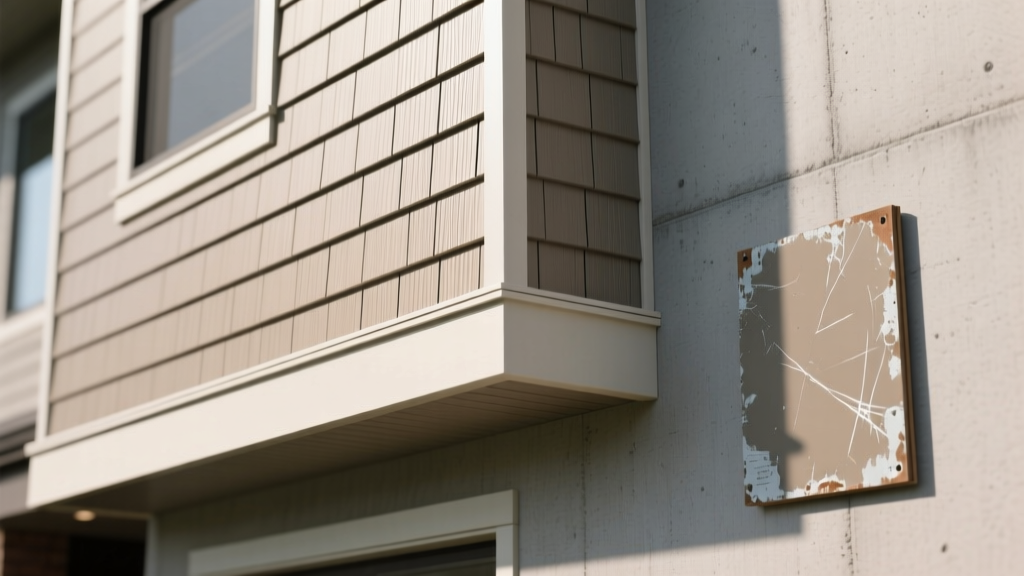
Vinyl board and batten siding has dominated the modern farmhouse and contemporary exterior market, but its vertical orientation introduces distinct structural and material challenges compared to traditional horizontal lap siding. While manufacturers frequently advertise lifespans exceeding 50 years, real-world durability is dictated by panel thickness, thermal expansion physics, and precise installation tolerances. This analysis breaks down the material science, failure modes, and actual lifespan expectations of vertical vinyl cladding systems in the current market.
Material Composition and Thickness Metrics
The durability of any polyvinyl chloride (PVC) cladding begins with its resin formulation. Premium vinyl board and batten panels utilize a co-extrusion process: a rigid substrate layer for structural integrity, capped with an acrylic-rich weatherable layer containing titanium dioxide (TiO2). To prevent UV-induced chalking and fading, the cap stock must contain a minimum of 5 parts TiO2 per 100 parts of resin.
Thickness is the primary predictor of wind resistance and impact durability. The ASTM D3679 Standard Specification mandates a minimum thickness of 0.035 inches for rigid PVC siding. However, because vertical board and batten panels are typically manufactured in 10-foot to 12-foot lengths (compared to 12-foot horizontal laps that overlap), they require greater rigidity to prevent bowing and "oil canning" (visible rippling).
- Builder Grade (0.035" - 0.040"): Prone to warping under direct, high-heat sun exposure. Not recommended for vertical profiles exceeding 8 feet.
- Mid-Grade (0.042" - 0.046"): The industry standard for reliable vertical installations. Provides adequate stiffness for 10-foot spans.
- Premium Grade (0.050" - 0.055"): Utilized in high-end lines like CertainTeed Cedar Impressions. Offers maximum impact resistance and mimics the rigid shadow lines of real wood.
The Physics of Vertical Thermal Expansion
PVC is highly susceptible to thermal expansion and contraction. Vinyl expands at a rate of approximately 1/2 inch per 10-foot panel across a 100°F temperature swing. In horizontal lap siding, this movement is largely hidden by the overlapping courses. In vertical board and batten siding, the full length of the panel moves vertically within the top and bottom J-channels or trim receivers.
Lifespan Projections by Climate and Profile
While the National Association of Home Builders (NAHB) historically lists the life expectancy of vinyl siding at 60 years, this figure assumes optimal conditions and standard horizontal profiles. Real-world lifespan for vertical board and batten varies significantly based on regional climate stressors and panel thickness.
| Climate Zone | Primary Stressor | Expected Lifespan (0.046" Profile) | Expected Lifespan (0.055" Profile) |
|---|---|---|---|
| Pacific Northwest / Coastal | Moisture, Algae, Salt Spray | 35 - 45 Years | 45 - 55 Years |
| Southwest / Desert | Extreme UV, High Heat Expansion | 25 - 35 Years | 35 - 45 Years |
| Midwest / Northern Plains | Freeze/Thaw Cycles, Hail Impact | 30 - 40 Years | 40 - 50 Years |
| Southeast / Gulf Coast | Hurricane Wind Loads, Humidity | 30 - 40 Years | 40 - 50 Years |
Impact Resistance and Wind Load Engineering
Vertical siding must withstand different aerodynamic forces than horizontal siding, particularly at the corners and eaves of a structure where wind uplift is most severe. The Vinyl Siding Institute (VSI) certification program tests products for both impact resistance and wind load.
Impact Testing (ASTM D3679)
Standard vinyl siding must withstand a 60 in-lb impact (a 10 lb weight dropped from 6 inches) without cracking at 73°F. However, premium board and batten systems often exceed this baseline. In sub-zero temperatures (below 20°F), standard PVC becomes highly brittle. Homeowners in northern climates should specify panels formulated with acrylic impact modifiers, which maintain ductility down to -20°F, preventing shattering from winter hail or debris.
Wind Load Ratings
Traditional nailed batten-over-panel systems generally max out at 110 mph wind resistance. Modern interlocking vertical systems, where the batten strip physically locks into the board panel (such as Alside's Board & Batten system), can achieve wind load ratings exceeding 160 mph, making them viable for High-Velocity Hurricane Zones (HVHZ) when installed with corrosion-resistant fasteners.
Real-World Failure Modes and Edge Cases
Understanding how vinyl board and batten actually fails in the field is critical for specification and maintenance. The most common degradation vectors are not simple aging, but specific environmental interactions.
- Thermal Distortion from Low-E Windows: Modern double-pane Low-E windows can reflect concentrated sunlight onto adjacent siding. This focused beam can raise the surface temperature of dark-colored vinyl to 165°F or higher. Because PVC begins to distort and warp at approximately 145°F, this reflection will permanently melt and warp the batten profiles. Mitigation: Install exterior window screens or specify heat-reflective vinyl pigments.
- Capillary Moisture Trapping: If the vertical batten strips are applied over flat panels without a proper drainage plane or if the bottom J-channel is sealed tightly with caulk, capillary action will draw wind-driven rain up behind the panels. This leads to concealed OSB sheathing rot. Bottom channels must always feature weep holes.
- Fastener Back-Out: Because vertical panels expand and contract vertically, the friction against the shank of standard smooth nails can cause the nails to slowly back out of the wood sheathing over 10-15 years. Roofing nails or specialized siding screws with neoprene washers are required to maintain holding power without restricting vertical movement.
2026 Market: Premium Brand Performance Comparison
When specifying vinyl board and batten for maximum longevity, three manufacturer systems currently lead the market in structural engineering and UV stability:
CertainTeed Cedar Impressions
Thickness: 0.055"
Technology: PermaColor™ acrylic cap stock.
Durability Edge: Features a proprietary interlocking system that hides the nailing hem completely. Excellent resistance to oil-canning on long vertical runs. Best suited for high-end residential where wood aesthetics are mandatory.
Alside Board & Batten
Thickness: 0.048"
Technology: Rolled homogenous vinyl with a deep shadow batten.
Durability Edge: Utilizes a unique rolled-forming process that creates a continuous, rigid panel. The integrated batten strip eliminates the need for secondary trim pieces, reducing the risk of water infiltration at the batten seams.
Royal Building Products (DuraPlast)
Thickness: 0.050"
Technology: DuraPlast™ formulation for extreme impact resistance.
Durability Edge: Specifically engineered for hail-prone regions. The resin matrix remains ductile in freezing temperatures, drastically reducing the brittle fracture rate common in standard PVC during winter storms.
Maintenance Protocols for Maximum Longevity
While marketed as "maintenance-free," vinyl board and batten requires specific care to reach its 40+ year lifespan potential. Neglect allows biological growth to penetrate the micro-textures of the wood-grain embossing.
"The vertical grooves of board and batten siding act as natural channels for water runoff, but they also trap airborne spores and dirt. Annual soft-washing is not just cosmetic; it prevents the acidic breakdown of the acrylic cap stock by lichen and mildew."
Actionable Maintenance Checklist
- Washing Pressure: Never exceed 1,500 PSI. High pressure will force water behind the batten locks and crack the cold PVC. Use a 40-degree wide-angle nozzle.
- Chemical Restrictions: Avoid undiluted bleach or harsh degreasers, which strip the TiO2 UV inhibitors. Use a mixture of 30% white vinegar and 70% water for safe, effective mildew removal.
- Annual Fastener Inspection: Check the bottom J-channels and corner posts for exposed fastener heads. If nails have backed out, do not hammer them flush (this pins the panel and restricts movement). Instead, drive a new siding screw 1/2 inch away and leave the old nail in place to avoid enlarging the hole.
- Clearance Verification: Ensure landscaping, mulch, and soil remain at least 6 inches below the bottom edge of the vinyl panels to prevent ground moisture wicking and insect intrusion behind the cladding.
By selecting a minimum 0.046-inch profile, enforcing strict thermal expansion clearances during installation, and mitigating localized heat reflections, builders and homeowners can ensure vinyl board and batten siding delivers decades of structural integrity and aesthetic performance.