Vinyl Gypsum Board vs. FRP and Painted Drywall: Which Wall System Wins?
Compare vinyl gypsum board against FRP panels and painted drywall. Explore costs, moisture resistance, and installation for commercial interiors.
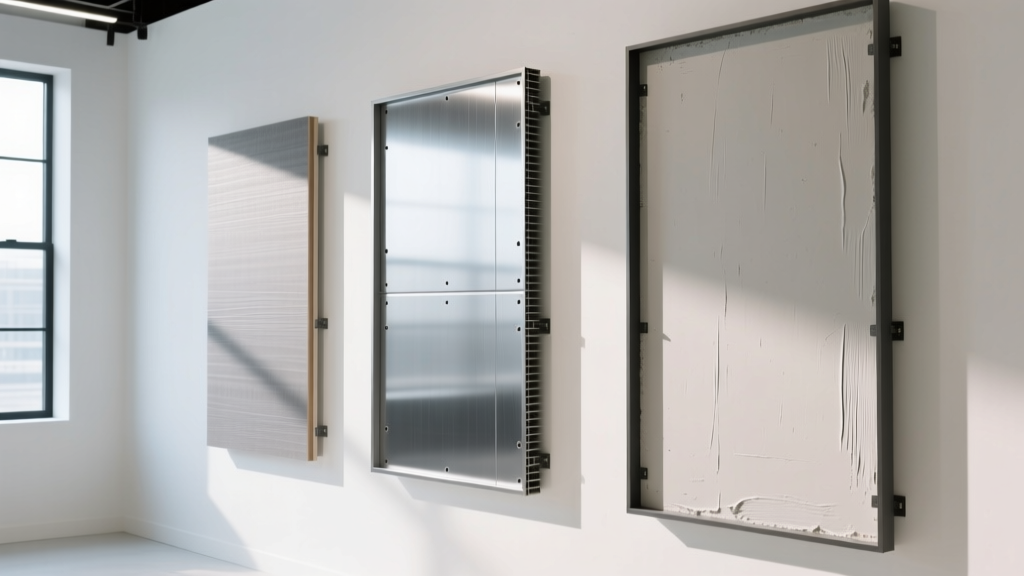
The Commercial Wall Matrix: Vinyl Gypsum vs. FRP vs. Painted Drywall
Specifying interior wall systems for high-traffic commercial, healthcare, and modular environments requires balancing upfront material costs against long-term lifecycle maintenance. Vinyl gypsum board—often referred to as pre-finished or pre-laminated drywall—has emerged as a dominant middle-ground solution. It pairs the structural and fire-rating benefits of a standard gypsum core with a durable, factory-applied PVC/vinyl facing.
But how does it truly stack up against the traditional alternatives? Below, we break down the head-to-head performance of vinyl gypsum board, Fiberglass Reinforced Plastic (FRP) panels, and traditional painted moisture-resistant drywall based on 2026 market pricing and installation realities.
| Feature | Vinyl Gypsum Board | FRP Panels (Over Substrate) | Painted MR Drywall |
|---|---|---|---|
| Material Cost (per sq. ft.) | $1.60 - $2.40 | $3.20 - $4.80 | $1.10 - $1.50 (board only) |
| Installed Cost (per sq. ft.) | $4.50 - $6.00 | $8.50 - $12.00 | $6.50 - $9.00 |
| Installation Speed | Fast (No mudding/sanding) | Moderate (Adhesive & trim) | Slow (Tape, mud, prime, paint) |
| Surface Moisture Resistance | High (Impervious facing) | Extreme (Solid resin) | Low-Moderate (Paint dependent) |
| Impact Resistance | Moderate (2-4 mil vinyl) | High (Rigid fiberglass) | Low (Dents and scuffs easily) |
| Fire Rating (Assembly) | Up to 1-Hour (Type X) | Substrate dependent | Up to 1-Hour (Type X) |
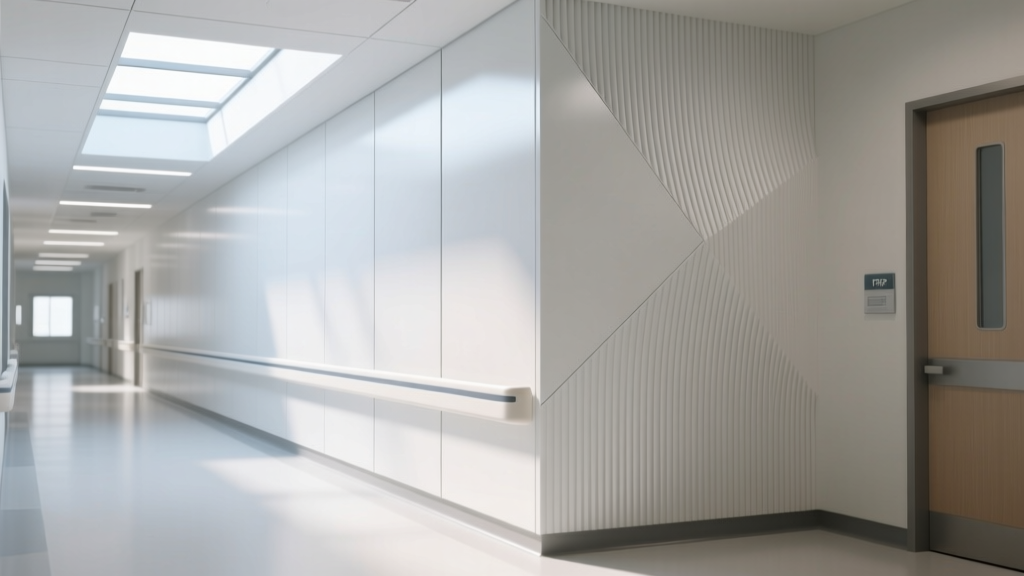
Vinyl Gypsum Board: Anatomy, Specs, and Edge Cases
Vinyl gypsum board consists of a 1/2-inch or 5/8-inch gypsum core (often Type X for fire resistance) laminated under high pressure with a 2.5 to 4-mil thick vinyl film. Brands like USG Vinylite and PABCO Pre-Finished dominate this space, offering dozens of solid colors, linen textures, and faux-wood grain patterns.
The Hidden Advantage: Schedule Compression
The primary ROI of vinyl gypsum board is not just material cost, but schedule compression. Because the finish is factory-applied, installers bypass the most time-consuming phases of traditional drywall: taping, applying three coats of joint compound, sanding, priming, and painting. In a 10,000-square-foot hospital corridor renovation, utilizing vinyl gypsum board can shave 10 to 14 days off the critical path, a massive financial advantage in 2026's high-labor-rate construction market.
Edge Profiles and Seam Management
Unlike standard drywall, you cannot simply mud over the seams of vinyl gypsum board. Installers must choose between two primary edge profiles:
- Square Edge with Vinyl Tape: Panels are butted together, and a 2-inch color-matched vinyl tape is applied over the seam using a specialized contact adhesive. This creates a visible, albeit clean, vertical line.
- Shiplap or Batten Edge: Panels feature a rabbeted edge that overlaps, concealing the fasteners and creating a deliberate shadow line or reveal. This is highly preferred in modular construction and elevator lobbies where a monolithic look is desired without the risk of tape peeling.
FRP Panels: When to Choose the Heavy-Duty Alternative
Fiberglass Reinforced Plastic (FRP) panels, such as those manufactured by Crane Composites or Nudo, are the undisputed champions of extreme wet environments. They are typically 1/16-inch or 3/32-inch thick sheets of polyester resin reinforced with fiberglass strands, applied over a substrate like MDF, plywood, or standard drywall using heavy-duty construction adhesive.
The Fire Rating Trap
A critical mistake specifiers make is assuming FRP maintains the fire rating of the wall beneath it. According to the Gypsum Association's Fire Resistance Design Manual, adding a layer of combustible plastic resin over a Type X gypsum core can actually alter the thermal dynamics of the assembly, potentially voiding the 1-hour fire rating unless the specific FRP brand has been tested and listed for that exact UL assembly. Vinyl gypsum board, conversely, is tested as a single integrated unit and reliably maintains ASTM E119 fire ratings.
Cost and Aesthetic Limitations
FRP is expensive. The material alone costs up to $4.80 per square foot, and the required substrate, adhesive, and PVC divider moldings push the installed cost well over $10.00 per square foot. Furthermore, FRP is notoriously difficult to make look seamless; it requires H-channels and outside corner guards that give spaces an institutional, industrial feel. Use FRP exclusively for commercial kitchens, car washes, and janitorial closets. For patient rooms, corridors, and classrooms, vinyl gypsum board offers a vastly superior aesthetic.
Painted Drywall: The Hidden Lifecycle Costs
Standard or moisture-resistant (green board) drywall finished with paint remains the default for low-traffic commercial offices. However, in high-traffic zones, painted drywall is a false economy.
To achieve a scrubbable surface comparable to vinyl, specifiers must mandate high-performance coatings like Sherwin-Williams Waterborne Acrylic-Alkyd or two-part epoxy paints. These premium paints cost $90 to $130 per gallon and require stringent environmental controls (temperature and humidity) during application. Even with premium paint, the surface will eventually scuff, dent from gurney or cart impacts, and require repainting every 3 to 5 years.
When calculating the 15-year Total Cost of Ownership (TCO), the initial savings of painted drywall are entirely erased by the cost of three to four repaint cycles, which require facility downtime, scaffolding, and hazardous VOC ventilation. Vinyl gypsum board requires zero repainting; maintenance consists solely of wiping the surface with a mild, non-abrasive detergent.
Installation Nuances: Adhesives and Cut Edges
The most common failure mode in vinyl gypsum board installations occurs at the cut edges and seams. The factory-applied vinyl does not wrap around the cut ends of the board. If a cut edge is left exposed in a humid environment, the gypsum core will wick moisture, leading to swelling and eventual delamination of the vinyl face.
- Seal All Cut Edges: Any field-cut edge must be sealed with a clear, water-based acrylic edge sealer before installation.
- Adhesive Selection: When applying color-matched vinyl tape to seams, never use standard drywall mud or PVA glue. You must use the manufacturer-specified water-based contact cement. Solvent-based adhesives will chemically melt the PVC vinyl facing, causing permanent blistering and discoloration.
- Fastener Schedule: For 5/8-inch vinyl gypsum board on 16-inch o.c. metal studs, use 1-1/4-inch Type S fine-thread drywall screws. Space fasteners 7 inches on center at the edges and 12 inches on center in the field, ensuring every head is perfectly flush.
The 2026 Decision Framework
Use this practical framework to select the correct wall system for your next commercial project:
- Choose FRP Panels IF: The space is subject to direct water spray, chemical splashing, or high-pressure washing (e.g., food processing plants, commercial dishwashing areas, veterinary surgical suites).
- Choose Vinyl Gypsum Board IF: The space requires high durability, frequent wiping, and a clean aesthetic without the budget for heavy wall cladding (e.g., hospital corridors, school hallways, modular dormitories, elevator cabs, and cleanrooms).
- Choose Painted Drywall IF: The space is low-traffic, subject to frequent branding/color changes, and has a strict upfront capital expenditure limit (e.g., corporate executive offices, retail back-of-house).
By understanding the exact mechanical and chemical properties of these systems, architects and contractors can eliminate costly change orders and lifecycle maintenance traps. As noted in recent industry analyses by Building Design+Construction, the shift toward pre-finished and vinyl-laminated gypsum products is accelerating as facility managers demand faster turnover times and lower long-term maintenance budgets.
Written by
Sarah WhitfieldSarah Whitfield is a chartered quantity surveyor (MRICS) and construction cost analyst with 15 years of experience in material pricing, procurement strategy, and project budgeting. She earned her degree in Construction Management from the University of Reading (UK) and has worked on projects ranging from $2M custom homes to $180M mixed-use developments across North America and Europe. Sarah currently leads cost estimating for BuildMat Insight, maintaining a proprietary database of 4,000+ material price points updated quarterly. She is a frequent contributor to RSMeans cost data panels and has presented at the International Cost Engineering Council (ICEC) congress. Based in Denver, CO, Sarah is an avid trail runner and volunteer mentor for Women in Construction.
More from Sarah Whitfield
View all
Wood & Lumber
What Are the Different Types of Wood? A Builder's Guide
Compare structural softwoods, finish hardwoods, and engineered lumber. Analyze Janka ratings, MOE values, and 2026 pricing for construction.
Aug 4, 2026

Walls & Panels
Steel Framing vs Wood Framing: Corrosion and Moisture Defense
Compare steel framing vs wood framing for moisture resistance. Learn about galvanized coatings, condensation risks, and corrosion protection strategies.
Jul 21, 2026

Stone & Masonry
How to Cut Stone Veneer: Wet Saw vs Grinder Comparison
Compare the best tools for cutting stone veneer. We review wet saws, angle grinders, and chop saws to help you achieve clean, chip-free cuts.
Jul 21, 2026