Calculating the Cost to Build a Carwash: Size and Scope Guide
Calculate the exact cost to build a carwash based on size, scope, and format. Includes current pricing for tunnels, in-bay, and site infrastructure.
The Core Variables: How Size and Scope Drive Costs
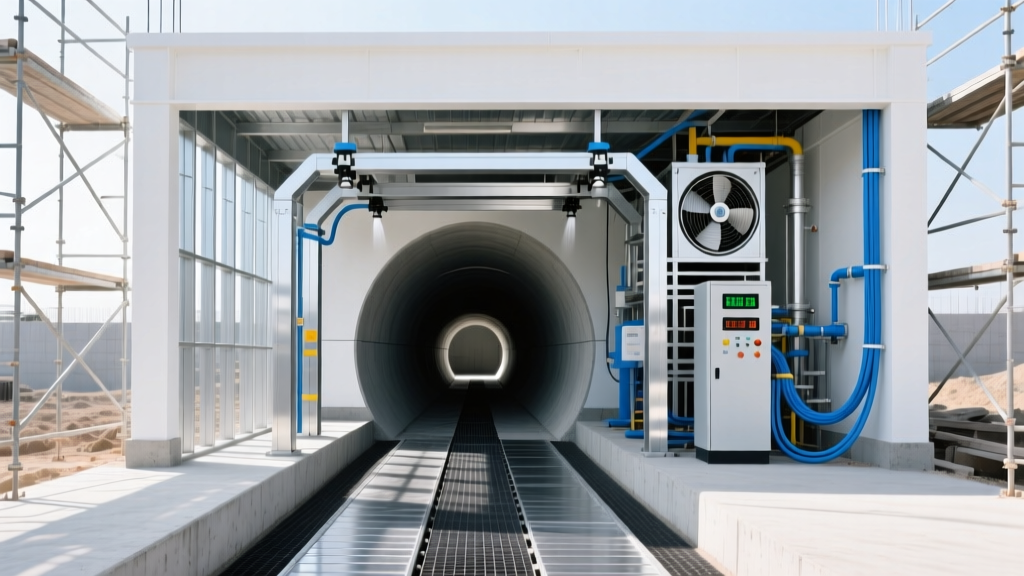
Estimating the cost to build a carwash requires moving beyond simple square-footage multipliers. Unlike standard commercial retail builds, a carwash is a heavy industrial water-processing facility wrapped in a customer-facing retail shell. The final budget is dictated by the wash format (express tunnel, in-bay automatic, or self-serve), the linear footage of the wash bay, and the complexity of subterranean water infrastructure.
According to industry data tracked by the International Carwash Association (ICA), the shift toward high-volume express tunnels has pushed average capital expenditures higher, but the return on investment per square foot remains superior when scoped correctly. To calculate your specific budget, you must break the project down into four distinct scopes: site preparation, structural shell, subterranean pit work, and wash equipment.
Format Comparison Matrix: Choosing Your Scope
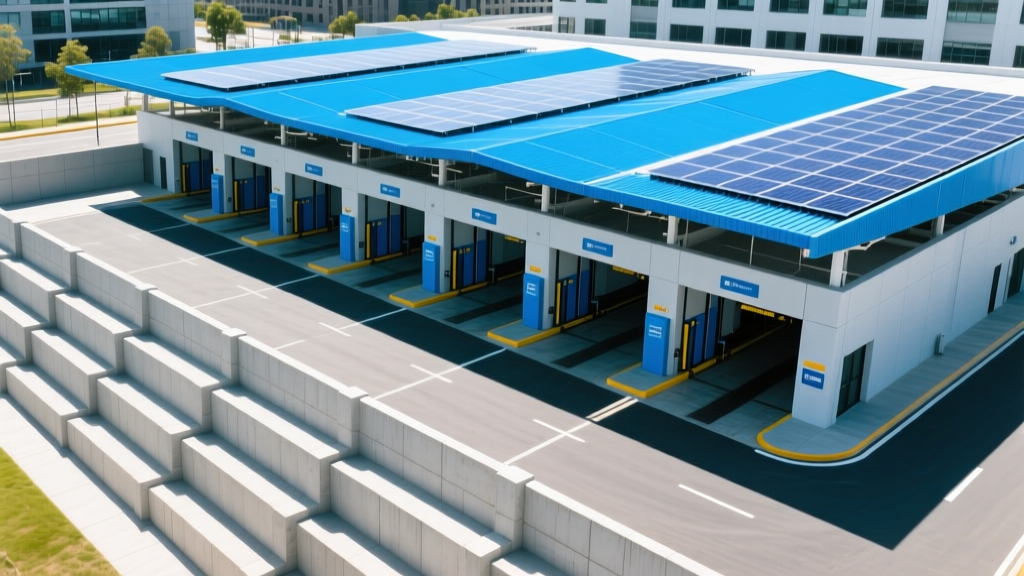
The first step in the size and scope calculator is selecting your operational model. Each model demands a vastly different footprint and capital allocation.
| Wash Format | Typical Lot Size | Building Footprint | Estimated Equipment Cost | Total Project Cost Range (Excluding Land) |
|---|---|---|---|---|
| Express Tunnel (100-130 ft) | 1.5 - 3.0 Acres | 4,500 - 7,000 sq ft | $1.2M - $2.5M | $3.5M - $6.5M |
| In-Bay Automatic (3-5 Bays) | 0.75 - 1.5 Acres | 3,000 - 5,000 sq ft | $450k - $900k | $1.8M - $3.2M |
| Self-Serve (4-6 Bays) | 0.5 - 1.0 Acres | 1,500 - 2,500 sq ft | $120k - $250k | $800k - $1.5M |
Industry Insight: While self-serve bays have the lowest initial cost to build, modern consumer preference heavily favors express tunnels and touchless in-bay systems. Publications like Professional Carwashing & Detailing consistently note that express tunnels capture the highest market share of recurring subscription revenue, justifying the larger initial scope.
Phase-by-Phase Scope Calculator
To build an accurate budget, apply these current unit costs to your specific site dimensions. Note that these figures assume standard soil conditions; expansive clay or high water tables will require specialized geotechnical engineering.
1. Site Work and Civil Engineering
Carwashes require massive impervious surface areas for stacking and queuing. An express tunnel needs a minimum of 40 feet of stacking lane before the pay station and 50 feet of exit lane.
- Earthwork and Grading: $8 to $14 per square foot of lot area.
- Paving (Asphalt/Concrete): $6 to $11 per square foot. High-traffic queuing areas should be paved with 6-inch thick reinforced concrete rather than asphalt to prevent surface degradation from constant water exposure and chemical drips.
- Utility Taps: Municipal water and sewer tap fees are notoriously high for carwashes due to the heavy water load. Budget $40,000 to $120,000 for municipal connection fees alone, depending on the municipality.
2. The Structural Shell and Building
The building envelope for a carwash is relatively simple—typically a pre-engineered metal building (PEMB) or masonry tilt-wall. However, the interior requires specialized moisture management.
- Building Shell: $140 to $210 per square foot.
- Insulation and Vapor Barriers: Critical for preventing condensation in the equipment room. Use closed-cell spray foam (minimum R-19) on all interior wash bay walls.
- Lighting: LED high-bay fixtures with IP65 wet-location ratings are mandatory. Budget $4 to $7 per square foot for specialized electrical layouts.
3. Subterranean Pit and Trench Work
This is where budgets frequently overflow. The wash bay floor must slope precisely to trench drains, and the subterranean pit houses the pumps, water reclamation system, and electrical panels.
- Wash Bay Concrete: Must be a minimum 4,000 PSI mix with synthetic fiber mesh and a hard-trowel finish sealed with a chemical-resistant epoxy or polyaspartic coating. Cost: $18 to $28 per square foot.
- Trench Drains: Heavy-duty ductile iron or stainless steel trench drains (e.g., Zurn Z886 series) with forklift-rated grates. Budget $150 to $250 per linear foot.
- Pit Construction: A standard 12x20 foot equipment pit requires heavily reinforced, waterproofed concrete walls. Pit construction alone often costs $60,000 to $95,000.
The Water Reclamation and Utility Scope
Modern municipal codes almost universally mandate water reclamation systems for new carwash builds. A high-volume express tunnel can use up to 40 gallons of water per car. A reclamation system captures, filters, and reuses up to 85% of this water.
A commercial-grade water reclamation system (from manufacturers like Aqua Chem or Watermatic) costs between $65,000 and $130,000. This scope includes the collection pits, settling tanks, ozone injection systems (for odor control), and reverse osmosis (RO) units for the final spot-free rinse. The RO system alone requires a dedicated climate-controlled room, as the membranes are highly sensitive to freezing temperatures and extreme heat.
Equipment Sizing and Throughput Framework
The physical length of your wash equipment dictates the building size, which in turn drives the total cost to build the carwash. Use this framework to size your equipment scope:
- Calculate Target Hourly Volume: A profitable express tunnel needs to wash 60 to 90 cars per hour. In-bay automatics typically process 12 to 18 cars per hour per bay.
- Select Conveyor Type: Belt conveyors (like the Sonny's ProLite) are preferred for express tunnels as they allow customers to remain in their vehicles, speeding up the loading process. Chain-and-roller conveyors are cheaper but require customers to exit, slowing throughput.
- Determine Tunnel Length:
- 80-100 feet: Basic wash, limited drying and ceramic coating application zones. Lower build cost, but limits premium service pricing.
- 110-140 feet: The industry sweet spot. Allows for triple-foam polish, ceramic sealant application arches, and high-volume drying arrays.
- 150+ feet: Premium luxury washes. Requires a massive building footprint and significantly higher HVAC and lighting costs.
Regional Labor and Material Multipliers
The baseline costs provided above assume national averages. You must apply a regional multiplier to your final scope calculation. Building in high-cost labor markets (e.g., California, New York, Massachusetts) will increase site work and structural shell costs by 25% to 40%. Conversely, building in the Southeast or Midwest may reduce labor costs by 10% to 15%. Furthermore, coastal regions require specialized corrosion-resistant fasteners and coatings for the building shell due to salt air, adding roughly 4% to the structural budget.
Frequently Asked Questions
How long does it take to build a carwash from groundbreaking to opening?
Once site work begins, an express tunnel typically takes 7 to 10 months to complete. In-bay automatic facilities take 5 to 7 months. However, securing municipal permits, environmental approvals for water discharge, and zoning variances can add 6 to 18 months of pre-construction time to the project timeline.
Is it cheaper to buy an existing carwash or build a new one?
Acquiring an existing, profitable carwash often commands a premium valuation (typically 6 to 9 times EBITDA). Building a new facility requires higher upfront capital and carries construction risk, but allows you to design the exact scope, integrate modern subscription-based point-of-sale technology, and avoid inheriting deferred maintenance on aging subterranean plumbing.
What are the ongoing electrical requirements for a large tunnel?
A 120-foot express tunnel with high-velocity drying arrays requires substantial power. You will typically need a 1,200 to 1,600 amp, 480V 3-phase electrical service. Upgrading municipal transformers to support this load can add $30,000 to $75,000 to your utility scope if the existing grid infrastructure is insufficient.
Written by
Marcus ChenMarcus Chen is a licensed structural engineer (PE) and building materials analyst with over 12 years of experience across residential, commercial, and industrial construction. He holds a Master of Science in Civil Engineering from UC Berkeley and spent six years at Thornton Tomasetti before transitioning to independent consulting and technical writing. Marcus specializes in material selection for seismic-prone regions, concrete reinforcement strategies, and lifecycle cost analysis. His work has been cited by the American Concrete Institute (ACI) and the Structural Engineers Association of California (SEAOC). When he is not on a job site or at his desk, you will find him hiking the Sierra Nevada or restoring a 1920s craftsman bungalow in Oakland, CA.
More from Marcus Chen
View all
Construction Cost
How Much Did the Eiffel Tower Cost to Build?
How much did the Eiffel Tower cost to build in 1889? We adjust for inflation and compare its budget to modern skyscraper construction.
Aug 4, 2026

Fire Resistance
What Is a Fire Resistant Material? Testing & Certification Guide
Discover what is a fire resistant material through ASTM and UL testing. Learn how fire ratings, certifications, and assemblies work in construction.
Aug 4, 2026

Construction Cost
How Much Did the Burj Khalifa Cost to Build?
How much did the Burj Khalifa cost to build? We break down the $1.5B project and extract 5 money-saving strategies for your next build.
Jul 30, 2026