Cost to Build a Bunker: 2026 Complete Pricing Guide
Discover the true cost to build a bunker in 2026. Explore pricing for concrete, steel, NBC filtration, and excavation for underground survival shelters.
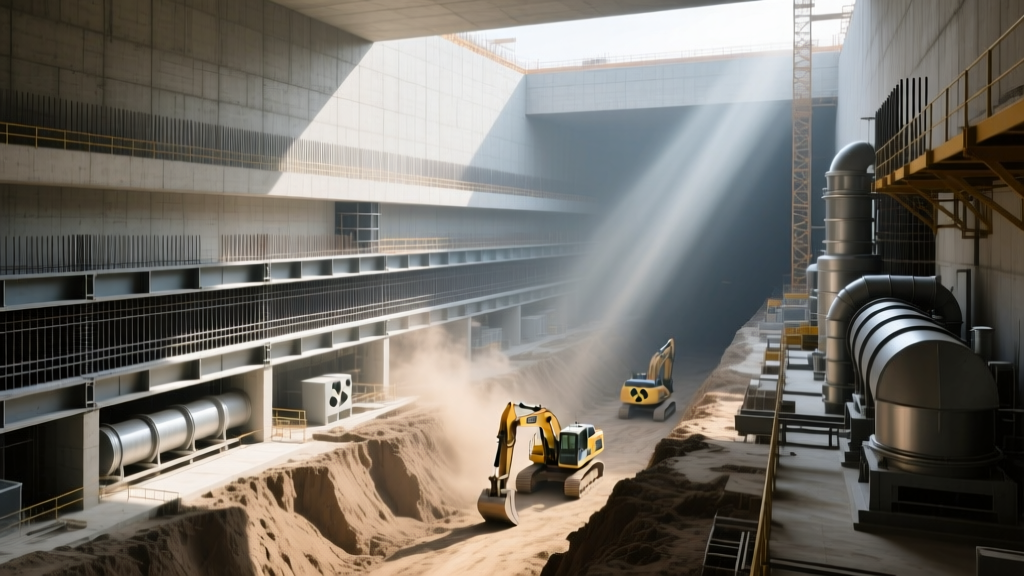
The Real Cost to Build a Bunker: 2026 Market Breakdown
Constructing an underground survival shelter is one of the most complex residential building projects you can undertake. Unlike standard home additions, a bunker must withstand immense soil pressure, hydrostatic forces, and potentially extreme overpressure events. When calculating the cost to build a bunker, homeowners must look far beyond the price of concrete and steel. The final budget is heavily dictated by site-specific geology, life-support engineering, and the level of ballistic or radiological protection required.
According to the FEMA Safe Room Guidelines, a basic reinforced storm shelter designed for wind-borne debris and tornadoes operates on a completely different engineering tier than a hardened fallout shelter. While a 100-square-foot FEMA-compliant storm shelter might cost between $15,000 and $25,000, a fully equipped 800-square-foot NBC (Nuclear, Biological, Chemical) bunker routinely exceeds $250,000.
Quick Cost Summary (2026 Estimates)
- Basic Storm Shelter (100 sq ft): $15,000 – $28,000
- Mid-Tier Survival Bunker (400 sq ft): $85,000 – $160,000
- High-End NBC Fallout Bunker (800+ sq ft): $250,000 – $600,000+
- Average Cost Per Square Foot: $300 – $750 (heavily dependent on depth and finishings)
Excavation and Site Preparation: The Hidden Variable
The most unpredictable line item in any bunker construction budget is excavation. You are not just digging a hole; you are moving thousands of tons of earth, managing shoring requirements to prevent trench collapse, and dealing with the local water table. If your site requires dewatering or bedrock blasting, your excavation costs can easily triple.
| Soil / Site Condition | Excavation Cost (Per Cubic Yard) | Additional Requirements |
|---|---|---|
| Loose Sand / Topsoil | $8 – $15 | Heavy shoring, trench boxes required |
| Dense Clay / Loam | $12 – $22 | Standard excavation, moderate shoring |
| Cobble / Gravel Mix | $20 – $35 | Specialized buckets, slower progress |
| Solid Bedrock | $80 – $150+ | Rock breaking, blasting permits, vibration monitoring |
Structural Shell: Poured Concrete vs. Corrugated Steel
The structural envelope dictates the longevity and protective capacity of the shelter. The two primary methods for underground bunker construction are poured reinforced concrete and buried corrugated steel pipes (CSP). Both have distinct engineering profiles and cost structures.
Poured Reinforced Concrete (The Gold Standard)
For true fallout and blast protection, a monolithic poured concrete shell is mandatory. The standard specification requires a minimum 5,000 PSI concrete mix, often with a 15% fly ash substitution to improve workability and reduce thermal cracking during the curing process. Walls should be a minimum of 12 inches thick, reinforced with #5 Grade 60 rebar spaced at 12 inches on center, both horizontally and vertically.
- Pros: Superior blast resistance, customizable floor plans, high resistance to hydrostatic pressure when properly engineered, indefinite lifespan.
- Cons: Highest upfront cost, requires complex forming and waterproofing, longer construction timeline.
Corrugated Steel Pipe (CSP) / Arch Structures
Buried galvanized steel arches or culverts rely on "soil arching" for their structural integrity. The surrounding compacted earth distributes surface loads around the steel shell. While significantly cheaper and faster to install, CSP is highly vulnerable to hydrostatic pressure and offers minimal protection against direct blast overpressure.
- Pros: 30-50% cheaper than poured concrete, rapid installation (often dropped in by crane in a single day), excellent for basic storm and tornado sheltering.
- Cons: Vulnerable to rust if the water table fluctuates, limited to tubular shapes, poor NBC sealing capabilities.
Critical Engineering Note: Never bury a standard corrugated steel culvert without consulting a geotechnical engineer. If the water table rises and saturates the soil, the buoyant force can literally float an empty steel bunker out of the ground, or the lateral hydrostatic pressure can crush the sidewalls inward.
Life Support and NBC Air Filtration Systems
If your bunker is intended for long-term habitation following a radiological or biological event, standard HVAC systems are useless. You require a dedicated NBC air filtration system capable of maintaining positive internal pressure. According to CDC Radiation Emergency Sheltering protocols, preventing the infiltration of radioactive dust and particulates is the primary function of the shelter's ventilation.
High-end systems from manufacturers like Andair or Swiss Crystal cost between $12,000 and $22,000. These units utilize a multi-stage process: a pre-filter for large debris, a HEPA filter for biological agents and radioactive dust, and a massive activated carbon bed for chemical gases and vapors.
Crucially, the intake and exhaust pipes must be fitted with blast valves. Standard manual or motorized HVAC dampers will fail under a shockwave. Specialized Swiss-made blast valves close in less than 1 millisecond upon detecting a pressure spike, preventing the shockwave from traveling down the ventilation shaft and rupturing the occupants' eardrums or destroying the filter media.
Interior Build-Out and Off-Grid Utilities
A concrete shell is just a tomb without independent life-support utilities. Bunkers must operate entirely off-grid, as municipal power, water, and sewer lines are highly likely to fail or become contaminated during a major disaster.
| Utility System | Estimated Cost | Key Considerations |
|---|---|---|
| Power (Solar + LiFePO4 Battery Bank) | $18,000 – $35,000 | Requires surface solar arrays; vulnerable to surface damage. |
| Backup Diesel Generator | $12,000 – $25,000 | Requires exterior exhaust routing and underground fuel storage. |
| Water Cistern (1,500 - 3,000 Gallons) | $4,000 – $9,000 | Must be buried below frost line; requires manual or 12V pumps. |
| Sanitation (Composting or Septic Lift) | $2,500 – $8,000 | Gravity septic is impossible; requires a sewage ejector pump or incinerating toilet. |
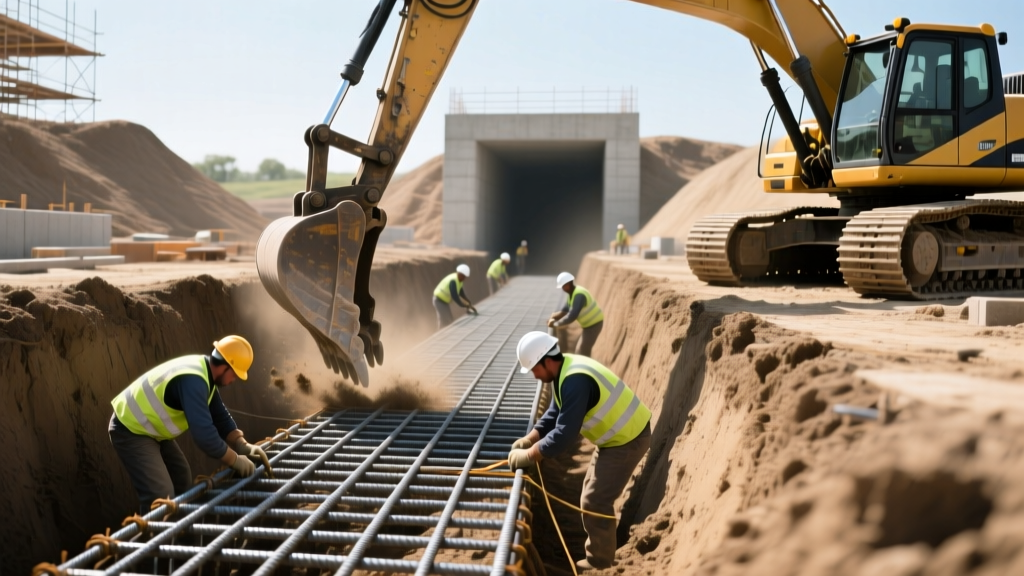
Common Construction Failure Modes to Avoid
The US Army Corps of Engineers outlines stringent standards for protective construction, highlighting that most civilian bunker failures stem from ignoring basic soil mechanics and waterproofing principles. Avoid these critical mistakes:
- Ignoring Hydrostatic Pressure: If you build a 12-inch concrete wall in an area with a high water table, the lateral pressure from saturated soil can bow and crack the wall. Fix: Install a comprehensive exterior French drain system tied to a dual-redundant sump pump, and apply a fluid-applied elastomeric waterproofing membrane (like Tremco) before backfilling.
- Poor Ventilation Intake Placement: Placing your NBC air intake near ground level or under a tree canopy will result in the intake being buried by debris or drawing in heavy, ground-hugging chemical agents. Fix: Route the intake pipe to a raised, camouflaged surface structure at least 12 feet above grade, equipped with a debris cage.
- Neglecting EMP Hardening: A high-altitude electromagnetic pulse will fry the inverters, battery management systems, and digital controls of your life support. Fix: Integrate a copper mesh Faraday cage into the interior framing, and use transient voltage surge suppressors (TVSS) on all power lines entering the bunker.
Frequently Asked Questions
Do I need a permit to build an underground bunker?
Yes, in almost all municipalities. While you might not need to explicitly label it a "survival bunker" on your permit application, you will need permits for earthmoving, structural concrete work, electrical installation, and plumbing. Attempting to build an unpermitted underground structure can result in massive fines, forced demolition, and severe liability issues if a trench collapses during construction.
How deep should a fallout bunker be?
Earth is an excellent radiation shield. The general rule of thumb is that every 3.6 inches of packed earth reduces gamma radiation by half (the halving thickness). To achieve a protection factor (PF) of 1,000—meaning the radiation inside is 1/1000th of the outside level—you need approximately 36 inches of packed earth covering the roof. Therefore, the bunker roof should be buried at least 3 to 4 feet below the surface. Going deeper than 10 feet drastically increases excavation costs and hydrostatic risks without providing meaningful additional radiological protection.
Can I convert an existing root cellar or basement into a bunker?
Standard residential basements are not engineered to withstand the lateral earth pressure of a deep burial or the overpressure of a blast. While an interior basement room can serve as a basic tornado safe room, converting it into a hardened NBC bunker requires reinforcing the existing foundation walls with steel I-beams, upgrading the ceiling joists to support the weight of sandbag or earth overhead shielding, and installing independent ventilation. In most cases, the cost to retrofit an existing basement exceeds the cost of building a dedicated, purpose-built shelter in the yard.
Written by
David NakamuraDavid Nakamura is a licensed architect (AIA) and construction technology writer focused on sustainable building methods, mass timber engineering, and high-performance building envelopes. He holds a Master of Architecture from the University of Washington and is a certified Passive House Consultant (CPHC). David spent eight years at the Seattle firm Mithun, where he led the design of three LEED Platinum projects, before founding his own practice specializing in net-zero residential design. He serves on the editorial advisory board of GreenBuilder Magazine and has authored peer-reviewed papers on cross-laminated timber (CLT) connections for the Journal of Structural Engineering. In his spare time, David teaches woodworking at Pratt Fine Arts Center and kayaks the Puget Sound.
More from David Nakamura
View all
Construction Cost
Labor Cost to Build a Deck Per Sq Ft: 2026 Installation Guide
Discover the exact labor cost to build a deck per sq ft in 2026. This installation guide breaks down contractor rates, complexity factors, and hidden fees.
Aug 4, 2026

Construction Cost
How Much Does It Cost to Build a 3 Bedroom House? Financing Guide
Learn exactly how much it costs to build a 3 bedroom house and explore 2026 financing options, construction loan types, and budget frameworks for your build.
Aug 4, 2026

Construction Cost
Cost to Build a Tennis Court: 2026 Guide
How much does it cost to build a tennis court in 2026? Breakdowns for asphalt, concrete, and synthetic surfaces plus fencing and lighting.
Jul 30, 2026