Cost to Build a Luxury Home in San Antonio: 2026 Savings Guide
Discover the true cost to build a luxury home in San Antonio. Learn value engineering and material strategies to save without sacrificing quality in 2026.
The True Baseline: 2026 Luxury Construction Costs in San Antonio
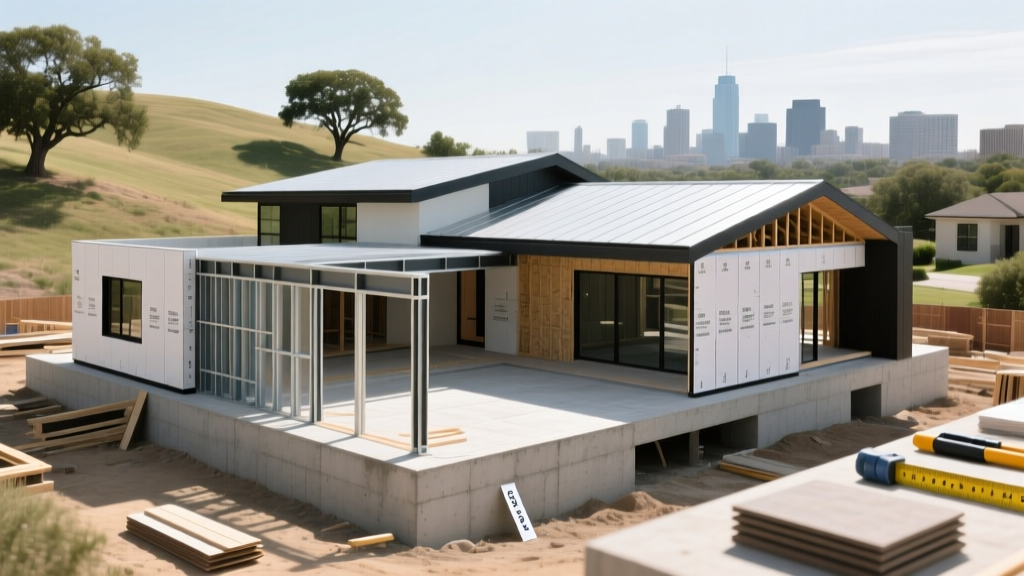
Building a custom luxury residence in San Antonio’s premium enclaves—such as The Dominion, Alamo Heights, or Shavano Park—requires navigating a unique intersection of high-end design expectations and challenging local topography. According to regional data and the National Association of Home Builders (NAHB), the baseline cost to build a luxury home in San Antonio in 2026 ranges from $350 to $650 per square foot. However, achieving a luxury aesthetic does not necessitate financial waste. By applying strategic value engineering and understanding the specific geological and climatic demands of South Texas, custom homebuyers can reduce overall expenditures by 12% to 18% without compromising architectural integrity or finish quality.
- Entry-Level Custom ($350-$425/sq ft): High-end builder-grade finishes, standard rooflines, slab-on-grade foundations.
- Mid-Tier Luxury ($426-$550/sq ft): Architectural design, premium appliance packages, spray foam insulation, custom millwork.
- Ultra-Luxury ($551-$750+/sq ft): Imported materials, smart home integration, complex steel framing, resort-style outdoor living.
| Cost Category | Percentage of Total Budget | Estimated Cost (4,000 sq ft Home) |
|---|---|---|
| Site Work & Foundations | 12% - 16% | $210,000 - $280,000 |
| Framing & Exterior Shell | 18% - 22% | $315,000 - $385,000 |
| MEP (Mechanical, Electrical, Plumbing) | 14% - 18% | $245,000 - $315,000 |
| Interior Finishes & Millwork | 25% - 30% | $437,000 - $525,000 |
| Landscaping & Outdoor Living | 8% - 12% | $140,000 - $210,000 |
Site Preparation: Navigating Hill Country Caliche and Limestone
The most unpredictable variable in the cost to build a luxury home in San Antonio is the soil. Much of the city's premier luxury real estate sits atop the Edwards Plateau, characterized by shallow topsoil and a dense, concrete-like layer of caliche and solid limestone bedrock. Unforeseen excavation costs can easily add $25,000 to $60,000 to a foundation budget if not properly managed.
The Geotechnical Imperative
Never finalize a lot purchase or foundation design without a comprehensive geotechnical soil survey. A standard survey costs between $2,500 and $4,500 and involves drilling core samples to determine the exact depth of the bedrock. If the limestone is within 18 inches of the surface, traditional trenching for a standard slab-on-grade foundation will require heavy mechanical excavation or controlled blasting, both of which carry massive premiums and risk damaging neighboring properties.
Foundation Value Engineering
If your geotech report reveals shallow bedrock, pivot to a post-tensioned slab with grade beams or a pier-and-beam foundation. Drilling caissons (piers) directly into the limestone using hydraulic augers is often 20% to 30% cheaper than blasting out a massive footprint for a traditional thick-edge slab. Furthermore, a suspended slab design allows for easier routing of plumbing and HVAC ductwork, reducing future maintenance costs and preventing the need to jackhammer concrete for repairs.
Value Engineering: High-End Material Substitutions
Luxury is defined by visual impact and tactile quality, not necessarily by the geological origin of a material. By substituting traditional high-maintenance luxury materials with advanced engineered alternatives, you can save tens of thousands of dollars while actually improving the durability of the home.
| Application | Traditional Luxury Material | Value-Engineered Alternative | Estimated Savings |
|---|---|---|---|
| Kitchen & Bath Counters | Imported Calacatta Marble ($180-$250/sq ft installed) | Large-Format Sintered Stone (e.g., Dekton, Neolith) ($90-$130/sq ft) | $15,000 - $25,000 |
| Primary Bath Shower | Custom Hand-Laid Mosaic Tile ($60-$100/sq ft) | Solid Surface Slab Panels (e.g., Corian, Caesarstone) ($45-$70/sq ft) | $4,000 - $8,000 |
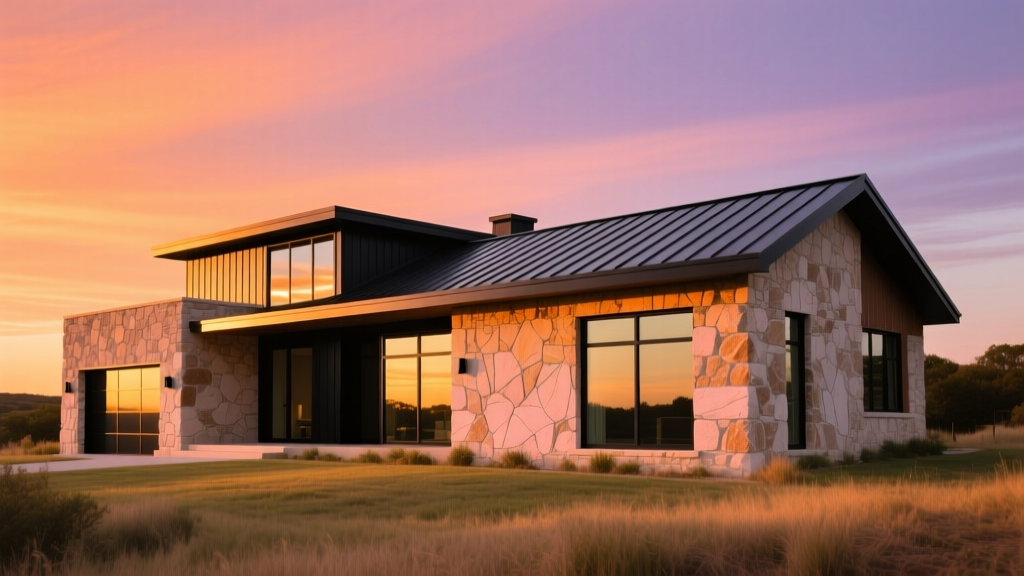
| Exterior Siding/Accents | Hand-Cut Natural Limestone Veneer ($35-$50/sq ft) | Architectural Cast Stone Veneer ($18-$28/sq ft) | $20,000 - $40,000 |
| Hardwood Flooring | Site-Finished Solid Exotic Hardwood ($18-$25/sq ft) | Engineered European Oak with Thick Wear Layer ($11-$16/sq ft) | $12,000 - $20,000 |
Sintered stone surfaces like Dekton are virtually indestructible, resistant to UV fading, and impervious to heat, making them vastly superior to porous natural marble for a busy luxury kitchen, all while mimicking the exact veining patterns of high-end Italian stone.
Climate-Specific Envelope and HVAC Savings
San Antonio falls under IECC Climate Zone 2A, characterized by extreme summer heat and high humidity. Oversizing HVAC systems to compensate for a poorly insulated building envelope is a common and expensive mistake. According to the U.S. Department of Energy, optimizing the building envelope can reduce heating and cooling loads by up to 30%.
Insulation Strategy: Closed-Cell vs. Open-Cell
For a luxury build in South Texas, mandate a hybrid spray foam approach. Use 2 inches of closed-cell spray foam (R-14) on the underside of the roof deck to create a sealed, conditioned attic space. This prevents the extreme 140°F+ attic temperatures from radiating into the living spaces and protects HVAC ductwork from thermal loss. Fill the remaining wall cavities with open-cell spray foam (R-3.7 per inch) for superior sound dampening—a critical luxury feature often overlooked. This strategy allows you to downsize the HVAC tonnage required, saving $8,000 to $15,000 on initial equipment costs.
Window Glazing Specifications
Do not default to standard dual-pane windows. Specify aluminum-clad wood or fiberglass frames with Low-E 366 (triple silver) glazing. This specific coating blocks a massive percentage of solar heat gain (SHGC of 0.25 or lower) while maintaining high visible light transmittance. While Low-E 366 windows carry a 10% to 15% premium over standard Low-E 270, the reduction in peak cooling loads and the elimination of UV damage to interior hardwood floors and custom furnishings provides an immediate return on investment.
In many San Antonio luxury builds, HVAC contractors place ductwork in unconditioned attics or furred-down soffits. If your design features a conditioned attic (spray-foamed roofline), ensure the building inspector and HVAC designer verify that the attic space is properly integrated into the home's pressure boundary. Failing to do so can lead to severe moisture accumulation and mold growth, a catastrophic failure mode detailed extensively by the Building Science Corporation.
Architectural Footprint and Roofline Optimization
The geometry of your home directly dictates framing labor and material waste. A sprawling, single-story ranch with multiple offset wings requires a massive foundation footprint and a highly complex roofline. Every valley, hip, and dormer in a roof design increases framing labor, generates material off-cuts, and creates potential leak points.
The 2-Story Advantage
Transitioning from a sprawling single-story to a thoughtfully designed 1.5 or 2-story layout reduces the foundation and roof area by up to 40%. In San Antonio, where foundation costs are inflated by limestone excavation, shrinking the footprint is the single most effective way to lower the cost to build a luxury home. You can maintain the luxury single-story feel by placing the primary suite, kitchen, and main living areas on the ground floor, reserving the upper level for guest suites, home offices, and media rooms.
Roofing Material Selection
While a natural slate roof is a hallmark of ultra-luxury, it costs $45 to $65 per square foot installed and requires heavy structural reinforcement to support the immense weight. Instead, specify a standing seam metal roof (e.g., 24-gauge Galvalume with a Kynar 500 paint finish). At $16 to $24 per square foot, it offers a 50-year lifespan, reflects solar radiation to lower cooling costs, and perfectly complements the modern Hill Country architectural style prevalent in San Antonio.
Frequently Asked Questions
How long does the permitting process take for a luxury build in San Antonio?
For a custom home over 4,000 square feet, expect the plan review and permitting process with the City of San Antonio Development Services Department to take 8 to 14 weeks. If your lot is located in a designated Historic District or a strict HOA like The Dominion, architectural review board (ARB) approvals can add an additional 4 to 8 weeks to the pre-construction timeline.
Are smart home integrations worth the upfront cost in 2026?
Hardwired infrastructure is non-negotiable for luxury resale value, but you can save on the active components. Run Cat6A ethernet and conduit to every room, ceiling, and exterior soffit during framing. This costs roughly $4,000 to $7,000 in labor and wire. You can defer the purchase of high-end smart switches, motorized shades, and AV equipment to a later date, utilizing the pre-wired infrastructure when budget allows.
What is the biggest hidden cost in San Antonio luxury builds?
Utility tap fees and off-site infrastructure. If you are building on an undeveloped lot on the city's expanding north side, bringing municipal water, sewer, and high-capacity electrical service to the property line can cost between $30,000 and $75,000. Always verify utility availability and tap fee schedules with SAWS (San Antonio Water System) and CPS Energy before closing on raw land.
Written by
Elena RodriguezElena Rodriguez is a civil engineer and technical writer specializing in concrete technology, masonry systems, and ASTM/ACI compliance. She earned her B.S. in Civil Engineering from Texas A&M University and spent a decade at a materials testing laboratory, performing over 2,000 concrete compressive strength tests and masonry prism evaluations. Elena is an ACI-certified Field Testing Technician (Grade I) and a member of ASTM Committee C12 on Natural Building Stone. She currently consults on forensic engineering cases involving concrete failures and moisture intrusion. Based in San Antonio, TX, Elena is a proud member of the Society of Women Engineers (SWE) and coaches her daughter's FIRST Robotics team.
More from Elena Rodriguez
View all
Walls & Panels
Cost Analysis: Light Gauge Steel Framing Advantages and Disadvantages
Evaluate light gauge steel framing advantages and disadvantages through a strict cost analysis lens, comparing material, labor, and lifecycle expenses.
Aug 4, 2026

Walls & Panels
Gypsum Board Types: Exact Specifications, Thickness & Dimensions
Compare standard, Type X, and moisture-resistant gypsum board types. Get exact specifications, thicknesses, dimensions, and ASTM standards for your project.
Aug 4, 2026

Fire Resistance
Best Fire-Resistant Outdoor Decking Materials: 2026 Buyer Guide
Discover the best fire-resistant outdoor decking materials for 2026. Compare Class A PVC, aluminum, and hardwood options for WUI compliance and safety.
Aug 4, 2026