How to Clean and Maintain White Stone Veneer for Fireplace Surrounds
Learn expert techniques to clean, seal, and maintain white stone veneer for fireplace surrounds, preventing soot stains, efflorescence, and heat damage.
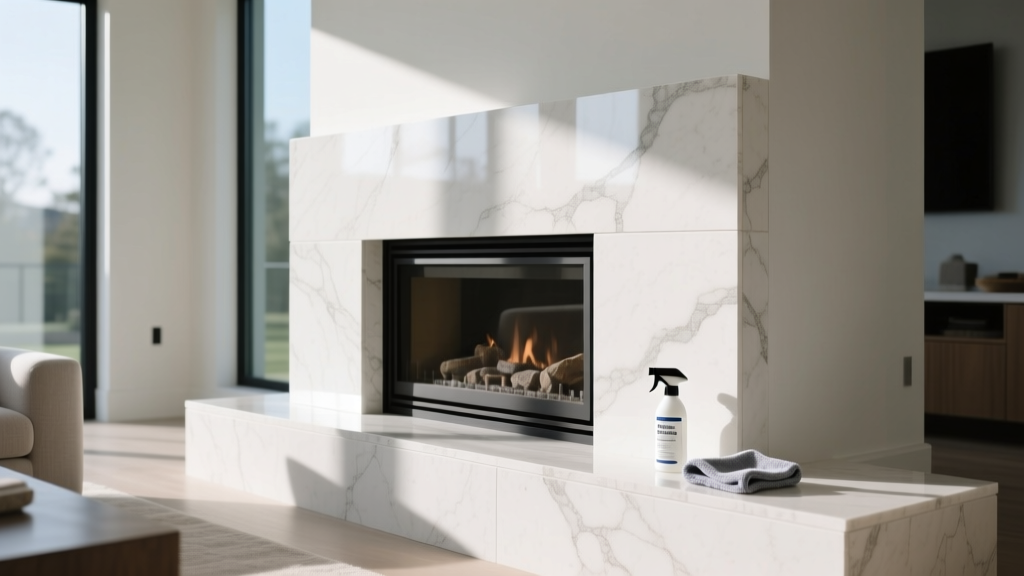
The Unique Vulnerabilities of White Fireplace Stone
White stone veneer—whether natural quartzite, limestone, or manufactured cast stone—creates a striking, high-contrast focal point in modern interiors. However, its light coloration makes it uniquely susceptible to visible soot accumulation, ash embedment, and efflorescence. Furthermore, the thermal cycling inherent to fireplace operation causes microscopic expansion and contraction, which can compromise inferior sealers and draw particulate matter deep into the stone’s porous matrix.
Maintenance protocols must be adjusted based on the material's origin. Natural white limestone is highly sensitive to acidic cleaners, which will etch the calcium carbonate and permanently dull the surface. Manufactured white stone (concrete-based) contains Portland cement and iron oxides; using harsh acids or chlorine bleach can trigger a chemical reaction that causes irreversible yellowing or rust spotting. Understanding these material-specific vulnerabilities is the first step in preserving the pristine appearance of your fireplace surround.
Routine Soot and Ash Removal Protocol
For wood-burning fireplaces, soot management is an ongoing requirement. Gas fireplaces produce less particulate matter but can still deposit fine carbon dust over time. The EPA's Burn Wise program notes that even highly efficient wood stoves release fine particulate matter that settles on nearby porous surfaces.
Step-by-Step Dry and Wet Cleaning
- Dry Agitation: Use a clean, dry natural-bristle brush (never wire) to gently loosen surface soot from the stone's crevices. Wire brushes shed microscopic steel fibers that will oxidize and create orange rust stains on white stone.
- HEPA Vacuuming: Immediately vacuum the loosened soot using a HEPA-filtered shop vac with a soft brush attachment. This prevents the soot from being pushed deeper into the pores during the wet wash phase.
- pH-Neutral Wash: Mix a pH-neutral stone cleaner (such as StoneTech Revitalizer or Simple Green Stone) with warm water. The pH should be strictly between 7.0 and 8.0.
- Microfiber Application: Apply the solution using a dense microfiber cloth or a soft sponge. Work in small 2x2 foot sections, agitating gently in a circular motion.
- Extraction and Rinsing: Wipe away the dirty solution with a separate, clean damp cloth. Do not allow the dirty water to air-dry on the stone, as this will leave a gray carbon ring.
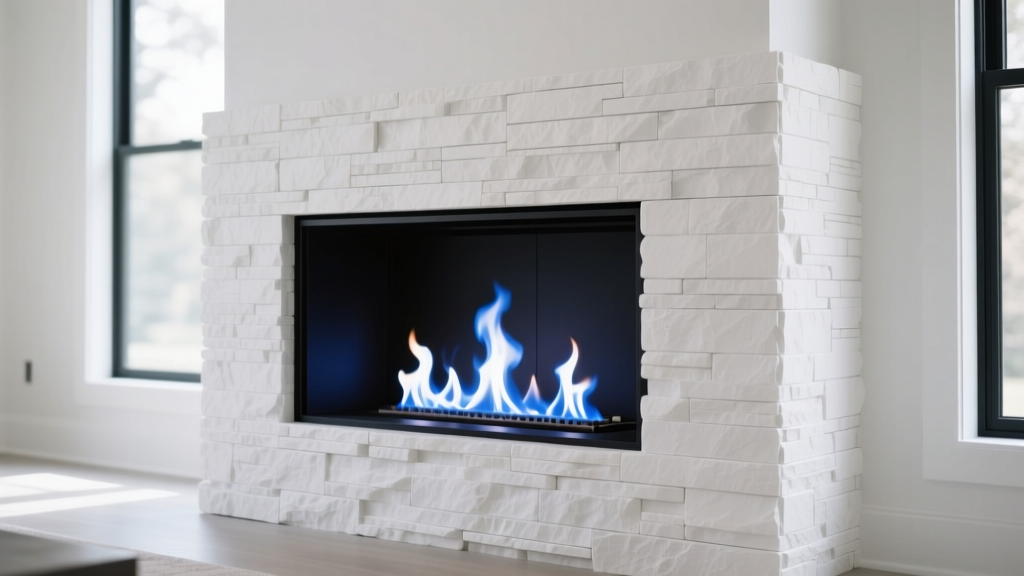
Tackling Stubborn Stains and Efflorescence
When routine cleaning fails, targeted chemical interventions are required. The table below outlines the specific failure modes common to white fireplace surrounds and their corresponding professional treatments.
| Stain / Issue | Root Cause | Treatment Protocol |
|---|---|---|
| Embedded Soot | Carbon particles trapped in microscopic pores. | Apply an alkaline heavy-duty stone degreaser. Allow 5-minute dwell time, agitate with a nylon brush, and extract. |
| Efflorescence | Water-soluble salts migrating to the surface and crystallizing. | Dry brush aggressively. If persistent, apply a specialized, buffered efflorescence remover (e.g., Prosoco Sure Klean Light Duty Concrete Cleaner). Avoid unbuffered acids. |
| Yellowing | Iron oxidation within the stone or previous use of chlorine bleach. | Apply a commercial iron-out stain remover formulated for natural stone (e.g., Tenax Rust Stain Remover). Poultice for 24 hours if deeply embedded. |
| White Haze (Sealer Failure) | Film-forming acrylic sealer trapped moisture or degraded under heat. | Strip the sealer using a solvent-based acrylic stripper. Neutralize, dry completely, and re-seal with a breathable siloxane. |
For comprehensive guidelines on maintaining the structural and aesthetic integrity of stone surfaces, the Natural Stone Institute provides extensive technical bulletins on stain identification and poultice application, which are highly effective for drawing deep-set soot out of white limestone and marble veneers.
Sealing White Stone Veneer: Products and Application
Sealing is non-negotiable for white stone veneer in high-use fireplace environments. However, selecting the wrong sealer is a common and costly mistake. Film-forming sealers (acrylics, urethanes) create a plastic-like barrier on the surface. When subjected to the radiant heat of a fireplace, these films will yellow, peel, and trap moisture behind the veneer, leading to spalling and efflorescence.
Recommended Penetrating Sealers for High-Heat Zones
You must use a breathable, penetrating silane/siloxane sealer. These chemicals react with the silica in the stone and mortar to form a hydrophobic barrier below the surface, allowing water vapor to escape while blocking liquid water and soot penetration.
- Prosoco Siloxane PD: A high-performance, water-based siloxane excellent for manufactured stone and porous natural stones. Coverage rate is approximately 150-250 square feet per gallon.
- Tenax Akeem Stone Protector: A premium solvent-free impregnator that provides exceptional resistance to oil and water-based stains without altering the natural color or sheen of white stone.
- StoneTech BulletProof Sealer: Ideal for highly porous natural white stones like marble or soft limestone, offering advanced micro-bond protection.
Heat Clearance and Structural Maintenance
Maintenance extends beyond cleaning; it includes monitoring the physical integrity of the installation against thermal stress. According to NFPA 211 (Standard for Chimneys, Fireplaces, Vents, and Solid Fuel-Burning Appliances), strict clearances must be maintained between the firebox opening and any combustible materials, including wooden mantels or drywall substrates behind the veneer.
While the stone veneer itself is non-combustible, the substrate and the adhesives used are subject to thermal degradation. During your annual maintenance inspection, check for the following:
- Mortar Joint Integrity: Look for micro-cracking in the mortar joints directly above the firebox. Repeated thermal cycling can cause standard Type N mortar to become brittle. If crumbling occurs, repoint using a high-heat refractory mortar or a flexible, high-quality polyurethane masonry sealant colored to match the existing joints.
- Substrate Delamination: Press firmly on the stones near the top of the surround. Any sponginess or hollow sounds indicate that the metal lath or scratch coat has separated from the backing board due to heat expansion or moisture intrusion.
- Mantel Clearances: Verify that combustible mantels remain at least 12 inches from the top of the firebox opening, or adhere to the specific clearance reductions outlined by the fireplace manufacturer when a non-combustible heat shield is installed.
Frequently Asked Questions
Can I use a pressure washer to clean my interior white stone fireplace?
No. Pressure washing introduces massive amounts of water into the interior environment, risking severe damage to the subfloor, drywall, and the veneer's scratch coat. The high PSI can also erode the softer mortar joints and the surface patina of natural white stones. Always use manual agitation and targeted extraction for interior surrounds.
How do I remove candle wax drips from a white stone hearth?
Do not scrape the wax while it is warm, as it will smear into the pores. Place a plastic bag of ice cubes over the wax until it becomes brittle, then gently pop it off with a plastic putty knife. If a grease stain remains, apply a poultice made of baking soda and acetone, cover with plastic wrap, and let it sit for 24 hours to draw the oil out of the stone.
Will a gas fireplace cause less soot on my white stone than wood?
Yes, significantly less. Vent-free and direct-vent gas fireplaces produce minimal particulate matter compared to wood-burning units. However, gas flames can sometimes produce a fine, invisible film of condensation mixed with trace combustion byproducts that attracts household dust to the stone over time. A bi-annual wipe-down with a pH-neutral cleaner is still required to maintain the bright white finish.
Written by
Priya KapoorPriya Kapoor is a real estate market analyst and construction economics researcher with expertise in housing affordability, development feasibility, and infrastructure investment. She holds a Master of Regional Planning from Cornell University and previously worked as a senior analyst at CBRE's Investment Properties group, where she modeled returns for $4B in mixed-use development pipelines. Priya now runs an independent research practice advising developers, municipalities, and REITs on construction cost forecasting and market timing. She publishes the quarterly "BuildMat Market Pulse" report tracking material price indices across 12 commodity categories. Based in Austin, TX, Priya serves on the board of Habitat for Humanity Austin and is a marathon runner.
More from Priya Kapoor
View all
Construction Cost
Cost to Build a 1600 Sq Ft Home in 2026: Full Breakdown
Accurate 2026 cost to build a 1600 sq ft home—material, labor, and regional pricing breakdowns included. Plan your budget with real-time estimates.
Aug 11, 2026

Wood & Lumber
Name the Types of Wood for Pressure Treatment and Preservation
Learn how to name the types of wood best suited for pressure treatment. Compare species treatability, chemical retention levels, and 2026 preservation costs.
Aug 4, 2026

Stone & Masonry
Stone Veneer Suppliers Lindenhurst: 2026 Cost Analysis
Analyze 2026 stone veneer costs in Lindenhurst, NY. Compare local supplier pricing, delivery fees, and Suffolk County installation labor rates.
Aug 4, 2026