Cost of Stone Veneer for Interior Walls: 2026 Pricing Guide
Discover the true cost of stone veneer for interior walls in 2026. Breakdown of material, labor, and hidden expenses for manufactured and natural stone.
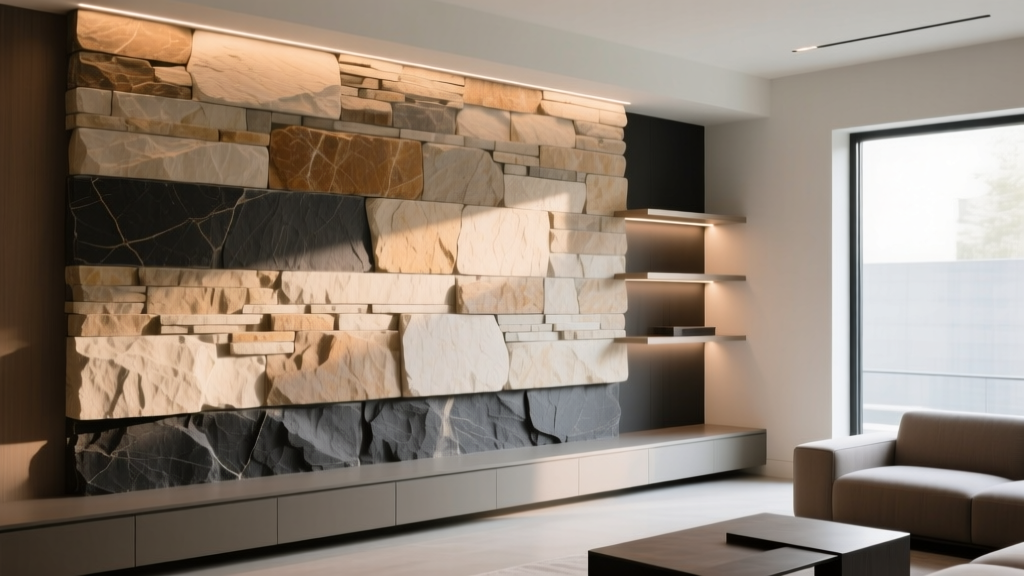
The Real Cost of Stone Veneer for Interior Walls
Installing stone veneer for interior walls transforms standard drywall into a high-end architectural feature, but the financial commitment extends far beyond the sticker price of the stone itself. In 2026, the national average for professionally installed interior stone veneer ranges from $14.50 to $32.00 per square foot. This wide variance is driven by the choice between manufactured and natural stone, regional labor rates, and the often-overlooked costs of substrate preparation and corner pieces.
2026 Quick Cost Snapshot (Per Square Foot)
- Manufactured Stone (Material Only): $5.50 – $10.50
- Natural Stone (Material Only): $11.00 – $22.00
- Professional Labor & Mortar: $9.00 – $16.00
- Total Installed Average: $14.50 – $32.00
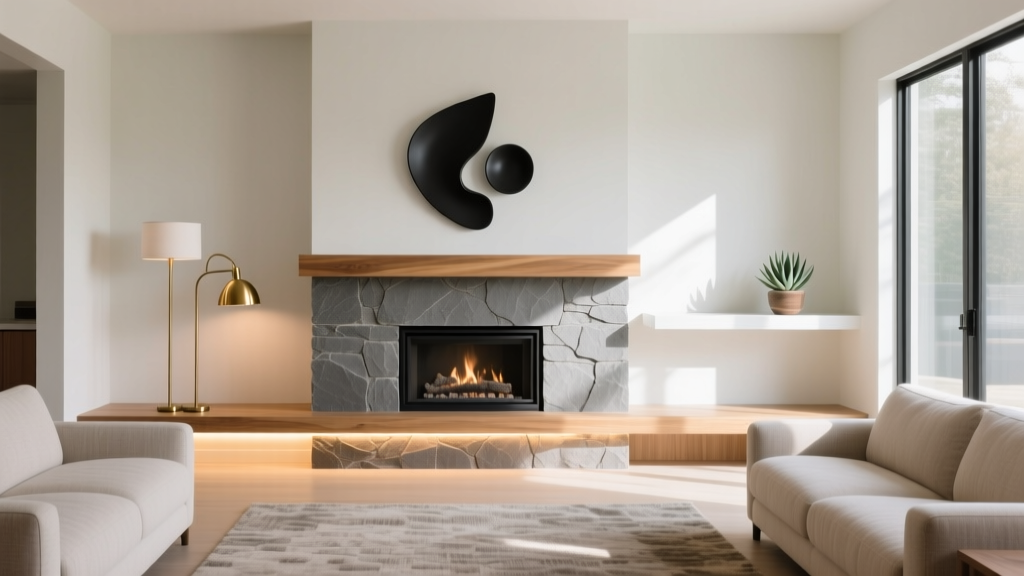
Material Pricing Matrix: Manufactured vs. Natural
The primary cost driver is the material selection. Manufactured stone (architectural cast stone) is a Portland cement-based product poured into molds taken from real stone. It is lighter, easier to cut, and generally less expensive. Natural stone veneer is quarried and sliced, offering unmatched authenticity but requiring more structural support and skilled masonry labor.
| Material Type & Profile | Brand / Example | Material Cost (sq ft) | Labor Cost (sq ft) | Total Installed |
|---|---|---|---|---|
| Manufactured Ledgestone | Cultured Stone Country Ledgestone | $6.50 - $8.50 | $9.00 - $12.00 | $15.50 - $20.50 |
| Manufactured Fieldstone | Eldorado Stone Rimrock | $7.00 - $9.50 | $10.00 - $13.00 | $17.00 - $22.50 |
| Natural Stacked Quartzite | Casa Roma / MS International | $12.00 - $16.00 | $12.00 - $16.00 | $24.00 - $32.00 |
| DIY Interlocking System | AirStone (Adhesive-based) | $8.00 - $10.00 | $0.00 (DIY) | $8.00 - $10.00 |
Labor, Substrate, and Hidden Installation Costs
The most common budgeting error in interior stone projects is calculating costs based solely on flat wall square footage. Professional masonry labor in 2026 averages $75 to $110 per hour, and a skilled mason typically covers 15 to 25 square feet per day on intricate interior work. Beyond hourly rates, specific material and structural requirements introduce hidden costs.
The Substrate Preparation Requirement
You cannot apply mortar-based stone veneer directly over painted drywall or standard plaster. The moisture from the mortar will degrade the drywall paper, and the weight will cause structural failure. Proper interior installation requires stripping the wall to the studs or installing a secondary substrate.
- Moisture Barrier: 15 lb asphalt felt paper or Grade D building paper ($0.35/sq ft).
- Metal Lath: 2.5 lb self-furring galvanized metal lath, attached with 1-inch roofing nails or staples every 6 inches ($1.25/sq ft).
- Scratch Coat: A 1/2-inch layer of Type S mortar applied to the lath and scored horizontally to create a mechanical bond ($1.50/sq ft in labor and material).
- Cement Backer Board Alternative: For wet areas or high-load walls, installing 1/2-inch Durock or HardieBacker over studs adds $2.50 to $3.50 per square foot before lath is even applied.
The Corner Piece Budget Trap
Flat stone pieces are sold by the square foot, but corner pieces are sold by the linear foot. Because corners require complex molding and thicker casting, they typically cost 2 to 3 times more per linear foot than flat pieces cost per square foot. A standard 8-foot interior wall corner will require 8 linear feet of corner pieces. If your design features multiple pillars, fireplace returns, or window wraps, corner pieces can account for up to 20% of your total material budget despite covering minimal surface area.
Mortar and Fastener Specifications
For interior applications, always use Type S mortar (such as QUIKRETE Veneer Stone Mortar or LATICRETE masonry blends). Type S offers higher tensile bond strength (minimum 1,800 psi) compared to Type N, which is critical for vertical, non-load-bearing interior applications where lateral movement from HVAC systems or foot traffic can cause weaker mortars to crack. According to Cultured Stone manufacturer installation guidelines, using unapproved mortar mixtures voids the product warranty and leads to premature delamination. Pre-blended veneer stone mortar costs approximately $18 to $24 per 80-lb bag, with each bag covering roughly 12 to 15 square feet of stone.
Step-by-Step Budgeting Framework
To generate an accurate estimate for your specific space, follow this sequential calculation framework rather than relying on online square-footage averages.
- Calculate Gross Square Footage: Measure the height and width of the wall. (e.g., 10 ft x 8 ft = 80 sq ft).
- Subtract Openings: Deduct the square footage of fireplaces, windows, or large built-ins that will not be covered.
- Measure Linear Corners: Measure all outside and inside corners in linear feet. Multiply this number by 1.5 to estimate the equivalent square footage cost impact.
- Add the Waste Factor: Add 10% for standard flat walls. Add 15% if the wall requires numerous cuts around electrical outlets, sconces, or irregular architectural features.
- Factor in Substrate Prep: If the wall is currently finished drywall, add $3.50 per square foot for demolition, felt paper, lath, and scratch coat materials and labor.
- Apply Regional Labor Multipliers: If you are in a high-cost-of-living metropolitan area (e.g., New York, San Francisco, Seattle), multiply base labor estimates by 1.35 to 1.50.
Long-Term ROI and Maintenance Considerations
Interior stone veneer is a permanent fixture. Unlike wallpaper or paint, it does not require periodic replacement. Manufactured stone is virtually maintenance-free; it requires only occasional dusting or wiping with a damp cloth. Avoid using acidic cleaners (like vinegar or bleach-based solutions), as they can etch the cementitious surface and degrade the integral pigments.
'While interior stone veneer does not directly increase the appraised square footage of a home, real estate appraisers consistently note that high-quality architectural finishes in primary living spaces and master suites reduce time-on-market by 12% to 18% in competitive housing markets.'
When evaluating the cost, consider the longevity of the material. Natural stone will outlast the building itself, while high-quality manufactured stone carries 50-year limited warranties against cracking and fading. For homeowners planning to stay in the property long-term, investing in natural stacked quartzite or premium manufactured ledgestone yields a superior aesthetic and structural result compared to budget-tier DIY adhesive systems, which often suffer from visible seam lines and limited textural depth.
Written by
Marcus ChenMarcus Chen is a licensed structural engineer (PE) and building materials analyst with over 12 years of experience across residential, commercial, and industrial construction. He holds a Master of Science in Civil Engineering from UC Berkeley and spent six years at Thornton Tomasetti before transitioning to independent consulting and technical writing. Marcus specializes in material selection for seismic-prone regions, concrete reinforcement strategies, and lifecycle cost analysis. His work has been cited by the American Concrete Institute (ACI) and the Structural Engineers Association of California (SEAOC). When he is not on a job site or at his desk, you will find him hiking the Sierra Nevada or restoring a 1920s craftsman bungalow in Oakland, CA.
More from Marcus Chen
View all
Construction Cost
How Much Did the Eiffel Tower Cost to Build?
How much did the Eiffel Tower cost to build in 1889? We adjust for inflation and compare its budget to modern skyscraper construction.
Aug 4, 2026

Fire Resistance
What Is a Fire Resistant Material? Testing & Certification Guide
Discover what is a fire resistant material through ASTM and UL testing. Learn how fire ratings, certifications, and assemblies work in construction.
Aug 4, 2026

Construction Cost
How Much Did the Burj Khalifa Cost to Build?
How much did the Burj Khalifa cost to build? We break down the $1.5B project and extract 5 money-saving strategies for your next build.
Jul 30, 2026