Veneer Stone Backsplash Cost: 2026 Pricing Breakdown
Detailed 2026 cost analysis for installing a veneer stone backsplash. Breaks down material, labor, prep, and hidden electrical costs per square foot.
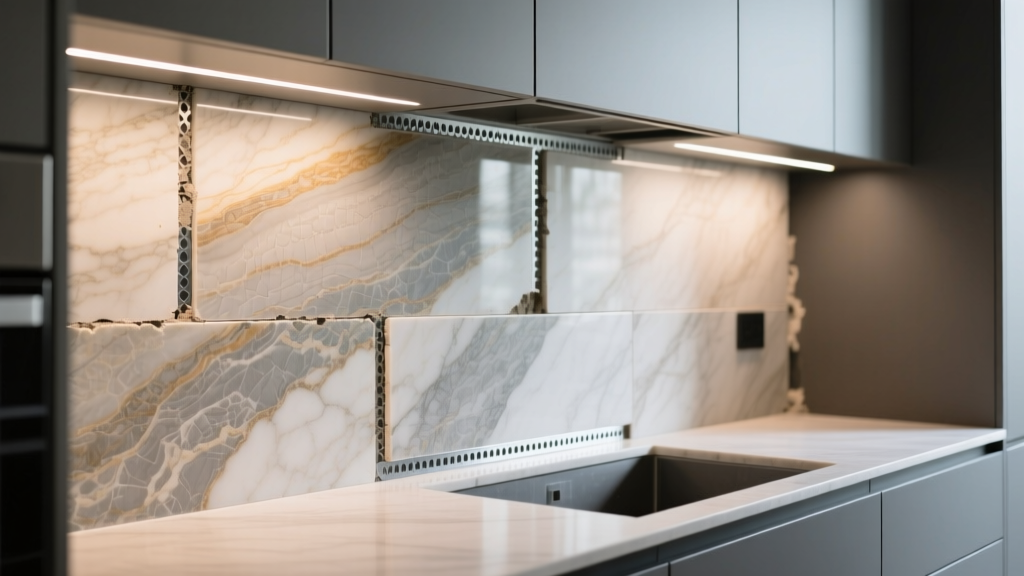
The True Cost of a Veneer Stone Backsplash in 2026
Installing a veneer stone backsplash transforms a standard kitchen into a high-end culinary space, but the pricing structure is fundamentally different from standard ceramic or porcelain tile. Unlike flat subway tile, stone veneer involves variable thicknesses, specialized mortars, and unique preparation requirements that heavily influence the final invoice. In 2026, homeowners can expect to pay between $22 and $55 per square foot for a professionally installed stone veneer backsplash, with the national average for a standard 30-square-foot kitchen landing at approximately $1,150.
Quick Cost Summary (Per Square Foot)
- Low-End (Faux Polyurethane / DIY): $8 - $14 / sq. ft.
- Mid-Range (Manufactured Ledgestone): $22 - $35 / sq. ft.
- High-End (Natural Thin Quartzite/Slate): $40 - $55+ / sq. ft.
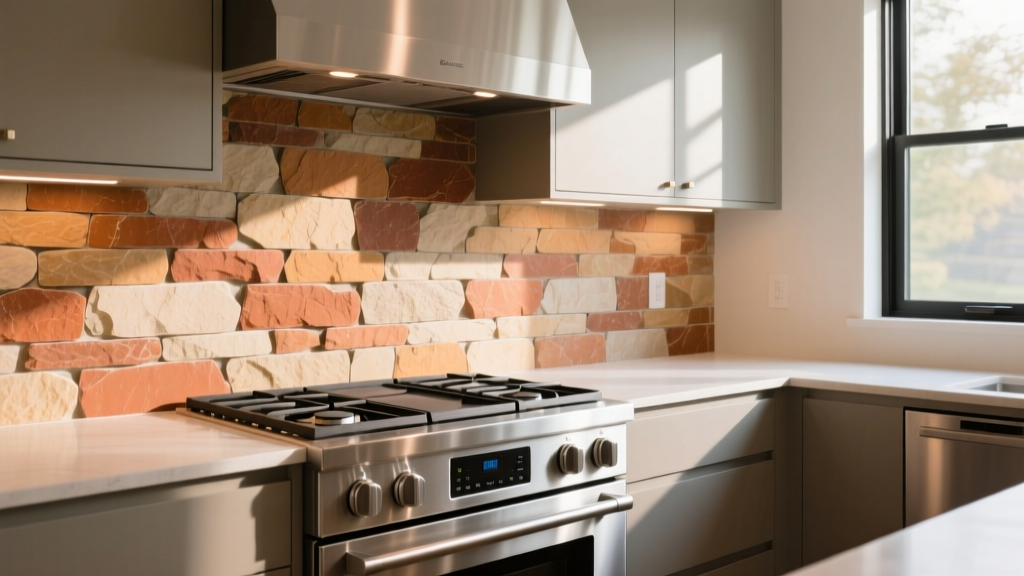
Material Cost Matrix: Natural vs. Manufactured vs. Faux
The largest variable in your budget is the material itself. Stone veneer is categorized into three distinct tiers, each with different weight profiles, cutting requirements, and price points. Understanding these differences is critical for structural planning and labor estimation.
| Material Type | Cost (Per Sq. Ft.) | Weight | Cutting Method |
|---|---|---|---|
| Natural Thin Veneer (e.g., Quartzite, Slate) | $14 - $28 | 10 - 15 lbs | Wet saw with diamond blade |
| Manufactured Stone (e.g., Cultured Stone, Eldorado) | $8 - $16 | 7 - 10 lbs | Masonry saw or heavy-duty nippers |
| Polyurethane Faux (e.g., GenStone, Texture Plus) | $4 - $9 | ~1 lb | Standard wood chop saw |
While polyurethane panels offer massive labor savings and can be glued directly to painted drywall using construction adhesive, they lack the thermal mass and authentic light refraction of real stone. For high-end kitchen remodels, manufactured ledgestone or natural thin veneer remains the standard. According to the National Kitchen & Bath Association, natural stone and high-fidelity manufactured veneers consistently rank among the top requested premium kitchen finishes for their tactile depth and longevity.
Labor and Preparation: Where Budgets Actually Break
Contractors do not price stone veneer backsplashes the same way they price ceramic tile. The irregular thickness of stone (often varying by 1/2 inch to 1 inch between adjacent pieces) requires a highly skilled mason or specialized tile setter. Based on current wage data for tile and stone setters from the U.S. Bureau of Labor Statistics, skilled labor rates in metropolitan areas frequently exceed $75 per hour. Expect to pay $15 to $30 per square foot strictly for installation labor.
The Drywall Deflection Problem
Standard 1/2-inch drywall is not rated to hold the sheer weight of natural stone veneer long-term, especially in environments with high humidity and temperature fluctuations. If your existing backsplash is just drywall, a contractor must either tear it out and install 1/2-inch cement backer board (like Durock) or overlay it with 1/4-inch HardieBacker. This preparation adds $2.50 to $4.00 per square foot to the project. Skipping this step risks catastrophic adhesive failure, where the stone pulls the paper face off the drywall and crashes onto your countertop.
The Outlet Cutout Penalty
This is the most frequently overlooked cost in stone veneer projects. Standard kitchen backsplashes use thin tile (3/8 inch), allowing standard electrical outlet covers to sit flush. Stone veneer is 1 to 2 inches thick. Under the National Electrical Code (NEC), outlet boxes cannot be set back more than 1/4 inch from a combustible surface, and must be flush with non-combustible surfaces like stone.
To accommodate the thickness of the stone, an electrician must pull the existing boxes forward, or the tile setter must install specialized deep masonry box extenders. Furthermore, cutting precise rectangular holes into natural stone for outlets is incredibly time-consuming and carries a high risk of snapping the stone. Contractors routinely add a $150 to $350 flat surcharge for electrical cutouts and box extensions on a standard 30 sq. ft. backsplash.
⚠️ Warning: Sealing Behind Gas Ranges
If you are installing natural stone veneer (especially porous options like limestone or unsealed slate) directly behind a gas stove, it must be treated with a high-temperature, food-safe penetrating impregnator sealer, such as Miracle Sealants 511. Airborne grease and cooking oils will permanently stain unsealed natural stone within weeks. Budget an additional $60 to $90 for professional sealing, and plan to reapply it every 18 to 24 months. Manufactured concrete-based veneers are slightly less porous but still require a silane/siloxane sealer to prevent grease absorption and efflorescence.
Step-by-Step Cost Accumulation for a 30 Sq Ft Kitchen
To provide a realistic framework, here is the exact cost accumulation for a standard 30-square-foot kitchen backsplash using mid-tier manufactured ledgestone (e.g., Eldorado Stone) installed by a professional over existing drywall.
- Demolition & Disposal: Removing existing tile and disposing of debris. ($150 - $250)
- Substrate Preparation: Installing 1/4-inch cement backer board over studs and taping seams with alkali-resistant mesh. ($120)
- Waterproofing: Applying a liquid membrane like RedGard to protect the backer board from mortar moisture and kitchen spills. ($65)
- Material Purchase: 35 sq. ft. of manufactured flat veneer (accounting for 15% waste) at $11/sq. ft. ($385)
- Mortar & Supplies: Polymer-modified thinset (e.g., Laticrete 254 Platinum) required for the heavy weight and irregular backs of stone, plus mixing paddles and spacers. ($110)
- Professional Installation Labor: 16 hours of skilled masonry labor at $65/hour, including layout, cutting, setting, and grouting. ($1,040)
- Electrical Adjustments: Outlet box extensions and precise stone cutting for four standard kitchen outlets. ($220)
- Sealing & Cleanup: Application of penetrating sealer and final haze removal. ($110)
Total Estimated Project Cost: $2,200 (Approx. $73 per square foot fully burdened).
Hidden Costs and Common Pricing Mistakes
When soliciting bids from contractors, homeowners often fall victim to lowball estimates that exclude critical accessories. Ensure your contractor's quote explicitly addresses the following line items:
- Corner Pieces: Manufactured stone veneer is sold in two ways: flat pieces by the square foot, and corner pieces by the linear foot. Corner pieces wrap around outside edges (like a peninsula or window return) and typically cost 30% to 50% more per linear foot than the flat pieces. A kitchen with multiple outside corners will see material costs spike rapidly.
- Ledger Board Installation: Because stone is heavy, installers cannot rely on the countertop to support the bottom row if there is a gap, nor can they rely on thinset to hold the stone to the wall while it cures. They must screw temporary wooden ledger boards into the wall to support the first course. This adds 1-2 hours of labor and requires spackling and painting the wall below the backsplash afterward.
- Grout vs. Dry-Stack: Dry-stack installation (no visible grout lines) is highly popular for ledgestone but requires significantly more labor. The installer must back-butter every single piece and fit them tightly together to prevent shadows and gaps. Expect a 15% to 20% labor premium for dry-stack applications compared to standard grouted fieldstone.
- Under-Cabinet Lighting Integration: If you have LED puck lights or tape lighting under your upper cabinets, the harsh directional light will cast severe, elongated shadows across the uneven surface of stone veneer. You may need to upgrade to diffused linear LED channels to prevent the backsplash from looking visually chaotic, adding $200 to $400 to your electrical budget.
By understanding the structural demands, material nuances, and hidden electrical requirements of stone veneer, you can accurately budget for your kitchen remodel and avoid the mid-project change orders that derail timelines and finances. Always verify that your installer carries specific masonry or heavy-tile certification, as standard ceramic tile installers frequently lack the mortar-management skills required for thick, irregular stone profiles.
Written by
David NakamuraDavid Nakamura is a licensed architect (AIA) and construction technology writer focused on sustainable building methods, mass timber engineering, and high-performance building envelopes. He holds a Master of Architecture from the University of Washington and is a certified Passive House Consultant (CPHC). David spent eight years at the Seattle firm Mithun, where he led the design of three LEED Platinum projects, before founding his own practice specializing in net-zero residential design. He serves on the editorial advisory board of GreenBuilder Magazine and has authored peer-reviewed papers on cross-laminated timber (CLT) connections for the Journal of Structural Engineering. In his spare time, David teaches woodworking at Pratt Fine Arts Center and kayaks the Puget Sound.
More from David Nakamura
View all
Construction Cost
Labor Cost to Build a Deck Per Sq Ft: 2026 Installation Guide
Discover the exact labor cost to build a deck per sq ft in 2026. This installation guide breaks down contractor rates, complexity factors, and hidden fees.
Aug 4, 2026

Construction Cost
How Much Does It Cost to Build a 3 Bedroom House? Financing Guide
Learn exactly how much it costs to build a 3 bedroom house and explore 2026 financing options, construction loan types, and budget frameworks for your build.
Aug 4, 2026

Construction Cost
Cost to Build a Tennis Court: 2026 Guide
How much does it cost to build a tennis court in 2026? Breakdowns for asphalt, concrete, and synthetic surfaces plus fencing and lighting.
Jul 30, 2026