Typical Cost to Build an Ecommerce Site for Sustainable Materials
Discover the typical cost to build an ecommerce site for sustainable building materials, including green hosting, EPD cataloging, and B2B selection criteria.
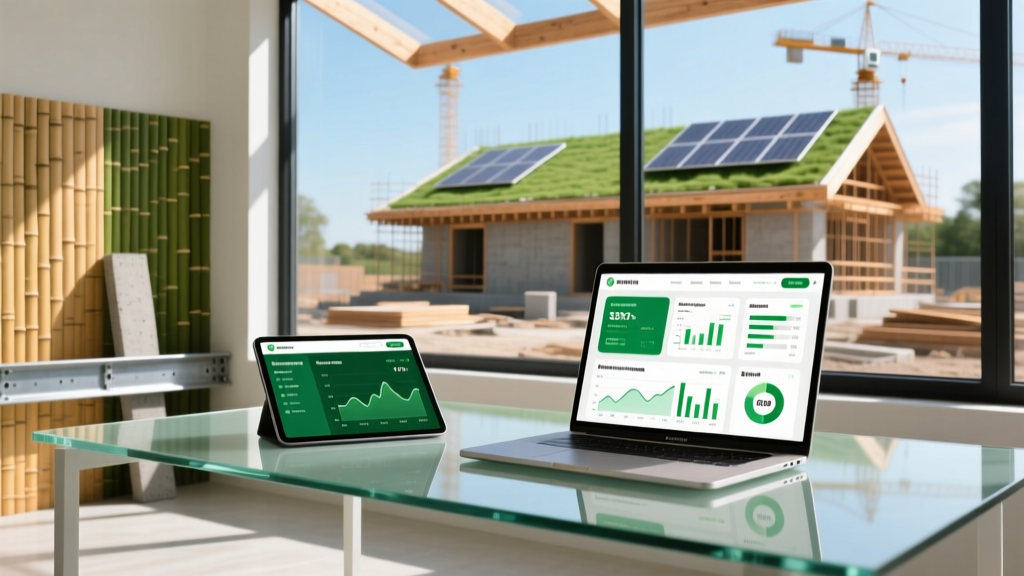
The Digital Supply Chain for Green Building Materials
As the construction industry accelerates toward net-zero targets in 2026, manufacturers and distributors of eco-friendly building materials are rapidly digitizing their procurement channels. Sourcing recycled steel, low-VOC finishes, and bio-based insulation now requires sophisticated B2B digital storefronts. However, evaluating the typical cost to build an ecommerce site for heavy, specialized construction supplies requires looking far beyond standard retail metrics. Stakeholders must account for complex LTL (Less Than Truckload) freight integrations, Environmental Product Declaration (EPD) hosting, and the digital carbon footprint of the platform itself.
This guide outlines the precise selection criteria and financial investments required to launch a high-performance, sustainable B2B ecommerce platform tailored for the green building materials sector.
Breakdown: The Typical Cost to Build an Ecommerce Site for Heavy Materials
Standard retail ecommerce builds rarely accommodate the logistical realities of building materials. Shipping a pallet of hempcrete blocks or a custom order of recycled glass countertops requires specialized freight APIs and tiered B2B pricing engines. Below is a realistic 2026 cost matrix for developing a specialized sustainable materials platform.
| Development Phase | Core Functionality | Estimated Cost Range (2026) |
|---|---|---|
| UX & Catalog Architecture | High-res 3D material rendering, advanced faceted search (e.g., filtering by LEED credit contribution), mobile-responsive B2B portals. | $12,000 - $25,000 |
| B2B Logic & Pricing Engines | Custom contractor tier pricing, bulk volume discounts, quick-order pads, ERP integration (SAP/NetSuite). | $15,000 - $35,000 |
| LTL Freight & Logistics APIs | Integration with Echo Global Logistics or Freightquote for real-time palletized shipping rates and carbon-offset freight options. | $8,000 - $18,000 |
| Sustainability & EPD Integrations | Automated EPD document generation, EcoCart API for carbon-neutral checkout, structured data for green building certifications. | $6,000 - $14,000 |
| Green Hosting & Edge CDN | Renewable-powered cloud infrastructure, edge-caching to minimize server-side energy consumption per page load. | $3,500 - $8,000 / year |
For a mid-market sustainable building supplier, the total initial capital expenditure typically lands between $45,000 and $85,000, with enterprise-level custom builds exceeding $150,000.
Selection Criteria 1: Digital Carbon Footprint and Green Hosting
A platform selling eco-friendly materials must practice what it preaches. The digital infrastructure of your ecommerce site carries a measurable carbon footprint. Heavy, high-resolution images of natural stone veneers and reclaimed wood textures require significant data transfer, which translates directly to energy consumption.
Optimizing Frontend Energy Consumption
- Edge Caching: Utilize Content Delivery Networks (CDNs) powered by renewable energy to serve static assets (images, CSS) from nodes closest to the user, reducing data travel distance and server load.
- Dark Mode Defaults: For OLED screens, offering a dark mode UI reduces device-level energy consumption during prolonged B2B procurement sessions.
- Next-Gen Image Formats: Mandate AVIF or WebP formats for all material swatches. These formats reduce file sizes by up to 50% compared to JPEGs without sacrificing the visual fidelity required for architectural selection.
Selection Criteria 2: EPD Hosting and LEED Compliance Features
Commercial architects and general contractors do not just buy materials; they buy compliance. To achieve credits under the U.S. Green Building Council (USGBC) LEED v4.1 Building Product Disclosure and Optimization (BPDC) framework, buyers require immediate access to verified Environmental Product Declarations (EPDs) and Health Product Declarations (HPDs).
Your ecommerce platform must treat these documents as structured, searchable data rather than static PDF links buried in a footer.
Required B2B Compliance Features
- Automated EPD Attachments: When a contractor adds a specific low-VOC adhesive to their cart, the system must automatically append the corresponding EPD and Safety Data Sheet (SDS) to the digital order confirmation and procurement dashboard.
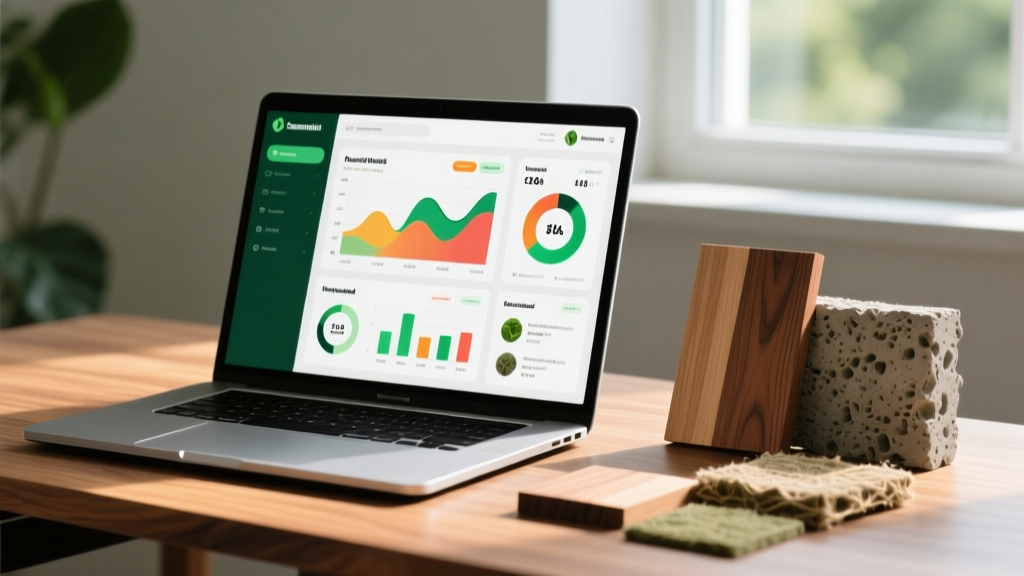
- LEED Credit Calculators: Integrate a dashboard widget that calculates the potential LEED material credits a buyer will earn based on their current cart composition, referencing Environmental Protection Agency (EPA) guidelines on green building standards.
- Embodied Carbon Metrics: Display the Global Warming Potential (GWP) of each SKU directly on the product detail page (PDP), allowing procurement officers to compare the carbon intensity of traditional fiberglass insulation versus recycled denim alternatives side-by-side.
Platform Comparison Matrix: B2B Green Material Suitability
Choosing the underlying CMS and ecommerce engine is the most critical architectural decision. Below is a comparison of the top enterprise platforms based on their suitability for sustainable B2B building materials.
| Platform | B2B Freight & Pricing Logic | Sustainability & EPD Data Handling | Total Cost of Ownership (3-Year) |
|---|---|---|---|
| Shopify Plus (B2B) | Strong via third-party apps (e.g., SparkLayer). Requires custom API work for complex LTL pallet logic. | Excellent headless capabilities allow for ultra-lightweight, low-carbon frontend frameworks (Next.js). | $120,000 - $180,000 |
| BigCommerce B2B | Native B2B features are robust. Excellent out-of-the-box support for complex price lists and quote management. | Open SaaS architecture allows deep custom database fields for EPD metadata and GWP tracking. | $95,000 - $140,000 |
| Adobe Commerce (Magento) | Unmatched native B2B functionality. Handles massive SKU counts and complex ERP integrations natively. | Highly customizable but requires heavy server resources, potentially increasing the digital carbon footprint if not optimized on green cloud infrastructure. | $180,000 - $250,000+ |
Finalizing Your Sustainable Digital Strategy
Investing in a digital storefront for sustainable building materials is an exercise in aligning your digital infrastructure with your physical product ethos. When budgeting for the typical cost to build an ecommerce site in this niche, prioritize platforms that support headless architectures, native B2B freight logic, and structured compliance data. By selecting green hosting partners and embedding EPD transparency directly into the procurement flow, your platform will serve not just as a sales channel, but as a vital tool in the global transition toward net-zero construction.
Written by
James ThorntonJames Thornton is a construction industry veteran with 25 years of hands-on experience in wood framing, lumber grading, and residential building codes. He started as a framing carpenter in rural Oregon, earned his ICC Residential Building Inspector certification, and eventually became a senior plan reviewer for the City of Portland Bureau of Development Services. James holds a B.S. in Wood Science & Technology from Oregon State University and is a certified lumber grader through the West Coast Lumber Inspection Bureau (WCLIB). He has inspected over 3,000 residential construction sites and authored the city's internal guide on advanced framing techniques (2x6 at 24" O.C.). James lives in Bend, OR, where he builds custom timber-frame cabins and competes in lumberjack sports.
More from James Thornton
View all
Insulation
Best Home Insulation Materials: Complete 2026 Guide
Compare top home insulation materials for 2026. Find R-values, installed costs per square foot, and best uses for fiberglass, spray foam, and mineral wool.
Aug 4, 2026

Sustainable Building
Certify Your Green Building Material for LEED and WELL
Step-by-step guide to certifying a green building material for LEED v5 and WELL v2. Master EPDs, HPDs, and VOC limits for 2026 project specifications.
Aug 4, 2026

Stone & Masonry
Veneer Stacked Stone Panels: Interior Design & Style Showcase
Discover how veneer stacked stone panels transform interiors. Explore modern design profiles, material pairings, and technical installation specs.
Aug 4, 2026