Evaluating Nichiha: Durable Exterior Cladding Cost Breakdown
Analyze 2026 Nichiha fiber cement cladding costs. Detailed breakdown of material, labor, and hidden rainscreen expenses for architectural wall panels.
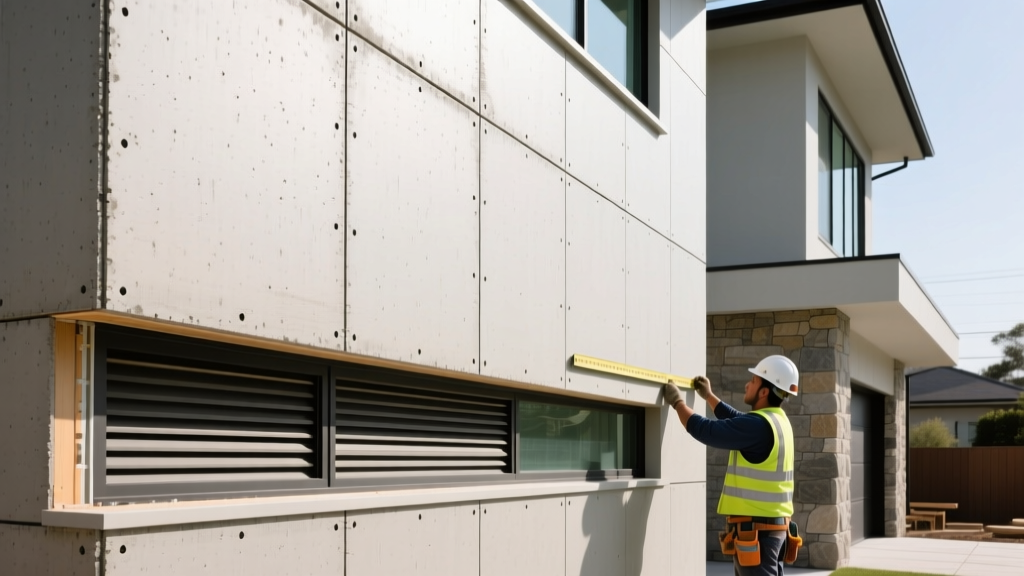
The Premium Tier: Why Nichiha Commands a Higher Price Point
When architects and high-end custom builders evaluate the building materials company Nichiha on durable exterior cladding, they are rarely comparing it to standard vinyl or basic fiber cement lap siding. Nichiha operates in the premium panelized cladding market. Unlike traditional nailed lap siding, Nichiha’s core offerings—specifically the Architectural Wall Panels (AWP), Illumination Series, and VintageWood lines—utilize a hidden-fastener, ventilated rainscreen system. This fundamental shift in assembly dictates a completely different cost structure, requiring specialized accessories, precise substrate preparation, and higher initial capital.
Standard fiber cement brands like James Hardie typically cost between $4.00 and $7.00 per square foot for materials. Nichiha’s material costs start around $9.50 and can exceed $16.00 per square foot. This premium buys you 16mm to 35mm thick panels (compared to the industry standard 5/16-inch), factory-applied multi-coat finishes with micro-ceramic UV protection, and an integrated air gap that manages bulk water and vapor diffusion without requiring separate furring strips.
2026 Material Cost Matrix by Product Line
Pricing fluctuates based on regional distributor markups, finish complexity, and panel thickness. The following matrix outlines the baseline material costs for Nichiha’s primary residential and commercial cladding lines as of early 2026.
| Product Line | Panel Thickness | Finish Technology | Material Cost (per sq. ft.) | Primary Application |
|---|---|---|---|---|
| VintageWood / Cedar | 16mm (5/8") | Multi-layer print & emboss | $9.50 - $11.50 | Residential accents, modern farmhouse |
| Architectural Wall Panels (AWP) | 16mm - 21mm | Smooth, textured, or brick | $11.00 - $13.50 | Commercial facades, modern residential |
| Illumination Series | 16mm (5/8") | Metallic, mica, high-gloss | $13.50 - $16.50 | High-end architectural feature walls |
| Heavy Commercial Panels | 35mm (1-3/8") | Ultra-dense, impact resistant | $18.00 - $24.00+ | Institutional, high-traffic commercial |
The Hidden Rainscreen Costs: Accessories and Flashing
The most common budgeting error when specifying Nichiha is calculating only the square footage of the wall planes. Nichiha’s Architectural Wall Panels rely on a proprietary interlocking clip system. You cannot use standard roofing nails or blind-nail the panels through the face. The accessory ecosystem adds a mandatory 15% to 22% to your total material invoice.
Proprietary Fasteners and Tracks
- Starter Tracks & J-Channels: Anodized aluminum perimeter tracks cost approximately $8.00 to $14.00 per linear foot. Every penetration, window, and roofline requires specific trim profiles.
- Stainless Steel Clips: The hidden clips that secure the panels to the sheathing and create the 3/8-inch ventilation gap cost roughly $1.25 to $1.85 per square foot of wall area.
- Color-Matched Touch-Up Kits: Because cutting the panels exposes the raw fiber cement core, factory-matched edge sealant and touch-up paint kits are mandatory for warranty compliance, adding $150 to $300 per project.
- Corner Pieces: Prefabricated external and internal aluminum corners run $25.00 to $45.00 per linear foot, eliminating the need for mitering but increasing the line-item budget.
Expert Callout: Weather Resistive Barrier (WRB) Compatibility
Nichiha’s integrated clips create a 3/8-inch air gap, functioning as a ventilated rainscreen. However, this does not replace the need for a high-quality WRB. According to the U.S. Department of Energy moisture control guidelines, a continuous drainage plane is required behind all ventilated cladding. Specify a fluid-applied membrane or a high-performance housewrap with integrated tape sealing at all sheathing joints to prevent wind-driven rain from bypassing the air gap.
Labor Rates and Installation Realities
Installing Nichiha is closer to hanging commercial metal panels than nailing wood clapboard. General carpenters accustomed to standard HardiePlank often struggle with the strict tolerances required for Nichiha’s interlocking joints. You must hire installers certified in panelized rainscreen systems or commercial envelope contractors.
Substrate Preparation and Tolerances
Nichiha panels are rigid. If your wall framing is bowed or the sheathing is out of plumb, the panels will not lock together correctly, leading to visible seam lines and compromised water shedding. The manufacturer mandates a flatness tolerance of 1/8-inch over a 10-foot span. If the existing substrate fails this test, installers must apply vertical or horizontal furring strips and shim them to a perfect plane. Expect substrate prep to add $1.50 to $3.00 per square foot in labor if the framing is not perfectly true.
Actual Labor Costs
For a perfectly plumb, flat substrate, specialized labor rates for Nichiha installation range from $8.50 to $13.00 per square foot in 2026. This includes laying out the panel grid, installing the aluminum perimeter tracks, snapping chalk lines for the hidden clips, and cutting panels with specialized diamond-tipped polycrystalline (PCD) blades to minimize silica dust and edge chipping.
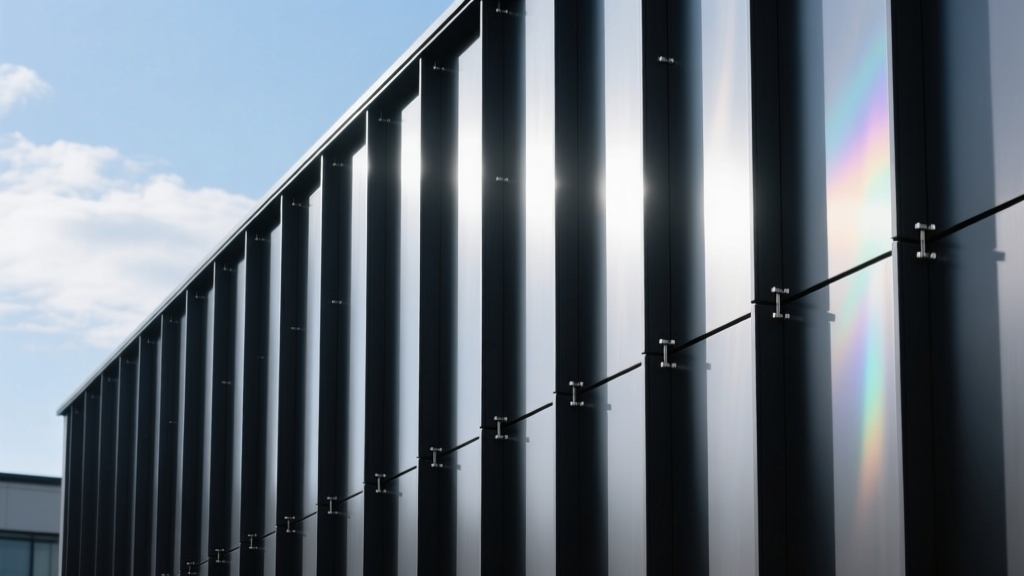
Lifecycle ROI vs. Standard Fiber Cement
To accurately evaluate the building materials company Nichiha on durable exterior cladding, you must look past the initial invoice and calculate the 50-year lifecycle cost. Standard fiber cement requires repainting every 10 to 15 years. At current commercial painting rates of $3.50 to $5.00 per square foot, a 3,000-square-foot exterior will incur $10,500 to $15,000 in maintenance costs over three decades.
Nichiha’s premium finishes utilize a micro-ceramic topcoat that resists UV fading and chalkiness. The company backs the Illumination and AWP lines with robust fade and delamination warranties, detailed in their Nichiha limited warranty documentation. While the initial installed cost of Nichiha ($22.00 to $34.00 per sq. ft. total) is nearly double that of standard painted fiber cement ($12.00 to $18.00 per sq. ft.), the elimination of two to three repaint cycles results in a net-positive ROI by year 20 for commercial properties, and a significant preservation of equity for high-end residential builds.
"The true value of a panelized rainscreen isn't just in the aesthetic of hidden fasteners; it's in the passive drying potential. By decoupling the cladding from the WRB with a continuous air gap, you effectively eliminate the capillary action that causes rot in traditional face-sealed assemblies."
— Building Envelope Consultant, Commercial Architecture Review
Final Specification Verdict
Do not specify Nichiha if the project budget is constrained to standard residential vinyl or basic fiber cement parameters; the accessory costs and labor premiums will break the budget. However, if the architectural design calls for large-format, seamless-appearing modern facades, realistic wood-look accents without the maintenance of real timber, or high-impact commercial durability, Nichiha is a top-tier investment. Ensure your general contractor allocates a specific line item for substrate leveling and mandates the use of factory-approved aluminum flashings rather than field-bent coil stock to maintain the system's weathertight integrity.
Written by
Elena RodriguezElena Rodriguez is a civil engineer and technical writer specializing in concrete technology, masonry systems, and ASTM/ACI compliance. She earned her B.S. in Civil Engineering from Texas A&M University and spent a decade at a materials testing laboratory, performing over 2,000 concrete compressive strength tests and masonry prism evaluations. Elena is an ACI-certified Field Testing Technician (Grade I) and a member of ASTM Committee C12 on Natural Building Stone. She currently consults on forensic engineering cases involving concrete failures and moisture intrusion. Based in San Antonio, TX, Elena is a proud member of the Society of Women Engineers (SWE) and coaches her daughter's FIRST Robotics team.
More from Elena Rodriguez
View all
Walls & Panels
Cost Analysis: Light Gauge Steel Framing Advantages and Disadvantages
Evaluate light gauge steel framing advantages and disadvantages through a strict cost analysis lens, comparing material, labor, and lifecycle expenses.
Aug 4, 2026

Walls & Panels
Gypsum Board Types: Exact Specifications, Thickness & Dimensions
Compare standard, Type X, and moisture-resistant gypsum board types. Get exact specifications, thicknesses, dimensions, and ASTM standards for your project.
Aug 4, 2026

Fire Resistance
Best Fire-Resistant Outdoor Decking Materials: 2026 Buyer Guide
Discover the best fire-resistant outdoor decking materials for 2026. Compare Class A PVC, aluminum, and hardwood options for WUI compliance and safety.
Aug 4, 2026