The Ultimate Playbook for Cleaning Vinyl Shake Siding Safely
Master vinyl shake siding maintenance with our expert cleaning playbook. Learn safe washing limits, deep-groove mold removal, and fading restoration tips.
The Unique Challenge of Vinyl Shake Profiles
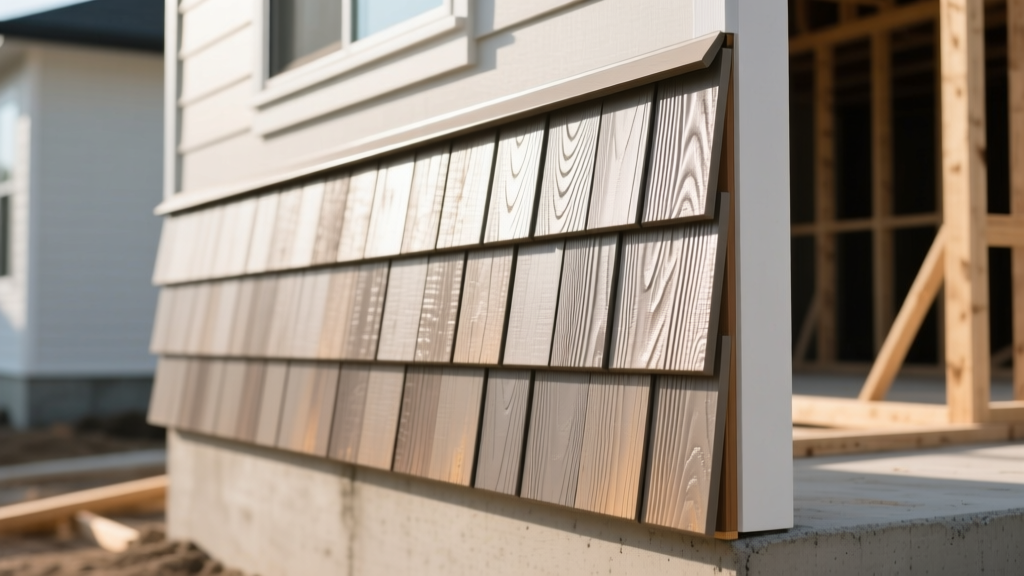
Vinyl shake siding, such as CertainTeed Cedar Impressions or Alside Charter Oak Shake, delivers the architectural depth of real cedar without the susceptibility to rot or insect damage. However, the very features that give vinyl shakes their aesthetic appeal—deep shadow lines, staggered bottom locks, and pronounced textural grooves—create significant maintenance challenges. Unlike flat lap siding, which sheds water and debris efficiently, the 1/2-inch to 3/4-inch deep grooves in simulated cedar shakes trap moisture, pine needles, spider webs, and airborne pollutants.
These deep recesses block direct UV light and restrict airflow, creating localized microclimates where algae, mildew, and black mold thrive. Furthermore, the bottom interlocking lips of shake panels act as catch basins for dirt runoff from the roof and upper stories. Cleaning vinyl shake siding requires a fundamentally different approach than standard horizontal clapboard. Using high-pressure water or harsh chemicals can force moisture behind the weep holes, crack the PVC, or strip the UV-inhibiting topcoats, leading to premature fading and structural warping.
The 4-Step Maintenance Playbook
To maintain the dimensional stability and color retention of your vinyl shakes, follow this bi-annual (spring and fall) cleaning protocol. This playbook prioritizes chemical dwell time over mechanical force, ensuring deep-groove contaminants are neutralized without damaging the substrate.
Step 1: Dry Extraction and Prep
Never apply water or chemicals to dry debris; this creates a mud-like paste that packs deeper into the shake grooves. Begin with a dry extraction phase:
- Leaf Blower Technique: Use a handheld leaf blower with a narrow concentrator nozzle to dislodge pine needles, oak catkins, and dust from the bottom interlocking locks.
- Web Removal: Spider webs frequently anchor to the deep shadow lines of vinyl shakes. Use a dry, soft-bristled dusting brush on a telescoping pole to sweep the webs away before they become wet and adhere to the PVC surface.
- Vegetation Clearance: Trim back any shrubs or vines so they are at least 18 inches away from the siding. According to InterNACHI's vinyl siding inspection standards, maintaining this clearance is critical to prevent moisture retention and physical abrasion against the shake profiles.
Step 2: Chemical Selection and Application
The goal of the chemical phase is to break the surface tension of organic stains and lift them from the textured grooves. Avoid chlorine bleach (sodium hypochlorite), which degrades the plasticizers in vinyl, making the shakes brittle over time. Instead, rely on oxygen-based cleaners or specialized vinyl washes.
| Agent | Active Ingredient | Best Use Case | Vinyl Safety | Dwell Time |
|---|---|---|---|---|
| Oxygen Bleach | Sodium Percarbonate | General dirt, algae, organic stains | Excellent | 10-15 mins |
| TSP (Heavy Duty) | Trisodium Phosphate | Heavy oxidation, grease, deep grime | Good (requires thorough rinse) | 5 mins |
| Vinyl Siding Wash | Quaternary Ammonium | Routine maintenance, light mildew | Excellent | 5-10 mins |
| Chlorine Bleach | Sodium Hypochlorite | Severe black mold (use only as last resort) | Poor (strips plasticizers) | N/A (Avoid) |
Mixing Protocol: For a standard oxygen bleach solution, dissolve 1 cup of powdered sodium percarbonate into 1 gallon of warm water (90°F to 100°F). Apply using a low-pressure garden sprayer, working from the bottom up to prevent streaking. Allow the solution to dwell for 10 to 15 minutes, but never let it dry on the surface. Mist the area with plain water if it begins to dry.
Step 3: Mechanical Agitation
Chemicals alone cannot reach the bottom of 3/4-inch deep cedar shake grooves. Mechanical agitation is mandatory. Use a 24-inch soft nylon bristle brush mounted on a telescoping pole. The nylon bristles are stiff enough to reach into the shadow lines but soft enough to avoid leaving micro-scratches in the PVC. Scrub in a circular motion, paying special attention to the bottom locks where water pools. Never use wire brushes, stiff poly bristles, or abrasive scouring pads, as these will permanently scar the vinyl's matte finish.
Step 4: Controlled Rinsing
Rinsing requires strict pressure and angle control. Vinyl shake panels feature weep holes at the bottom nailing hem designed to let trapped moisture escape. Forcing water upward into these holes or the side laps will trap water behind the siding, leading to sheathing rot.
- Pressure Limit: Never exceed 1,500 PSI. Most residential electric pressure washers (1,200 to 1,800 PSI) are ideal.
- Nozzle Selection: Use a 40-degree white nozzle tip to create a wide, fan-shaped spray pattern that disperses impact force.
- Distance and Angle: Keep the wand at least 4 feet away from the surface. Always angle the spray downward at a 30-degree angle, rinsing from the top down to follow the natural water-shedding path of the overlapping shakes.
Troubleshooting Deep-Groove Failures
Even with a strict cleaning playbook, specific environmental factors can cause localized failures in vinyl shake siding. Use the following diagnostic frameworks to address persistent issues.
Issue: Persistent Mildew in Shadow Lines
Diagnosis: If gray or black spots remain in the deep grooves after a full oxygen bleach treatment, the mildew has rooted into microscopic surface pores.
Solution: The EPA guidelines on mold cleanup recommend targeted mechanical removal for porous surfaces. Use a specialized grout brush or detailing brush with a 3-inch head to manually scrub the shadow lines with a concentrated 50/50 mix of white vinegar and water. The narrow brush head applies focused pressure that a wide siding brush cannot achieve.
Issue: Chalking and Color Oxidation
Diagnosis: Rub a dark cloth firmly against a south-facing shake panel. If a chalky, white residue transfers to the cloth, the UV inhibitors in the top layer of the vinyl have degraded, exposing the raw PVC substrate.
Solution: Cleaning will not fix oxidation; it requires chemical restoration. After a thorough TSP cleaning and rinse, apply a high-quality vinyl protectant containing UV blockers, such as 303 Aerospace Protectant or a dedicated vinyl siding restorer. Apply with a microfiber pad in small sections, buffing to a matte finish to avoid an unnatural glossy appearance.
Issue: Heat Warping on Dark-Colored Shakes
Diagnosis: Darker vinyl shake colors (like deep cedar or slate) absorb significantly more solar radiation. If shakes appear wavy or the bottom locks have disengaged, thermal expansion has exceeded the panel's tolerance.
Solution: This is not a cleaning issue, but a maintenance observation. Ensure that reflective surfaces (like nearby Low-E windows) are not concentrating solar beams onto the dark shakes. During cleaning, never use hot water or steam cleaners on dark vinyl shakes, as the combination of heat and physical pressure will permanently distort the PVC profile.
The 'Never Do This' Warning List
Vinyl is a thermoplastic, meaning its physical properties change drastically with temperature and chemical exposure. Avoid these common maintenance errors that lead to irreversible damage:
- Never pressure wash in freezing temperatures: PVC becomes highly brittle below 40°F (4°C). The impact of a 1,500 PSI water stream on cold vinyl shake siding will shatter the panels and snap the bottom interlocking locks.
- Never use organic solvents: Nail polish remover (acetone), paint thinner, or mineral spirits will instantly melt and cloud the surface of vinyl shakes. Keep these chemicals far away from the siding when painting trim or soffits.
- Never spray upward into the joints: Vinyl siding is designed to shed water flowing downward. Spraying upward forces water past the weather-resistive barrier (WRB), leading to hidden structural damage that won't be visible until the interior drywall stains.
- Never lean ladders directly against the shakes: The deep profiles of vinyl shakes are hollow behind the visible face. The point-load weight of a ladder rail will crush the top edge of the shake panel. Always use a ladder standoff stabilizer.
Long-Term Preservation and Inspection
Cleaning is only half of the maintenance playbook; structural inspection is the other. During your bi-annual washing routine, actively inspect the siding for mechanical failures. Check for loose panels by gently pulling outward on the bottom lock; the panel should move laterally about 1/4 to 1/2 inch to accommodate thermal expansion. If a panel is nailed too tightly, it will buckle when summer temperatures rise.
Inspect the caulking at the J-channels around windows and doors. Vinyl shakes expand and contract significantly more than wood or fiber cement. If the caulk has lost its elasticity and cracked, remove it and replace it with a high-grade, paintable polyurethane sealant (such as OSI QUAD Max) that can handle the extreme movement of the vinyl profiles without tearing away from the substrate.
By adhering to this low-pressure, high-dwell-time cleaning methodology, you preserve the structural integrity of the PVC, maintain the deep shadow lines that give vinyl shakes their premium appearance, and extend the functional lifespan of the cladding system well beyond its standard warranty period.