How Much Does It Cost to Build a Pool in Houston? 2026 Finance Guide
Discover how much it costs to build a pool in Houston in 2026. Explore gunite pricing, clay soil engineering fees, and the best financing options.
The Real Cost to Build a Pool in Houston (2026 Data)
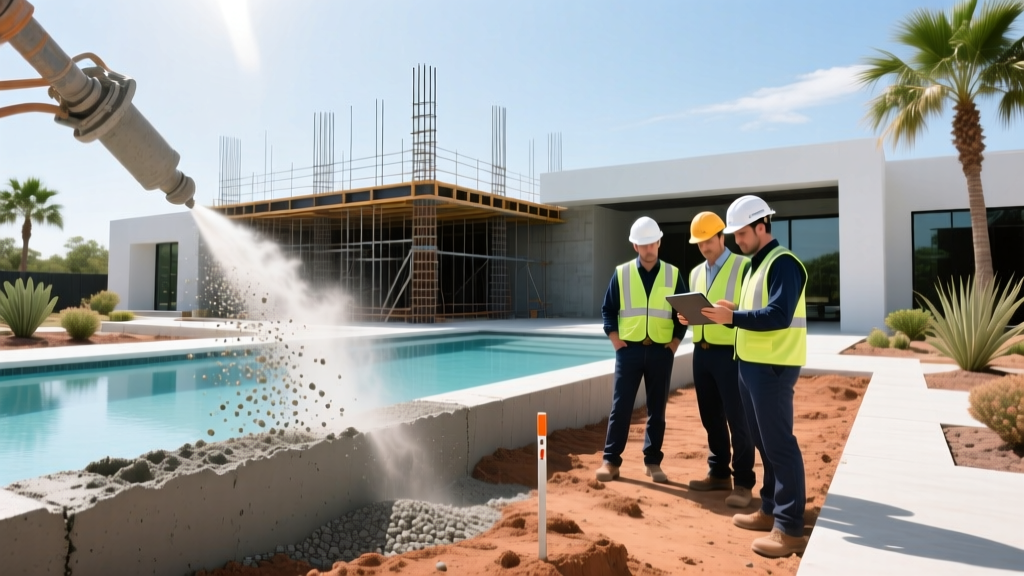
When homeowners ask how much does it cost to build a pool in Houston, the answer requires looking beyond national averages. Houston's unique geology, specific municipal permitting, and local labor markets create a distinct pricing environment. In 2026, the average cost to build a standard 14x28-foot gunite pool in the Greater Houston area ranges from $72,000 to $98,000. However, this baseline shifts dramatically based on soil conditions and financing structures.
2026 Houston Pool Cost Snapshot
Basic Gunite (14x28 ft): $72,000 - $85,000
Premium Custom Gunite (with spa & decking): $95,000 - $140,000+
Fiberglass Shell Installation: $65,000 - $82,000
Required Soil Engineering (Clay Mitigation): $4,500 - $9,000
Houston Pool Construction Cost Breakdown
Unlike regions with stable bedrock, Houston sits atop deep layers of expansive clay. This geological reality dictates both the materials you can use and the engineering required to keep your pool from cracking or lifting.
| Pool Type | Average Houston Cost (14x28) | Houston Suitability | Key Local Considerations |
|---|---|---|---|
| Gunite (Concrete) | $72,000 - $98,000 | Excellent | Industry standard for Houston. Can be reinforced with post-tension cables or drilled piers to resist clay soil movement. |
| Fiberglass | $65,000 - $82,000 | Moderate | Requires crane access. Shell flexibility handles minor soil shifts, but severe clay heaving can still compromise the plumbing connections. |
| Vinyl Liner | $45,000 - $60,000 | Poor | Rarely recommended in Houston. Expansive clay soils easily warp the underlying sand/cement vermiculite floors, leading to liner tears. |
The 'Houston Tax': Expansive Clay Soil Engineering
The most frequently overlooked cost in Houston pool construction is geotechnical engineering. According to data mapped via the USDA Web Soil Survey, the Houston metropolitan area is dominated by Beaumont and Houston Black clay formations. These soils swell significantly when wet and shrink during droughts, exerting thousands of pounds of lateral and vertical pressure on concrete shells.
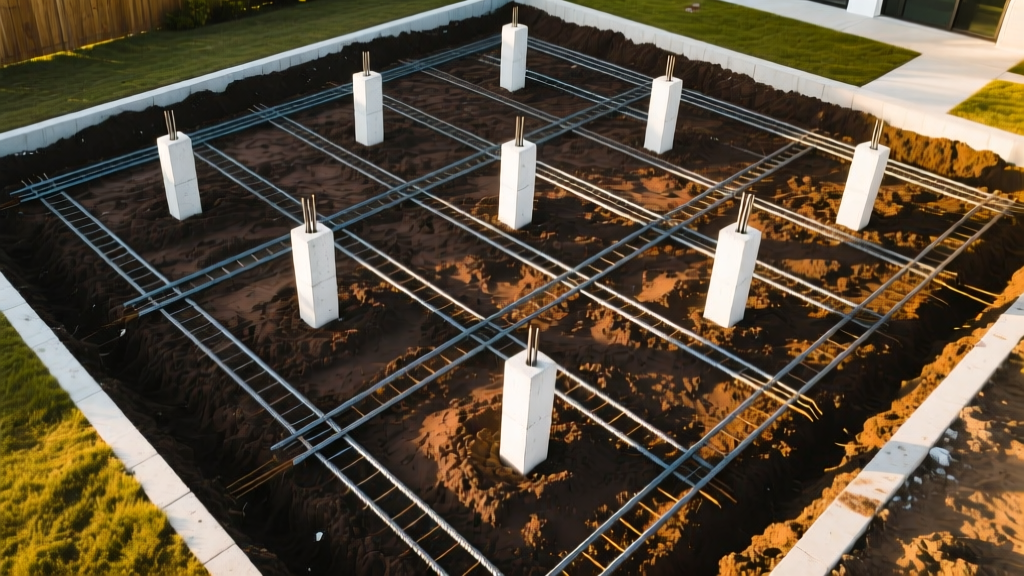
If a Houston pool builder quotes you under $60,000 for a gunite pool without including a third-party geotechnical soil report and structural engineering stamp, they are likely relying on standard rebar grids. In Houston's clay, standard grids will fail. You must budget $2,500 for the soil report and $2,000–$6,500 for drilled bell piers or post-tension cable reinforcement.
Financing Your Houston Pool: 2026 Lender Options
Funding a $85,000 pool requires strategic capital allocation. In 2026, with mortgage rates stabilizing but remaining higher than the early 2020s, the financing hierarchy has shifted. Homeowners must weigh the cost of capital against the liquidity of their assets.
Comparison Matrix: Pool Financing Vehicles
| Financing Method | Est. 2026 Interest Rate | Best For | Drawbacks |
|---|---|---|---|
| HELOC | 7.50% - 8.90% | Homeowners with high equity who want to draw funds in stages as pool construction milestones are met. | Variable rates; requires strict discipline to pay down principal. |
| Home Equity Loan | 6.80% - 7.90% | Borrowers who want a fixed rate and a single lump-sum payout to pay the pool contractor upfront. | Closing costs can add $1,500 - $3,000; ties up home equity. |
| Cash-Out Refinance | 6.50% - 7.20% | Homeowners whose current mortgage rate is close to current market rates and who need to consolidate debt. | Terrible option if your current mortgage rate is under 4%. Resets your loan term to 30 years. |
| Unsecured Personal Loan | 9.50% - 14.00% | Borrowers with low home equity or those who want to close in under 7 days without appraisals. | High interest rates; loan limits typically cap at $50,000 to $75,000, requiring supplemental cash. |
For comprehensive guidance on leveraging home equity safely, the Consumer Financial Protection Bureau (CFPB) provides critical disclosures on the risks of using your home as collateral for luxury improvements. Remember that defaulting on a HELOC or Home Equity Loan can result in foreclosure, unlike an unsecured personal loan.
Step-by-Step: Securing Pool Financing in Harris County
- Order the Geotechnical Report First: Before applying for a loan, spend the $2,500 on a soil test. Lenders require final, binding contractor bids to underwrite a home equity loan. A bid without soil engineering is an estimate, not a contract.
- Obtain Three Itemized Bids: Ensure bids explicitly separate the 'shell construction', 'decking/coping', 'equipment (pumps/heaters)', and 'soil mitigation'. This transparency is required by most underwriters for construction draws.
- Verify Municipal Permitting Costs: If you live within Houston city limits, you must pull permits through the City of Houston One Stop Permitting Center. Budget $400-$600 for pool and barrier permits. If you are in unincorporated Harris, Fort Bend, or Montgomery County, permit fees and inspection requirements will vary, altering your final loan amount.
- Lock Your Rate and Fund: If using a Home Equity Loan, lock your rate immediately upon signing the contractor agreement to protect against market fluctuations during the 30-day closing period.
ROI and Property Tax Implications in Houston
Building a pool in Houston is primarily a lifestyle investment, not a pure financial one. While a pool can increase your home's resale value by 5% to 8% in premium Houston subdivisions (like River Oaks, Memorial, or Sugar Land master-planned communities), it rarely yields a 100% dollar-for-dollar return on investment.
'The most immediate financial impact of a new pool in Houston is not the resale value, but the property tax reassessment. The Harris Central Appraisal District (HCAD) will typically add 40% to 60% of the pool's construction cost to your home's assessed value the following tax year.'
If you finance an $85,000 pool, expect HCAD or your local county appraisal district to increase your property's assessed value by roughly $35,000 to $50,000. At a typical Houston combined property tax rate of 2.1% to 2.3%, this translates to an additional $735 to $1,150 in annual property taxes. You must factor this recurring cost into your monthly financing budget.
Frequently Asked Questions
Does a saltwater pool cost more to build in Houston?
The initial equipment upgrade for a saltwater chlorine generator (SWG) adds $1,500 to $2,500 to the upfront build cost. However, given Houston's intense UV index and long swimming season, saltwater systems reduce annual chemical costs by roughly 40%, paying for the equipment upgrade within 3 to 4 years.
Can I finance the pool landscaping and patio cover in the same loan?
Yes. Most home equity lenders allow you to bundle 'permanent site improvements' into the pool loan. This includes concrete decking, pergolas, outdoor kitchens, and drainage systems. Fencing is also frequently bundled, which is highly recommended since Houston municipal codes mandate strict 4-foot minimum barrier fences with self-closing, self-latching gates for all residential pools.
How long does the financing and construction process take?
Expect 30 to 45 days to close a home equity loan or HELOC. Once funded, Houston pool construction typically takes 90 to 120 days. However, during the peak spring and early summer rush (March through June), contractor backlogs and City of Houston inspection delays can push the timeline to 150 days.
Written by
David NakamuraDavid Nakamura is a licensed architect (AIA) and construction technology writer focused on sustainable building methods, mass timber engineering, and high-performance building envelopes. He holds a Master of Architecture from the University of Washington and is a certified Passive House Consultant (CPHC). David spent eight years at the Seattle firm Mithun, where he led the design of three LEED Platinum projects, before founding his own practice specializing in net-zero residential design. He serves on the editorial advisory board of GreenBuilder Magazine and has authored peer-reviewed papers on cross-laminated timber (CLT) connections for the Journal of Structural Engineering. In his spare time, David teaches woodworking at Pratt Fine Arts Center and kayaks the Puget Sound.
More from David Nakamura
View all
Construction Cost
Labor Cost to Build a Deck Per Sq Ft: 2026 Installation Guide
Discover the exact labor cost to build a deck per sq ft in 2026. This installation guide breaks down contractor rates, complexity factors, and hidden fees.
Aug 4, 2026

Construction Cost
How Much Does It Cost to Build a 3 Bedroom House? Financing Guide
Learn exactly how much it costs to build a 3 bedroom house and explore 2026 financing options, construction loan types, and budget frameworks for your build.
Aug 4, 2026

Construction Cost
Cost to Build a Tennis Court: 2026 Guide
How much does it cost to build a tennis court in 2026? Breakdowns for asphalt, concrete, and synthetic surfaces plus fencing and lighting.
Jul 30, 2026