Cost to Build a Pool in Houston: 2026 Detailed Breakdown
Discover the true cost to build a pool in Houston for 2026. Get a detailed breakdown of excavation, materials, permits, and local climate considerations.
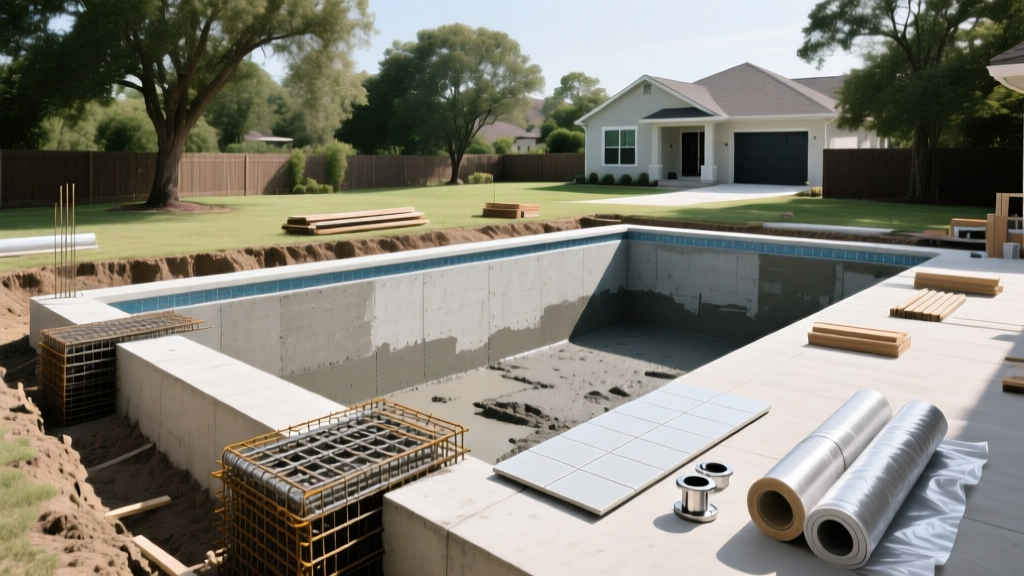
The Reality of Houston Pool Construction in 2026
Building an inground pool in the Greater Houston area requires navigating a unique set of geological and regulatory challenges that do not exist in other parts of the country. As of 2026, the average cost to build a standard 14x28-foot gunite pool in Houston ranges from $95,000 to $135,000. However, this baseline figure frequently shifts based on the specific soil composition of your lot, local water table depths, and Municipal Utility District (MUD) requirements.
Unlike arid regions where excavation is straightforward, Houston's coastal proximity and heavy clay soil demand specialized engineering. According to the Pool & Hot Tub Alliance (PHTA), structural integrity in expansive soil regions is the leading cause of budget overruns when not properly addressed during the design phase. This guide provides a granular, line-item breakdown of what Houston homeowners actually pay to construct a custom inground pool.
Material Viability Matrix: Gunite vs. Fiberglass vs. Vinyl
Not all pool types survive Houston's environment. The high water table and soil movement dictate which materials are viable long-term investments.
| Material | Avg. Houston Cost | Houston Viability | Primary Risk Factor |
|---|---|---|---|
| Gunite (Concrete) | $95,000 - $150,000+ | Excellent | Requires 12-inch thick shell with #3 rebar on 10-inch centers to resist soil sheer. |
| Fiberglass | $75,000 - $110,000 | Moderate | High risk of 'popping' out of the ground if drained during heavy spring rains due to hydrostatic pressure. |
| Vinyl Liner | $55,000 - $85,000 | Poor | Steel walls rust rapidly in Houston's humidity; ground shifting tears liners within 3-5 years. |
Line-Item Cost Matrix: A Standard 14x28 Gunite Pool
The following breakdown reflects 2026 pricing for a mid-tier, 14x28-foot freeform gunite pool with a tanning ledge, PebbleTec interior, and travertine coping in a standard Houston suburban lot (e.g., Katy, Sugar Land, or The Woodlands).
| Construction Phase | Estimated Cost | Houston-Specific Notes |
|---|---|---|
| Design & Structural Engineering | $2,500 - $3,500 | Requires a Texas PE (Professional Engineer) stamp due to expansive clay. |
| Permits & MUD Fees | $800 - $1,800 | Varies wildly between City of Houston and unincorporated Harris County MUDs. |
| Excavation & Spoil Haul-off | $9,500 - $12,000 | Houston landfills charge premium tipping fees for wet gumbo clay disposal. |
| Dewatering (If Required) | $1,500 - $3,500 | Wellpoint systems needed if water table is struck above 5 feet. |
| Plumbing & Electrical Rough-in | $10,500 - $13,000 | Schedule 40 PVC and 2-inch suction lines; requires licensed TX master plumber. |
| Steel Reinforcement & Gunite | $32,000 - $38,000 | 12-inch thick shotcrete shell with post-tension cables for soil stability. |
| Coping, Tile & Interior Finish | $18,000 - $24,000 | PebbleTec finish and travertine coping (resists Houston heat better than concrete). |
| Equipment & Automation | $9,500 - $14,000 | Variable speed pumps, UV sanitation, and smart automation panels. |
| Decking & Final Cleanup | $12,000 - $18,000 | 600 sq ft of poured concrete or pavers; includes fence repair and grading. |
| Total Estimated Project Cost | $96,300 - $127,800 | Excludes outdoor kitchens, pergolas, or extensive landscaping. |
Hidden Costs Specific to the Greater Houston Area
Expansive Gumbo Clay Engineering
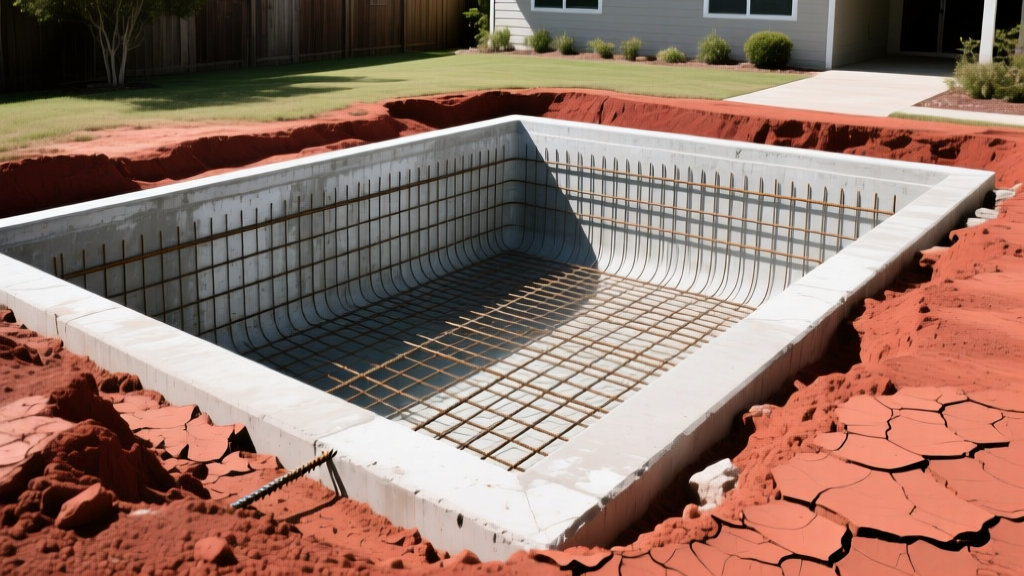
According to soil data from the Texas A&M AgriLife Extension, the Houston region is dominated by heavy clay soils that exert massive lateral and uplift pressure on concrete structures. If your builder does not include a structural engineering plan specifically addressing soil plasticity, your pool shell will likely develop structural cracks within the first three years. Upgrading from standard #3 rebar to a post-tension cable system or installing concrete-drilled piers down to stable load-bearing strata can add $3,500 to $7,000 to your contract, but it is non-negotiable for long-term survival.
Dewatering and High Water Table Management
Houston's flat topography and proximity to the Gulf of Mexico mean the water table is notoriously high, particularly in areas like League City, Pearland, and Cypress. When excavators dig past 4 to 6 feet, they frequently hit standing water. Builders must install wellpoint dewatering systems to keep the hole dry enough to shoot gunite. If your contract does not explicitly state who bears the cost of dewatering, you will be hit with a change order mid-excavation.
Municipal Utility District (MUD) and Permitting Fees
If you live outside Houston city limits in a master-planned community, you are likely governed by a MUD. MUDs have their own architectural control committees and utility easement rules. You may need to pay for a private locator service to mark underground water and sewer lines before digging, and some MUDs require a refundable construction deposit ($1,000 - $2,500) to cover potential damage to community sidewalks during material delivery.
Equipment Upgrades for the Texas Climate
Houston's 100+ degree summers and heavy spring pollen seasons demand robust pool equipment. Standard equipment packages will struggle to keep up.
- Variable Speed Pumps: Upgrading to a Pentair IntelliFlo3 VSF or Hayward EcoLogic pump is essential. Running the pump at lower RPMs for longer periods saves up to 70% on electricity while keeping the surface skimmed during heavy pollen drops.
- UV or Ozone Sanitation: High heat causes chlorine to off-gas rapidly. Installing a UV-C sanitization system reduces chlorine demand by up to 50%, preventing the harsh chemical smell and eye irritation common in Houston pools during August.
- Oversized Skimmers and Cartridge Filters: Houston experiences severe thunderstorms that dump massive amounts of leaves and debris into the pool. Upgrade to 15-inch wide skimmer throats and a minimum 400-square-foot cartridge filter to prevent the system from choking during storm season.
Step-by-Step: Navigating Houston Pool Permits
The permitting process in Houston is notoriously strict compared to rural Texas counties. The City of Houston One-Stop Permitting Center requires precise documentation. Here is the standard sequence:
- Property Survey & HOA Approval: Obtain a recent boundary survey and submit your pool plan to your HOA architectural committee. (2-4 weeks)
- Engineering Seal: Have a Texas-licensed Professional Engineer (PE) stamp the structural pool plans, specifically certifying the steel schedule for local soil conditions. (1-2 weeks)
- Utility Locates: Call 811 to mark public utilities, and hire a private locator for any private lines (sprinklers, septic, private sewer laterals). (1 week)
- Submit to Building Department: Submit the stamped plans, energy compliance forms, and master plumber/electrician licenses to the city or county permitting office. (2-4 weeks for review)
- Barrier Inspection: Before the pool is filled, the city inspector must verify that your yard fence meets the 6-foot height and self-latching gate requirements mandated by Texas state law.
Expert Verdict: What to Demand in Your Contract
When reviewing bids from Houston pool builders, do not simply look at the bottom line. A bid that is $15,000 cheaper than the competition is almost certainly omitting structural engineering, assuming a low water table, and using standard 8-inch gunite shells. Demand that your contract explicitly lists a 12-inch minimum gunite thickness, #3 or #4 steel rebar on 10-inch centers, a structural PE stamp, and a clearly defined allowance for dewatering. Protecting your investment against Houston's aggressive soil and water conditions is the only way to ensure your pool lasts for decades.
Written by
David NakamuraDavid Nakamura is a licensed architect (AIA) and construction technology writer focused on sustainable building methods, mass timber engineering, and high-performance building envelopes. He holds a Master of Architecture from the University of Washington and is a certified Passive House Consultant (CPHC). David spent eight years at the Seattle firm Mithun, where he led the design of three LEED Platinum projects, before founding his own practice specializing in net-zero residential design. He serves on the editorial advisory board of GreenBuilder Magazine and has authored peer-reviewed papers on cross-laminated timber (CLT) connections for the Journal of Structural Engineering. In his spare time, David teaches woodworking at Pratt Fine Arts Center and kayaks the Puget Sound.
More from David Nakamura
View all
Construction Cost
Labor Cost to Build a Deck Per Sq Ft: 2026 Installation Guide
Discover the exact labor cost to build a deck per sq ft in 2026. This installation guide breaks down contractor rates, complexity factors, and hidden fees.
Aug 4, 2026

Construction Cost
How Much Does It Cost to Build a 3 Bedroom House? Financing Guide
Learn exactly how much it costs to build a 3 bedroom house and explore 2026 financing options, construction loan types, and budget frameworks for your build.
Aug 4, 2026

Construction Cost
Cost to Build a Tennis Court: 2026 Guide
How much does it cost to build a tennis court in 2026? Breakdowns for asphalt, concrete, and synthetic surfaces plus fencing and lighting.
Jul 30, 2026