Brown Stone Veneer Review: Natural vs Manufactured 2026
Compare brown stone veneer options for 2026. We analyze natural vs. manufactured styles, pricing, weight, and top brands like Eldorado and Cultured Stone.
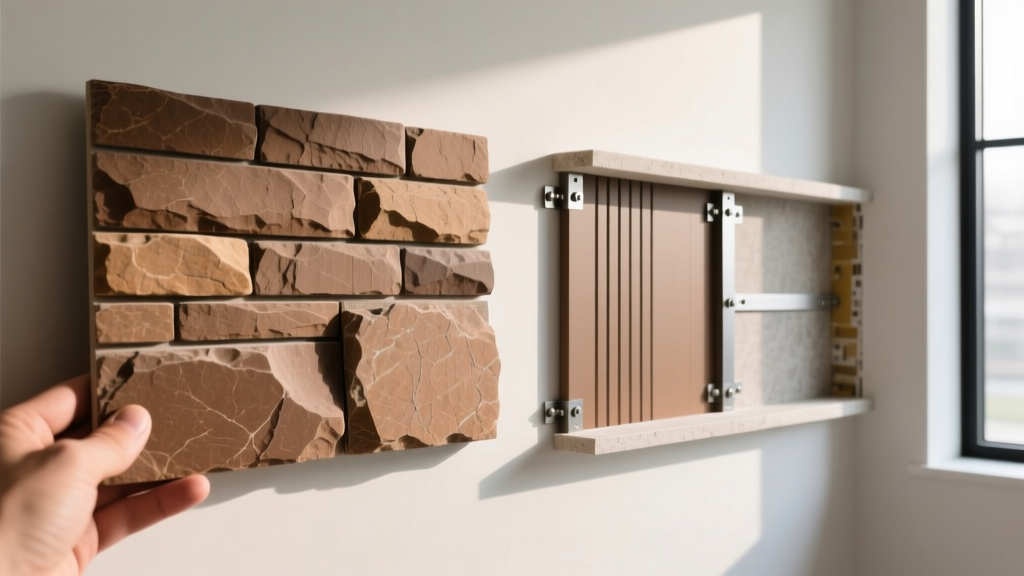
The Architectural Appeal of Brown Stone Veneer
Brown stone veneer remains a dominant force in exterior and interior cladding, bridging the gap between rustic craftsman heritage and modern farmhouse aesthetics. The warm, earthy tones inherent in brown stone profiles create high visual contrast against dark timber beams, black window sashes, and crisp white stucco. However, specifying the right brown stone veneer requires navigating a complex matrix of material composition, structural weight limits, and moisture management protocols. In this comprehensive comparison, we evaluate natural thin veneer against manufactured concrete alternatives, dissecting specific product lines, installed costs, and critical installation edge cases for 2026 construction standards.
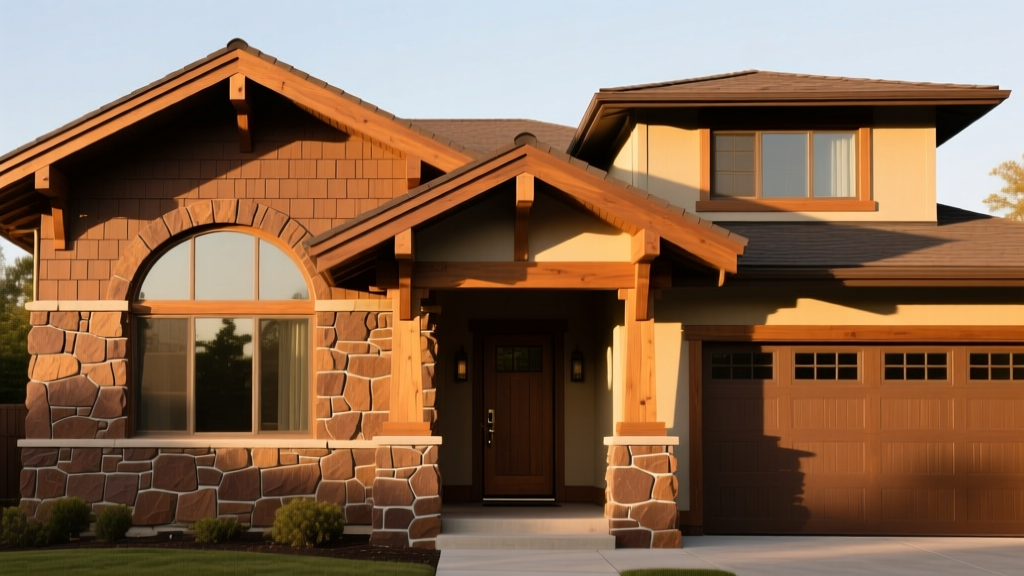
Core Material Comparison: Manufactured vs. Natural Thin Veneer
The primary decision point for architects and builders is choosing between manufactured stone veneer (MSV) and natural thin stone veneer (NTSV). While both deliver the aesthetic of full-bed masonry, their physical properties dictate entirely different structural and installation requirements.
| Feature | Manufactured Brown Veneer (MSV) | Natural Thin Brown Veneer (NTSV) | Full-Bed Natural Stone |
|---|---|---|---|
| Average Weight | 7.5 - 9.5 lbs / sq. ft. | 10 - 14 lbs / sq. ft. | 35 - 45 lbs / sq. ft. |
| Thickness | 1.5" - 3.0" | 0.75" - 1.5" | 3.0" - 6.0"+ |
| Color Consistency | High (Batch controlled) | Variable (Quarry dependent) | Highly Variable |
| Freeze-Thaw Standard | ASTM C1670 | ASTM C666 | ASTM C666 |
| Substrate Requirement | Wood/Metal studs with lath | Wood/Metal studs with lath | Concrete block or structural ties |
Manufactured stone veneer is cast from lightweight concrete aggregates and iron-oxide pigments. The brown colorways are achieved by layering synthetic oxides during the casting process, ensuring that the color penetrates the entire thickness of the unit. Natural thin veneer, conversely, is sliced from quarried stone (such as Oklahoma flagstone or Sierra blend) using diamond-blade gang saws. While NTSV offers unmatched geological authenticity, its higher density requires stricter substrate deflection limits—typically restricted to L/600 to prevent cracking in the mortar joints.
Top Manufactured Brown Stone Veneer Profiles Reviewed
When specifying manufactured brown stone, the market is dominated by a few key manufacturers who have perfected their pigment formulations and mold-making processes. Here is how the top contenders compare for 2026 projects.
Eldorado Stone: Fieldstone Profile in "Cedar"
Eldorado Stone’s Fieldstone profile mimics the loose, rounded stones found in riverbeds. The "Cedar" colorway is a sophisticated blend of warm browns, subtle tans, and muted charcoal undertones.
- Weight: 9.0 lbs / sq. ft.
- Best Application: Exterior wainscoting, interior fireplace surrounds.
- Expert Insight: The Cedar blend requires a medium-gray Type N mortar to allow the warm brown pigments to stand out. Using a stark white mortar will artificially cool the facade and flatten the visual depth.
Cultured Stone (Westlake): Dressed Stone in "Brown"
Cultured Stone, now under the Westlake Royal Building Products umbrella, offers the Dressed Stone profile, which features more squared, chiseled edges compared to river rock. Their standard "Brown" colorway leans heavily into rich, chocolatey earth tones with occasional oxidized rust highlights.
- Weight: 8.5 lbs / sq. ft.
- Best Application: Modern farmhouse exteriors, commercial retail facades.
- Expert Insight: Because Dressed Stone features flatter faces, it is highly susceptible to "stacking" (a repetitive visual pattern). Installers must strictly follow the 4-to-1 rule: no more than four stones of the exact same dimension should be placed within a 16-square-foot area.
Coronado Stone: Weathered Stone in "Autumn Blend"
Coronado’s Weathered Stone profile offers a highly textured, fractured surface that mimics decades of wind and water erosion. The "Autumn Blend" incorporates deep mahogany browns mixed with burnt orange and golden ochre.
- Weight: 8.0 lbs / sq. ft.
- Best Application: Rustic cabin exteriors, wine cellars, accent walls.
- Expert Insight: The deep crevices in the Weathered Stone profile make it a poor choice for high-splash zones (like the base of exterior walls near soil) where mud and organic debris can accumulate in the stone's voids.
True Cost Analysis: Material and Labor Metrics
Budgeting for brown stone veneer requires looking beyond the per-box material cost. The total installed price is heavily influenced by substrate preparation, mortar selection, and the complexity of the profile. Below is a realistic cost breakdown for a standard 1,000-square-foot exterior elevation in 2026.
| Cost Component | Manufactured Veneer (MSV) | Natural Thin Veneer (NTSV) |
|---|---|---|
| Material (Stone) | $7.50 - $12.00 / sq. ft. | $13.00 - $21.00 / sq. ft. |
| Lath & Fasteners | $1.20 / sq. ft. | $1.20 / sq. ft. |
| Mortar & Scratch Coat | $1.80 / sq. ft. | $1.80 / sq. ft. |
| Labor (Installation) | $14.00 - $18.00 / sq. ft. | $18.00 - $26.00 / sq. ft. |
| Total Installed Cost | $24.50 - $33.00 / sq. ft. | $34.00 - $48.00 / sq. ft. |
Labor costs for natural thin veneer are approximately 20-30% higher than manufactured stone. This is because NTSV lacks the standardized corner pieces found in MSV systems. Masons must manually miter or wrap natural stones at outside corners, a time-consuming process that requires specialized wet saws and skilled craftsmanship.
Critical Installation Edge Cases and Substrate Prep
The most common failure mode for brown stone veneer is not the stone itself, but the moisture management system behind it. According to the National Veneer Masonry Association, improper flashing and the omission of weep screeds account for over 70% of veneer delamination and interior water intrusion claims.
Never terminate stone veneer directly onto a concrete slab or deck surface. Building codes require a minimum 4-inch clearance above grade and a 2-inch clearance above paved surfaces. A corrosion-resistant weep screed must be installed at the base of the wall to allow trapped moisture to escape. Failing to install a weep screed will result in hydrostatic pressure building up behind the lath, eventually blowing the stone off the wall during freeze-thaw cycles.
When preparing the substrate, the choice of weather-resistive barrier (WRB) is critical. While standard housewraps (like Tyvek) are vapor-permeable, they can trap liquid water if the stone mortar bonds directly to the wrap. Best practice dictates using two layers of Grade D asphalt-impregnated felt paper over wood sheathing. The first layer acts as the primary drainage plane, while the second layer protects the first from the alkaline degradation caused by the Portland cement in the scratch coat mortar. For a deeper technical breakdown of WRB integration, Fine Homebuilding's masonry guides provide excellent visual cross-sections of compliant wall assemblies.
Mortar Selection: Type S vs. Type N
For brown stone veneer, mortar compressive strength must be carefully matched to the stone. Manufactured stone veneer requires a Type N mortar (750 psi), typically mixed at a ratio of 1 part Portland cement, 1 part hydrated lime, and 6 parts masonry sand. Using a harder Type S mortar (1,800 psi) on manufactured stone is a critical error; the rigid mortar will not accommodate minor thermal expansion, leading to hairline cracking in the stone units themselves rather than the joints. Natural thin veneer, being denser and less porous, can safely utilize Type S mortar for enhanced shear strength.
Decision Framework: Selecting the Right Profile
Choosing the correct brown stone veneer requires aligning the project's structural constraints, budget, and aesthetic goals. Use this framework to finalize your specification:
- Choose Manufactured Veneer (MSV) if: Your project involves wood-frame construction with standard 2x6 studs, you require pre-cast 90-degree corner pieces to speed up labor, or your budget is capped below $35 per installed square foot. Eldorado’s Fieldstone in Cedar is the optimal choice for high-end residential exteriors.
- Choose Natural Thin Veneer (NTSV) if: The project demands absolute geological authenticity, the substrate is reinforced masonry or concrete block, and the budget allows for $40+ per square foot. Specify Sierra Blend thin veneer for projects requiring high-contrast, multi-tonal brown and rust variations.
- Avoid High-Profile Textures in Dusty Climates: If the building is located in an arid, high-wind, or heavily forested environment, avoid deep-crevice profiles like Coronado’s Weathered Stone. Opt for flatter profiles like Cultured Stone’s Dressed Stone to minimize maintenance and organic buildup.
Ultimately, the longevity of a brown stone veneer installation relies less on the brand of the stone and more on the rigor of the moisture management details. By pairing the correct mortar type with a drained and back-ventilated air space, builders can ensure the facade remains structurally sound and visually striking for decades.
Written by
Sarah WhitfieldSarah Whitfield is a chartered quantity surveyor (MRICS) and construction cost analyst with 15 years of experience in material pricing, procurement strategy, and project budgeting. She earned her degree in Construction Management from the University of Reading (UK) and has worked on projects ranging from $2M custom homes to $180M mixed-use developments across North America and Europe. Sarah currently leads cost estimating for BuildMat Insight, maintaining a proprietary database of 4,000+ material price points updated quarterly. She is a frequent contributor to RSMeans cost data panels and has presented at the International Cost Engineering Council (ICEC) congress. Based in Denver, CO, Sarah is an avid trail runner and volunteer mentor for Women in Construction.
More from Sarah Whitfield
View all
Wood & Lumber
What Are the Different Types of Wood? A Builder's Guide
Compare structural softwoods, finish hardwoods, and engineered lumber. Analyze Janka ratings, MOE values, and 2026 pricing for construction.
Aug 4, 2026

Walls & Panels
Steel Framing vs Wood Framing: Corrosion and Moisture Defense
Compare steel framing vs wood framing for moisture resistance. Learn about galvanized coatings, condensation risks, and corrosion protection strategies.
Jul 21, 2026

Stone & Masonry
How to Cut Stone Veneer: Wet Saw vs Grinder Comparison
Compare the best tools for cutting stone veneer. We review wet saws, angle grinders, and chop saws to help you achieve clean, chip-free cuts.
Jul 21, 2026