Cost of Stone Veneer Per Square Foot: 2026 Technical Specs
Analyze the cost of stone veneer per square foot in 2026. We break down material specs, weight limits, substrate needs, and hidden installation variables.
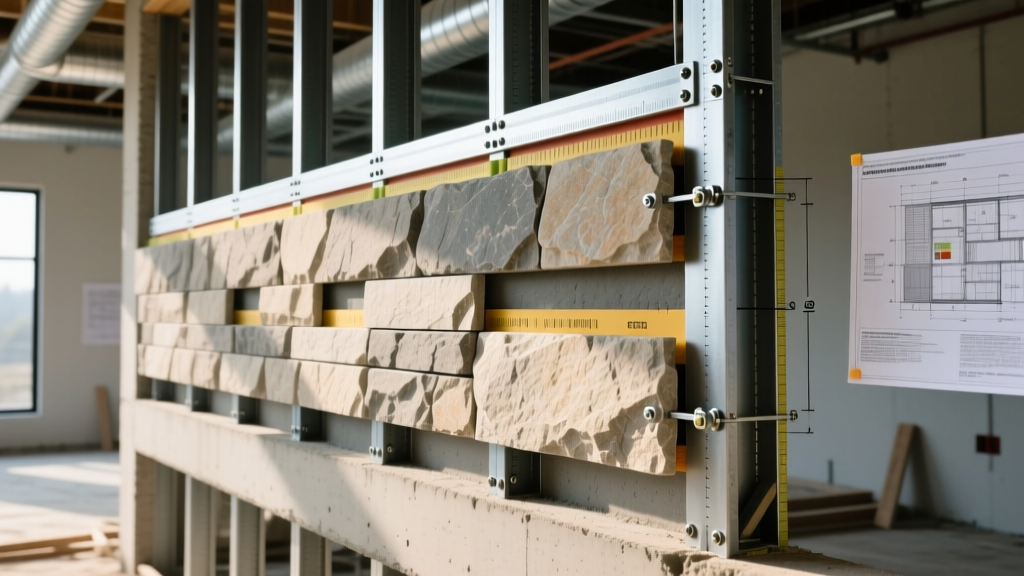
Material Specifications Driving the Base Cost
Calculating the true cost of stone veneer per square foot requires moving beyond retail material pricing. The final installed cost is dictated by substrate preparation, ASTM material standards, and profile-specific labor multipliers. In 2026, the market is primarily divided into Manufactured Stone Masonry Veneer (MSMV) and Natural Thin Stone Veneer (NTSV), each governed by distinct structural and compositional specifications.
Manufactured stone is cast from Portland cement, lightweight aggregates, and iron oxide pigments. Under ASTM C1670 standards, MSMV must meet strict compressive strength and freeze-thaw durability requirements. Natural thin veneer, conversely, is quarried and sawn to a reduced thickness, retaining the geological density of the original stone but significantly lowering the dead load compared to full-bed masonry.
| Material Type | Average Thickness | Weight (lbs/sq ft) | Compressive Strength | 2026 Base Material Cost |
|---|---|---|---|---|
| Manufactured Stone (MSMV) | 0.5" - 2.5" | 10 - 15 lbs | ≥ 2,000 PSI | $6.50 - $12.00 |
| Natural Thin Veneer (NTSV) | 0.75" - 1.5" | 13 - 20 lbs | Varies (Geological) | $9.00 - $18.50 |
| Full-Bed Natural Stone | 3.0" - 6.0" | 35 - 50+ lbs | Varies (Geological) | $14.00 - $28.00 |
While full-bed stone is occasionally used in high-end commercial applications, residential and light-commercial projects overwhelmingly specify MSMV or NTSV to avoid the cost of structural footing reinforcement.
Substrate Load Limits and Structural Reinforcement
The cost of stone veneer per square foot increases exponentially when the existing substrate cannot support the material's dead load. Standard 2x4 or 2x6 wood-framed walls with OSB or plywood sheathing can typically support up to 15 pounds per square foot (psf) without additional engineering. Metal stud framing (20-gauge or lighter) requires specialized structural analysis and often necessitates horizontal bridging or heavier gauge studs to prevent deflection.
For exterior applications, a corrosion-resistant weep screed (minimum 0.019-inch thick galvanized steel or PVC) must be installed at the base of the wall to maintain a minimum 2-inch clearance from soil or 0.5-inch clearance from paved surfaces. This prevents capillary moisture action and protects the bottom course from soil-borne salts.
Mortar, Lath, and Weather Barrier Specifications
The hidden costs in stone veneer installation lie in the preparatory layers. A failure in the weather-resistive barrier (WRB) or mortar matrix will lead to efflorescence, spalling, or complete veneer detachment. According to the Masonry Contractors Association of America, proper substrate preparation is non-negotiable for long-term adhesion.
- Weather-Resistive Barrier (WRB): Two layers of Grade D building paper or a high-performance fluid-applied membrane. Cost: $0.40 - $0.85 per sq ft.
- Metal Lath: 2.5 lb/yd² galvanized, self-furring diamond mesh lath. Must be attached with corrosion-resistant nails or staples penetrating the studs by a minimum of 1 inch. Cost: $0.75 - $1.10 per sq ft.
- Scratch Coat: A 0.5-inch thick layer of Type S mortar applied to the lath and horizontally raked to create a mechanical key. Cost: $0.90 - $1.30 per sq ft.
- Setting Mortar: Type S mortar is mandatory for exterior veneer due to its high tensile bond strength (minimum 1,800 PSI). Type N is only acceptable for interior, climate-controlled applications. Cost: $0.60 - $0.90 per sq ft.
When calculating the total cost of stone veneer per square foot, these preparatory materials consistently add $2.65 to $4.15 to every square foot before the stone itself is even unboxed.
Labor Variables Based on Profile Complexity
Labor rates for masonry veneer installation are rarely flat. Masons charge based on the complexity of the stone profile, which dictates the cutting, fitting, and jointing time required. In 2026, skilled masonry labor ranges from $65 to $95 per hour, translating to varying per-square-foot costs based on the pattern.
• Stacked / Ledgestone: $12.00 - $15.00 / sq ft. (Linear cuts, minimal jointing, fastest installation).
• Ashlar / Cut Stone: $16.00 - $19.00 / sq ft. (Requires consistent 0.5-inch mortar joints, leveling, and precise corner wrapping).
• Fieldstone / Rubble: $19.00 - $24.00 / sq ft. (Irregular shapes require extensive 'puzzle-fitting', custom chipping, and deep raked joints).
Furthermore, corner pieces are typically sold and installed by the linear foot, not the square foot. Manufactured stone corners range from $8.00 to $14.00 per linear foot, while natural stone corners can exceed $22.00 per linear foot. A standard residential exterior with multiple window returns and building corners can see a 15% increase in total labor costs strictly due to corner fabrication and installation.
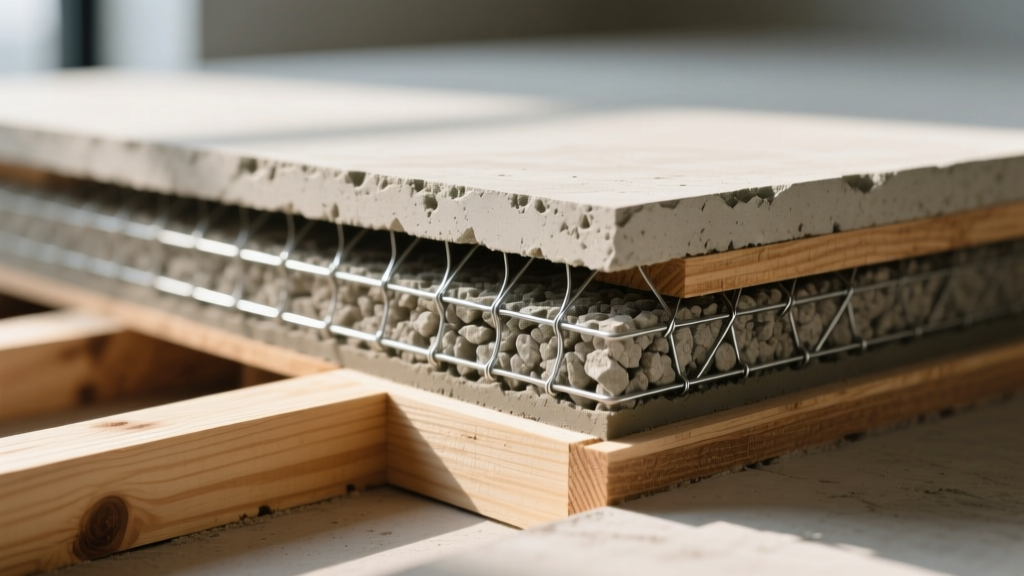
Hidden Technical Costs: Cutting Waste and Efflorescence Prevention
Estimators frequently under-calculate the cost of stone veneer per square foot by ignoring kerf loss (the material destroyed by the saw blade) and profile-specific waste factors. While a standard 10% waste factor is applied to basic materials, complex profiles demand higher overage.
"When specifying dry-stacked ledgestone, you can maintain a 7-10% waste factor. However, if you are installing an irregular fieldstone profile with large, distinct rocks, you must order a minimum of 15-18% overage. The mason will discard up to a fifth of the material to achieve a natural, non-repetitive aesthetic without compromising the structural bond."
Finally, efflorescence prevention is a critical technical specification that impacts long-term cost. Efflorescence—the white, powdery salt deposit on the stone surface—occurs when water-soluble salts migrate through the Portland cement matrix. To prevent this, specify a breathable, silane/siloxane-based penetrating sealer applied 28 days after installation. Do not use film-forming acrylic sealers, which trap moisture and cause spalling during freeze-thaw cycles. High-quality siloxane sealers cost $0.35 to $0.60 per square foot and require reapplication every 5 to 7 years, representing a vital ongoing maintenance cost that must be factored into the lifecycle analysis of the building envelope.
For comprehensive installation tolerances and flashing details, always consult the specific manufacturer's technical data sheet, such as the Eldorado Stone Installation Guidelines, which provide exact mortar mix ratios and clearance specifications required to maintain the product warranty.
Written by
Elena RodriguezElena Rodriguez is a civil engineer and technical writer specializing in concrete technology, masonry systems, and ASTM/ACI compliance. She earned her B.S. in Civil Engineering from Texas A&M University and spent a decade at a materials testing laboratory, performing over 2,000 concrete compressive strength tests and masonry prism evaluations. Elena is an ACI-certified Field Testing Technician (Grade I) and a member of ASTM Committee C12 on Natural Building Stone. She currently consults on forensic engineering cases involving concrete failures and moisture intrusion. Based in San Antonio, TX, Elena is a proud member of the Society of Women Engineers (SWE) and coaches her daughter's FIRST Robotics team.
More from Elena Rodriguez
View all
Walls & Panels
Cost Analysis: Light Gauge Steel Framing Advantages and Disadvantages
Evaluate light gauge steel framing advantages and disadvantages through a strict cost analysis lens, comparing material, labor, and lifecycle expenses.
Aug 4, 2026

Walls & Panels
Gypsum Board Types: Exact Specifications, Thickness & Dimensions
Compare standard, Type X, and moisture-resistant gypsum board types. Get exact specifications, thicknesses, dimensions, and ASTM standards for your project.
Aug 4, 2026

Fire Resistance
Best Fire-Resistant Outdoor Decking Materials: 2026 Buyer Guide
Discover the best fire-resistant outdoor decking materials for 2026. Compare Class A PVC, aluminum, and hardwood options for WUI compliance and safety.
Aug 4, 2026