Faux Stone Veneer Accent Walls: 2026 Interior Design Guide
Explore 2026 faux stone veneer design trends for accent walls, range hoods, and vanities. Compare HDPU and MSV materials, costs, and installation tips.
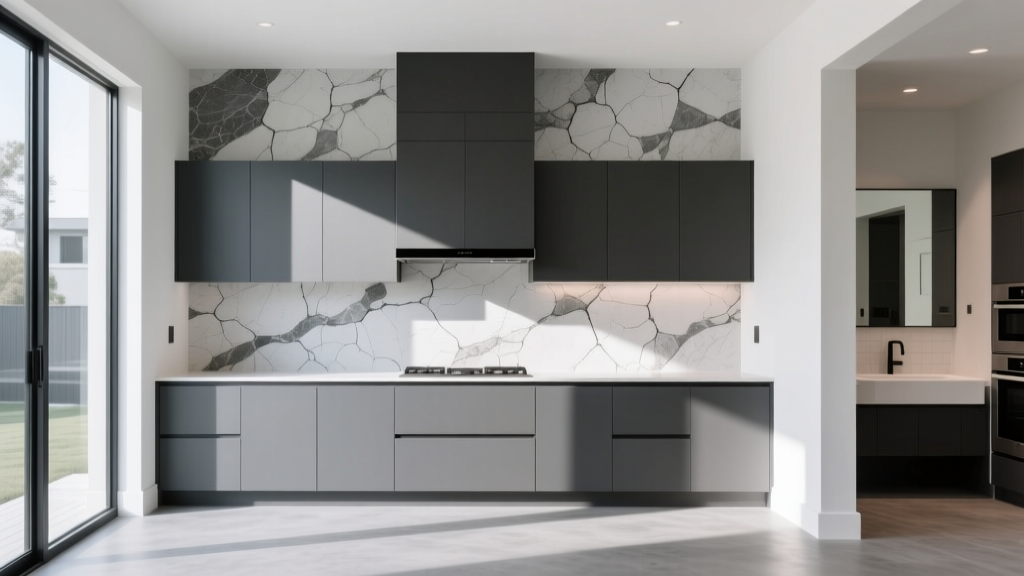
The Evolution of Faux Stone Veneer in Interior Design
Once relegated to exterior skirting and DIY mailbox wraps, faux stone veneer has undergone a radical transformation in material science and aesthetic fidelity. In 2026, interior designers and architects routinely specify high-end manufactured profiles to anchor open-concept spaces, clad kitchen range hoods, and create biophilic bathroom sanctuaries. However, the term 'faux stone' encompasses two fundamentally different material categories, and confusing them is the leading cause of project failure and code violations.
The first category is High-Density Polyurethane (HDPU) panels. Brands like GenStone and NextStone engineer these from rigid closed-cell foam molds taken directly from natural stone. They weigh roughly 1.5 lbs per square foot and interlock via shiplap edges. The second category is Cement-Based Manufactured Stone Veneer (MSV), such as Cultured Stone or Coronado. MSV is a Portland cement and pumice aggregate mixture cast in molds. It weighs 8 to 12 lbs per square foot and requires traditional masonry installation.
According to National Kitchen and Bath Association (NKBA) design trends, textured, organic accent walls remain a dominant feature in luxury renovations, but the demand for rapid-install, low-mess materials has pushed HDPU panels to the forefront of cosmetic interior upgrades.
Material Matrix: HDPU Panels vs. Cement-Based MSV
Selecting the correct faux stone veneer requires matching the material's physical properties to the application's environmental and structural demands. The table below outlines the critical specifications for interior applications.
| Specification | HDPU Panels (e.g., GenStone, Texture Plus) | Cement-Based MSV (e.g., Cultured Stone) |
|---|---|---|
| Weight | 1.2 - 1.8 lbs / sq. ft. | 8.0 - 12.0 lbs / sq. ft. |
| Material Cost | $11.00 - $16.50 / sq. ft. | $7.00 - $13.00 / sq. ft. |
| Installation Method | Construction adhesive + finishing nails | Wire lath, scratch coat, Type S mortar |
| Thickness Profile | 1.5' - 2.5' off the wall | 2.0' - 4.0' off the wall |
| Combustibility | Combustible (strict heat clearances apply) | Non-combustible (ideal for tight firebox surrounds) |
| Cutting Method | Standard wood miter saw or reciprocating saw | Masonry blade, angle grinder, or nippers |
2026 Interior Design Showcases: Styling Faux Stone
The Modern Farmhouse Kitchen Hood
The kitchen range hood is the most technically demanding application for faux stone veneer due to heat and grease exposure. For a modern farmhouse aesthetic, designers are heavily favoring dry-stack ledger profiles in muted tones like 'Keystone' or 'Weathered Wood'. When using HDPU panels for a hood surround, you must adhere to strict building codes regarding combustibility. Most local codes, referencing NFPA guidelines, mandate a minimum 30-inch clearance from the cooking surface to any combustible material. If your hood design requires the stone to extend closer to the cooktop, you must transition to a non-combustible cement-based MSV or install a custom stainless steel heat shield behind the HDPU panels.
Biophilic Bathroom Spa Walls
Integrating stone into wet areas creates a grounding, spa-like atmosphere. The current trend involves pairing dark, textured stacked stone behind floating vanities with integrated LED mirror lighting. While HDPU panels are inherently waterproof, the joints are the vulnerability. In a steam-heavy bathroom, moisture can penetrate the shiplap seams and degrade the drywall substrate behind the panels. To execute this correctly, the wall must first be sealed with a liquid waterproofing membrane (like RedGard) before the panels are adhered. Furthermore, all seams and inside corners must be sealed with a high-grade, mold-resistant polyurethane sealant rather than standard acrylic painter's caulk, which will yellow and peel in high-humidity environments.
Industrial Media Console Backdrops
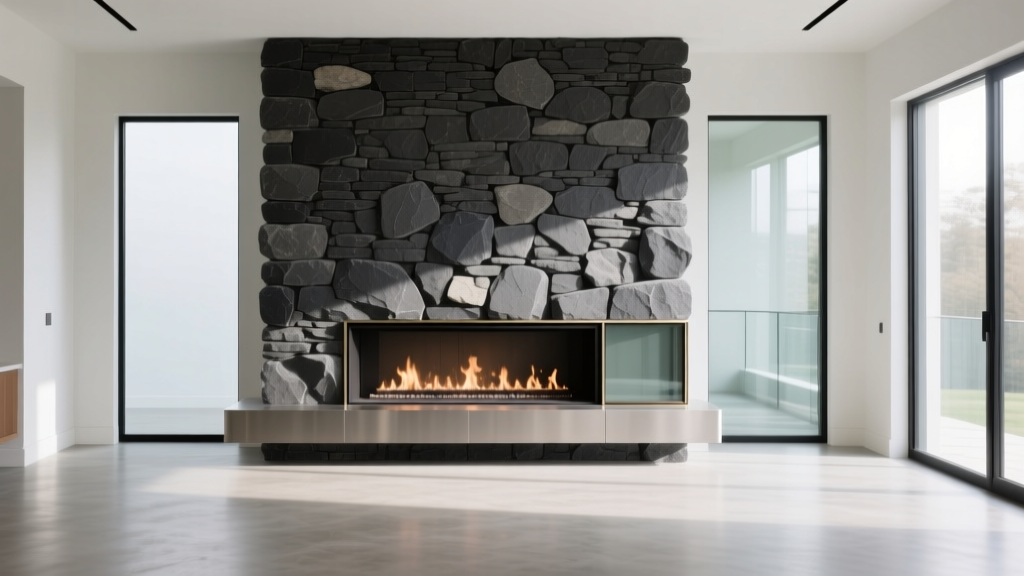
For living room media walls, designers are moving away from flat, monolithic stone planes and instead utilizing 'shadow gap' installations. By mounting HDPU ledger stone panels with a deliberate 1-inch horizontal gap every three courses, installers can recess WAC Lighting InvisiLED 24V LED channels into the wall. Washing the stone face with 2700K warm light from above creates dramatic, high-contrast shadows that emphasize the cleft and texture of the stone profile, a technique frequently highlighted in Architectural Digest stone fireplace showcases.
Critical Installation Nuances for Designers
The difference between a premium architectural feature and a cheap-looking DIY project lies entirely in the edge detailing and corner returns.
- The Corner Return Problem: Never terminate a faux stone wall flat against a perpendicular drywall corner. This creates the 'picture frame' effect that instantly signals a faux installation. You must wrap the stone around the corner. While HDPU manufacturers sell pre-cast corner pieces, they often cost 300% more per linear foot than flat panels. A cost-effective alternative is to miter-cut the flat panels at a 45-degree angle using a fine-tooth carbide blade, then seam them with color-matched polyurethane caulk.
- Baseboard Integration: Do not install baseboard trim over the bottom edge of the stone. The stone must extend all the way to the subfloor, with the baseboard terminating into the stone face. Use a flexible, paintable urethane caulk to seal the gap between the baseboard end-grain and the uneven stone profile.
- Electrical Outlets: When cladding a wall that contains receptacles, the stone thickness will push the outlet deep into the wall cavity, creating a severe fire hazard. You must install UL-listed plastic outlet box extenders (like the Arlington Industries BE-1) to bring the receptacle flush with the new stone surface.
Cost Breakdown: Material vs. Labor Reality
Budgeting for faux stone veneer requires looking beyond the per-square-foot material cost. The labor differential between HDPU and MSV fundamentally alters the project's financial footprint.
For a standard 50-square-foot fireplace surround:
- HDPU Panels: Materials will cost approximately $650 (including panels, corner pieces, and adhesive). Because HDPU requires no masonry skills, a skilled finish carpenter can install it in 6 to 8 hours, bringing labor costs to roughly $400 - $600. Total installed cost: $1,050 - $1,250.
- Cement-Based MSV: Materials (stone, lath, mortar, sealer) will cost around $450. However, MSV requires a certified mason. The process involves hanging lath, applying a scratch coat, waiting 24 hours for curing, and then hand-setting each stone with mortar. Labor will easily exceed $1,200 for the multi-day process. Total installed cost: $1,650 - $2,100.
As noted in Bob Vila's comprehensive guide to faux stone materials, the DIY accessibility of HDPU panels makes them the undisputed choice for weekend renovations, provided the structural and fire-clearance requirements are met.
Common Design Mistakes to Avoid
Even with premium materials, poor execution ruins the illusion of natural stone. Avoid these three critical errors:
- Ignoring the Mortar Line Color: If you are using a profile with visible grout lines (like fieldstone or brick), the color of the joint is just as important as the stone. Never use bright white caulk on warm, earth-toned stone. Purchase color-matched polyurethane sealants that mimic natural gray or tan mortar.
- The 'Stacked Bond' Pattern: Natural stone is random. When installing ledger or stacked stone panels, never align the vertical seams in a continuous column. Stagger the panels randomly and use a reciprocating saw to cut varying lengths off the ends of alternating courses to break up the manufactured repetition.
- Over-Sealing the Surface: Many homeowners apply high-gloss masonry sealers to interior faux stone to 'protect' it. This creates a plastic, wet-looking sheen that immediately betrays the material as synthetic. If a sealer is required for dust control, use a matte-finish, penetrating siloxane sealer that leaves zero surface film.
By understanding the distinct material properties of HDPU and MSV, respecting fire clearances, and executing meticulous edge detailing, faux stone veneer transcends its synthetic origins to become a defining architectural element in modern interior design.
Written by
James ThorntonJames Thornton is a construction industry veteran with 25 years of hands-on experience in wood framing, lumber grading, and residential building codes. He started as a framing carpenter in rural Oregon, earned his ICC Residential Building Inspector certification, and eventually became a senior plan reviewer for the City of Portland Bureau of Development Services. James holds a B.S. in Wood Science & Technology from Oregon State University and is a certified lumber grader through the West Coast Lumber Inspection Bureau (WCLIB). He has inspected over 3,000 residential construction sites and authored the city's internal guide on advanced framing techniques (2x6 at 24" O.C.). James lives in Bend, OR, where he builds custom timber-frame cabins and competes in lumberjack sports.
More from James Thornton
View all
Insulation
Best Home Insulation Materials: Complete 2026 Guide
Compare top home insulation materials for 2026. Find R-values, installed costs per square foot, and best uses for fiberglass, spray foam, and mineral wool.
Aug 4, 2026

Sustainable Building
Certify Your Green Building Material for LEED and WELL
Step-by-step guide to certifying a green building material for LEED v5 and WELL v2. Master EPDs, HPDs, and VOC limits for 2026 project specifications.
Aug 4, 2026

Stone & Masonry
Veneer Stacked Stone Panels: Interior Design & Style Showcase
Discover how veneer stacked stone panels transform interiors. Explore modern design profiles, material pairings, and technical installation specs.
Aug 4, 2026